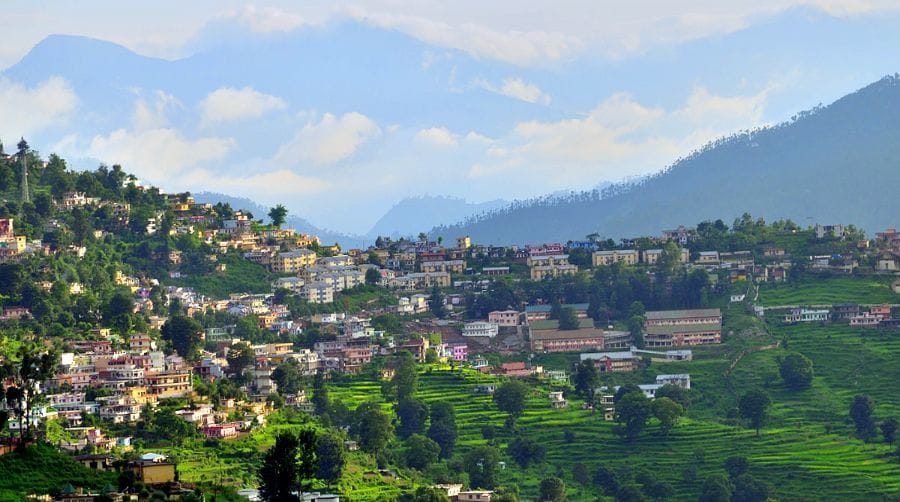
Dehradun: Uttarakhand is preparing a long-term urban development framework for 98 small and large cities, with master plans being designed around the needs of 2041 and 2045. The move aims to reduce the growing pressure on major cities such as Dehradun, Haldwani, Haridwar and Rudrapur by strengthening surrounding urban centres with housing, employment, business opportunities and civic infrastructure.
The initiative focuses on planned urban expansion rather than allowing population growth and construction to concentrate around a few major cities. The state’s Housing Department is working on the master plans with future population, land use, transport, drainage, disaster management and basic services in mind.
Planning 98 Cities for Future Growth
According to Housing Secretary Dr R. Rajesh Kumar, the master plans are being prepared in line with the Chief Minister’s vision and with a focus on future requirements.
The objective is to create a planned development structure across different urban centres. This could help prevent uncontrolled expansion while also ensuring that infrastructure is developed ahead of rising demand.
The planning exercise covers cities under different categories and clusters. Uttarakhand’s Urban Development Department also confirms that GIS-based master plans have been taken up through selected clusters, while AMRUT implementation in the state includes seven major cities.
Read Also: Uttarakhand Youth to Visit Haryana to Learn About Culture, Development and Local Practices
Dehradun’s Pressure Could Spread to Nearby Cities
One of the key objectives is to reduce the concentration of population and economic activity in Dehradun.
Under the proposed planning approach, cities such as Rishikesh, Doiwala and Vikasnagar can provide additional space for residential development as well as employment and commercial activities.
If jobs and essential services become available closer to these urban centres, people may have fewer reasons to travel to Dehradun every day for work or business. This could help address pressure on roads, traffic networks, housing and public infrastructure in the state capital.
The same approach is being considered around other major urban areas, including the Haldwani-Kathgodam, Haridwar-Roorkee and Udham Singh Nagar regions.
The objective is not simply to expand smaller cities but to develop them as better-connected urban centres with the infrastructure needed to support their future population.
AMRUT-1 Covers Seven Major Cities
The first category of master plans covers seven cities under AMRUT-1:
- Dehradun
- Haridwar
- Roorkee
- Rudrapur
- Kashipur
- Nainital
- Haldwani
These cities already have significant urban and economic activity and face different infrastructure and population pressures.
The Urban Development Department states that AMRUT has been implemented in these seven Uttarakhand cities, with urban infrastructure and basic civic services forming key areas of focus.
23 Cities Included Under AMRUT-2
The second group includes 23 cities under AMRUT-2. These include Kotdwar, Srinagar, Pauri, Jaspur, Nagla, Khatima, Kichha, Bajpur, Sitarganj, Gadarpur, Ramnagar, Manglaur, Laksar, Tanakpur, Gopeshwar, Rishikesh, Doiwala, Vikasnagar, Almora, Pithoragarh, Bageshwar, Uttarkashi and Tehri.
Together with the seven AMRUT-1 cities, these account for 30 master plans. The remaining plans are being prepared through seven clusters covering 65 urban local bodies.
This cluster-based approach is intended to help smaller and mid-sized urban bodies plan their growth according to local requirements while remaining connected to larger regional centres.
Housing, Jobs and Civic Facilities to Grow Together
The proposed master plans will identify residential areas according to projected population growth.
At the same time, areas for economic and commercial activities will be planned so that employment opportunities can develop alongside housing.
Road and transport networks will also be designed according to the links between different cities and towns. The broader objective is to ensure that people have access to essential services without every activity being concentrated in the biggest urban centres.
Planning for drainage, drinking water, roads and other civic facilities before population growth accelerates is another important part of the approach.
This could be particularly relevant for Uttarakhand, where unplanned construction and inadequate infrastructure can create additional challenges in densely developed urban areas.
GIS to Guide Land Use and Urban Expansion
A major feature of the planning exercise is the use of Geographic Information System (GIS)-based planning.
GIS will be used to identify and map land use, residential areas, road networks, drainage systems and construction activities. This can help authorities determine where development should take place instead of allowing cities to expand randomly.
The approach is also being extended to Category II and Category III urban local bodies, where GIS-based master plans are being prepared.
Uttarakhand’s official urban-development information confirms that GIS-based master planning is being pursued through multiple clusters, while Dehradun already has a Master Plan 2041 in the draft/proposal stage.
A Shift Towards More Balanced Urban Development
The 98-city planning exercise represents a broader attempt to distribute urban growth across Uttarakhand instead of allowing a few major cities to absorb most of the population, housing demand and economic activity.
For residents, the potential impact could extend beyond new construction. Better-planned housing, employment zones, transport links, drainage, drinking-water systems and other civic facilities could allow smaller cities to support more of the population and economic activity currently concentrated in larger urban centres.
With the plans looking towards 2041 and 2045, the emphasis is on preparing infrastructure and land-use frameworks before future growth puts additional pressure on existing cities.
The success of the approach will ultimately depend on how these master plans translate into actual infrastructure, employment opportunities and coordinated urban development on the ground.
Read Also: CM Dhami Meets Uttarakhand Diaspora in Delhi, Says Suggestions Will Inform State Policies