Jodhpur: The Indian Air Force (IAF) and Japan Air Self-Defense Force (JASDF) have concluded their bilateral air exercise Veer Guardian 2026 at Air Force Station Jodhpur, marking another step in operational cooperation between the two air forces.
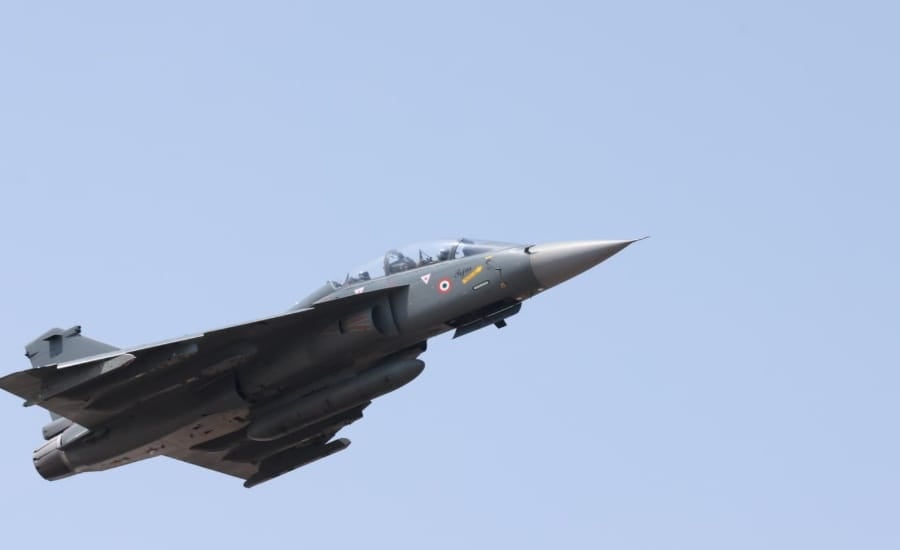
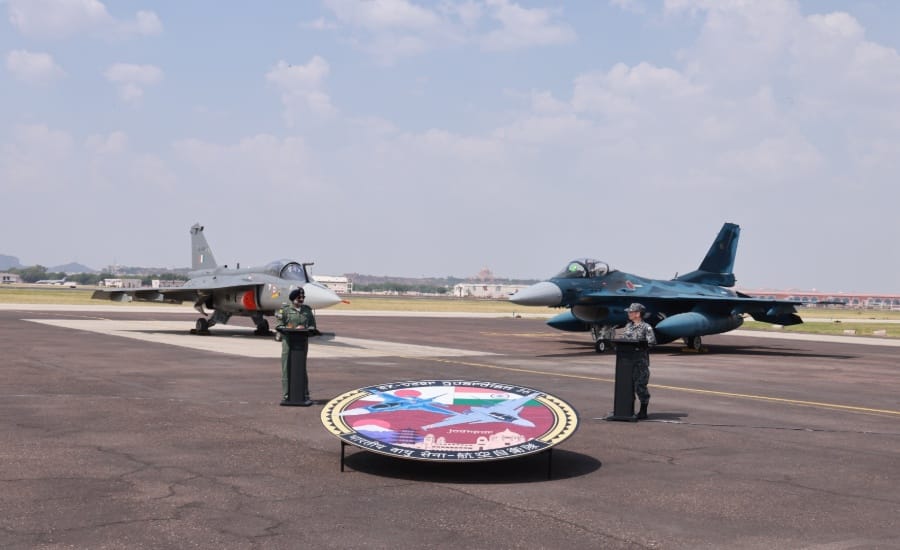
The 14-day exercise brought together Indian and Japanese fighter aircraft for advanced flying missions, including within-visual-range combat and coordinated multi-aircraft operations. The IAF participated with Su-30 MKI, Rafale and indigenous Light Combat Aircraft (LCA) Tejas, while the JASDF fielded its F-2A fighter aircraft.
The exercise concluded on September 22 after providing both sides with opportunities to train together, exchange operational knowledge and understand each other’s procedures and capabilities.
IAF and JASDF Train Together in Advanced Air Missions
Veer Guardian 2026 focused on joint training involving a range of advanced flying activities. The participating air warriors carried out missions designed to improve coordination between the two air forces during complex operational situations.
The exercise included within-visual-range combat and coordinated multi-aircraft missions, giving personnel from both countries an opportunity to operate together and understand different approaches to air operations.
The Indian contingent brought a mix of frontline aircraft, including the Su-30 MKI and Rafale, along with the indigenous Tejas. Japan participated with its F-2A fighter aircraft.
The combination of aircraft from the two air forces provided a platform for joint training and operational interaction.
Read Also: Meet The Indigenous Drone That Can Destroy Karachi In a Single Shot
Tejas Takes Centre Stage During Distinguished Visitor’s Day
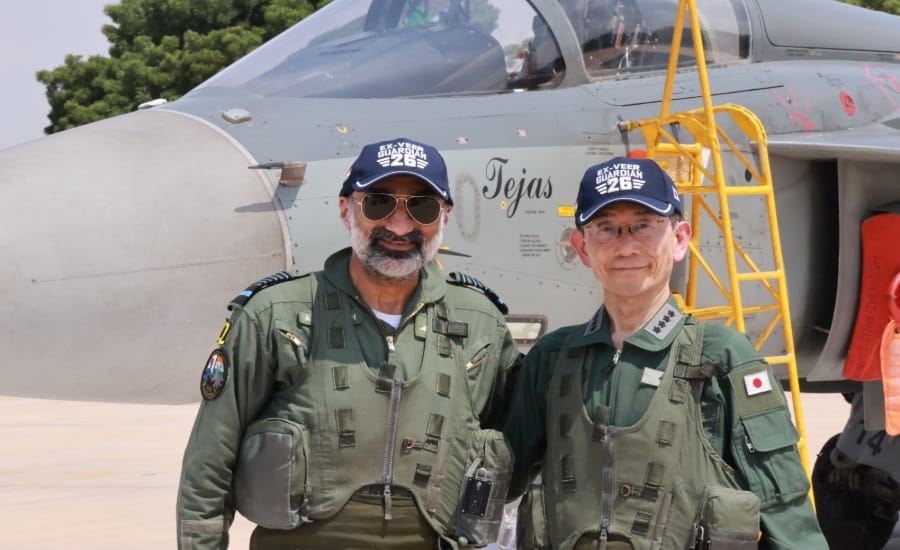
A notable moment during the exercise came on Distinguished Visitor’s Day, when General Takehiro Morita, Chief of Staff of the JASDF, and Air Chief Marshal AP Singh, Chief of the Air Staff, visited Air Force Station Jodhpur.
The two air chiefs also flew the indigenous Tejas fighter aircraft, highlighting the operational interaction and professional engagement between the participating air forces.
The Tejas has been an important part of the IAF’s participation in the exercise, alongside the Su-30 MKI and Rafale.
Ground-Level Exchanges Strengthen Operational Understanding
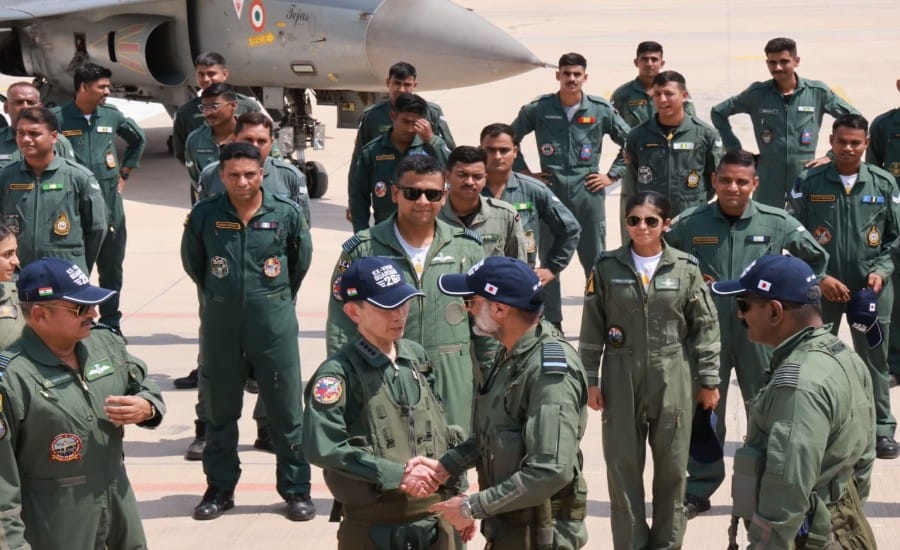
The exercise was not limited to flying missions. It also involved extensive interaction between IAF and JASDF personnel on various operational and technical aspects.
These engagements included:
- Subject Matter Expert Exchanges
- Operational discussions and mission planning conferences
- Engineering interactions
- Maintenance practices
- Aerospace safety briefings
Through these interactions, personnel from both sides discussed their respective practices and experiences. The exchanges were aimed at improving understanding of each other’s operating methods and learning from the capabilities and experience of the participating air forces.
Such professional interactions form an important part of bilateral military exercises, as they allow personnel to build familiarity beyond individual flying missions.
Exercise Builds on India-Japan Defence Cooperation
Veer Guardian is part of the wider defence engagement between India and Japan. The 2026 edition provided an opportunity for the two air forces to work together in a structured operational environment.
The exercise also follows earlier editions of Veer Guardian, which have provided the IAF and JASDF with opportunities to improve mutual understanding and conduct joint training.
For the 2026 exercise, the participation of Japanese F-2A fighters alongside Indian Su-30 MKI, Rafale and Tejas aircraft added a diverse mix of platforms to the training environment.
The exercise therefore combined flying operations with mission planning, technical discussions, maintenance interactions and aerospace safety exchanges.
A Platform for Greater Air Force Interoperability
The Ministry of Defence said the exercise served as a platform for enhancing interoperability between the two air forces and strengthening their strategic partnership.
Interoperability is important in joint military exercises because it helps participating forces understand how their personnel, procedures and operational practices can work together.
By combining flying missions with professional exchanges on the ground, Veer Guardian 2026 provided both IAF and JASDF personnel with exposure to each other’s methods and capabilities.
The conclusion of the exercise in Jodhpur marks the end of the 14-day bilateral engagement, while the operational and professional experience gained during the exercise adds to the continuing defence cooperation between India and Japan.
Read Also: India Set To Manufacture Advanced GE F414 Fighter Engines After Key Breakthrough