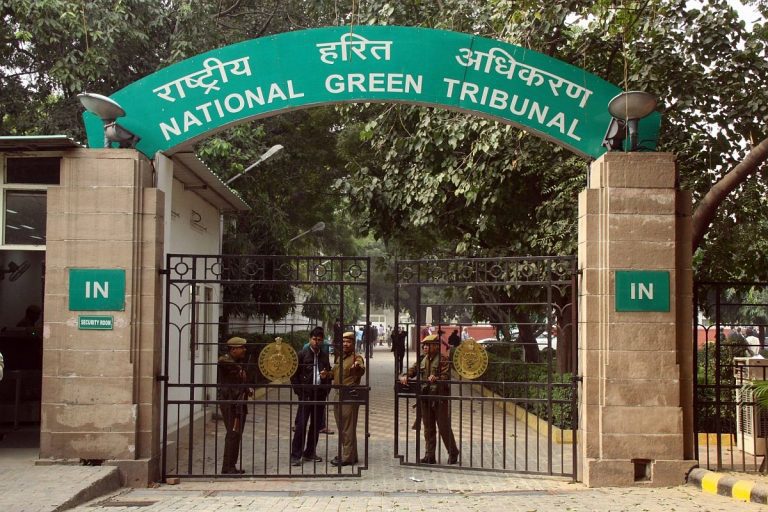
New Delhi: The National Green Tribunal (NGT) has directed the Jammu and Kashmir Pollution Control Committee (J&KPCC) to submit a fresh report on Kashmir wetlands, highlighting missing information about their actual existing area. The Tribunal wants authorities to compare the land recorded in government records with the area currently available on the ground.
The direction comes amid growing concerns over shrinking lakes, disappearing wetlands and water pollution in Jammu and Kashmir. The updated report is expected to provide a clearer picture of the condition of these important water bodies.
Why Has The NGT Asked For A Fresh Report On Kashmir Wetlands
The National Green Tribunal found important gaps in a report submitted by the J&KPCC on October 1, 2026.
Read also: Supreme Court Wetland Definition Case: Why 44 Sites May Lose Protection
The committee had provided information about the recorded revenue area of identified wetlands. However, it did not clearly explain how much wetland area actually exists today.
Revenue area refers to the land recorded in official government records. Existing area means the actual area of the wetland currently present on the ground.
The NGT has directed the pollution control committee to collect the missing information and prepare a comparative statement showing both figures for every identified wetland.
This information will help authorities understand whether wetlands have lost land over time and identify areas that may require urgent protection.
NGT Identifies 27 Wetlands In Jammu And Kashmir
According to the report submitted before the Tribunal, the J&KPCC identified 27 wetlands measuring more than one hectare and located outside forest areas. However, the information was not complete because details from some districts were still pending.
The Deputy Commissioners of Jammu and Kupwara had not provided all the required information about the wetlands in their respective districts.
The Member Secretary of the J&KPCC informed the Tribunal that an updated report would be submitted after receiving the remaining details.
The committee must now include the actual existing area of each wetland along with its recorded revenue area.
Water Pollution Raises Concerns Over Kashmir Wetlands
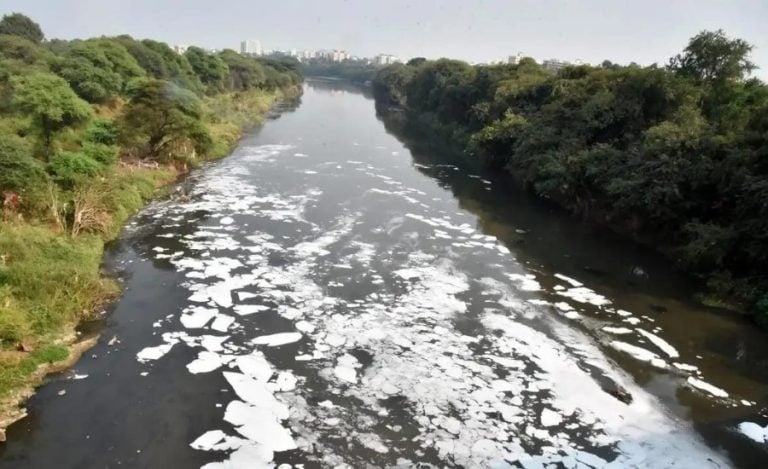
Apart from missing information about wetland areas, the report also highlighted serious concerns about water quality in several wetlands across Jammu and Kashmir.
Water samples collected from different locations showed that many wetlands failed to meet the Class B primary water quality criteria for organised outdoor bathing.
The findings indicate that water pollution is another major challenge for wetland conservation in the region.
1. Jammu Wetlands
In Jammu, none of the three water samples tested met the required Class B water quality standards for outdoor bathing.
This raises concerns about the condition of water bodies and the possible presence of pollution.
2. Samba Wetlands
The situation in Samba also showed water quality problems.
Out of nine samples tested, only two met the prescribed Class B standards. The report also identified domestic wastewater as a source of pollution in the Mawa Sar wetland.
3. Kathua Wetland
The water sample collected from Kathua met the prescribed Class B water quality standards. This was a positive finding compared with the results from several other districts.
4. Kupwara Wetlands
In Kupwara, four out of six tested wetlands failed to meet the required Class B water quality standards.
The main concern was high Biochemical Oxygen Demand (BOD), which indicates the amount of oxygen needed by microorganisms to break down organic matter in water.
High BOD levels can reduce the oxygen available for aquatic life and indicate organic pollution.
5. Baramulla Wetland
The Rakh-i-Daslipora wetland in Baramulla also failed to meet the prescribed standards for Biochemical Oxygen Demand and dissolved oxygen.
The report further stated that the wetland was not found to exist at the identified location during the assessment. The land in the area was reportedly being used for paddy cultivation.
What Is Class B Water Quality And Why Does It Matter
Class B is a water quality category used for organised outdoor bathing under India’s primary water quality criteria.
It helps authorities assess whether water is suitable for this particular use. The prescribed standards include:
- Dissolved Oxygen (DO): At least 5 mg/L.
- Biochemical Oxygen Demand (BOD): 3 mg/L or less.
- pH level: Between 6.5 and 8.5.
- Faecal Coliform: 500 MPN/100 ml as the desirable limit.
When water fails to meet these standards, it indicates that the water body may require pollution control and environmental improvement measures. However, failing the Class B criteria does not automatically mean that water is unsuitable for every possible use. Different uses have different water quality requirements.
NGT Seeks Action Against Wetland Pollution
The J&KPCC has also sought information about individuals, agencies and government departments responsible for environmental violations in wetlands.
The purpose is to identify those responsible for pollution and take appropriate corrective, remedial and punitive action.
Identifying pollution sources is an important step towards improving water quality.
The authorities will need to examine the causes of pollution and take suitable measures to prevent further environmental damage.
When Will The NGT Hear The Kashmir Wetlands Case Again
The National Green Tribunal, headed by Chairperson Justice Prakash Shrivastava and accompanied by Expert Members A. Senthil Vel and Afroz Ahmad, directed the J&KPCC to submit its fresh report.
The committee must file the updated report at least one day before the next hearing.
The matter has been scheduled for February 26, 2027. The upcoming hearing will be important because the Tribunal will have an opportunity to examine the missing wetland-area information and the updated findings from the concerned districts.