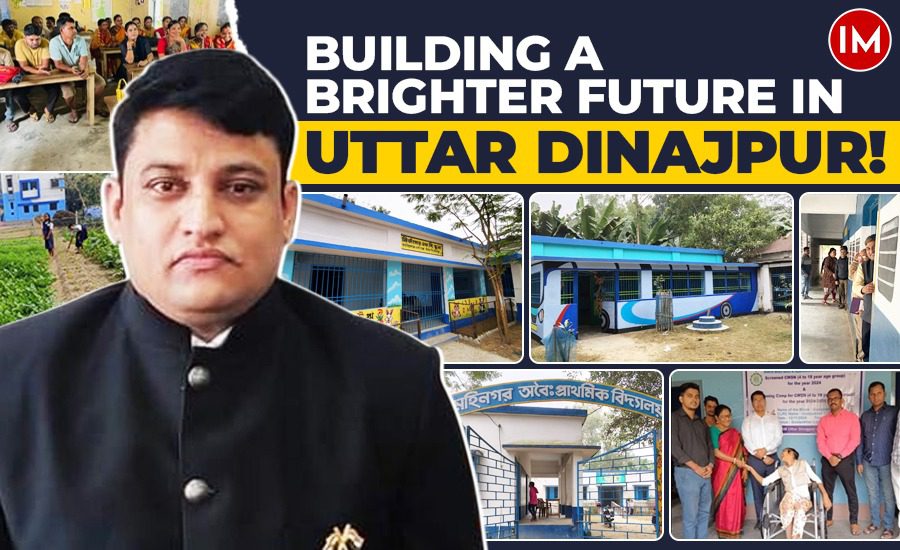
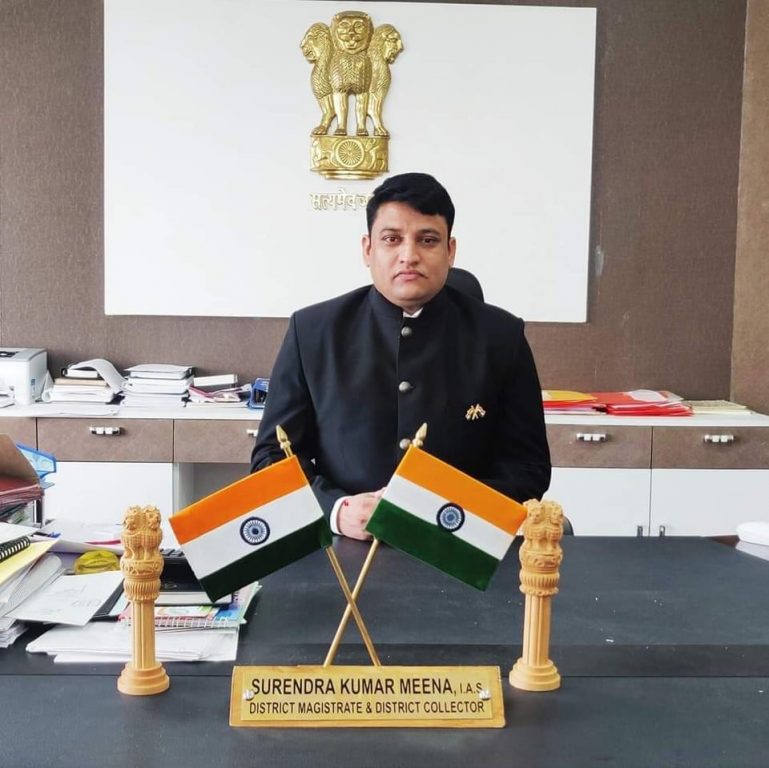
‘When you’re determined, anything is possible. A single individual can spark monumental change, no matter how many obstacles lie ahead.’ In the district of Uttar Dinajpur, West Bengal, which has the lowest literacy rates in the state (59.1% according to the 2011 Census), one man decided to make a difference. Mr. Surendra Kumar Meena, an IAS officer from the 2011 batch, took it upon himself to launch a comprehensive campaign aimed at transforming education in the district.
The results of his efforts were swift and impactful, fundamentally changing the educational landscape of the area. His initiative has not only improved the district’s literacy rate but has also earned him numerous awards in governance.
Mr Meena’s holistic approach focused on improving school attendance, upgrading infrastructure, enhancing teaching methods, and creating interactive classrooms. His aim was to provide equitable opportunities for students, empowering them to pursue their dreams and build a brighter future.
Indian Masterminds spoke with Mr. Meena, the District Collector and Magistrate of Uttar Dinajpur, WB, to learn more about his visionary efforts and how they are reshaping the future of education in the region.
GYANALAY INITIATIVE
Launched last year, the initiative aimed to boost literacy by focusing on primary education. Mr. Meena envisioned transforming every primary school into a model school with engaging learning, modern infrastructure, and equal access to quality education for all children.
The district, once struggling with inadequate educational infrastructure, was now on the brink of something extraordinary. 100 model schools had transformed the educational landscape, setting a shining example of what can be achieved with vision, dedication, and community support.
Mr Meena said, “The literacy rate in this district is very low, and there are many factors contributing to this. That’s why we launched this initiative – to transform the entire educational ecosystem. Our focus has been on everything, from improving infrastructure to ensuring quality education.”
LEARNING ENVIRONMENT
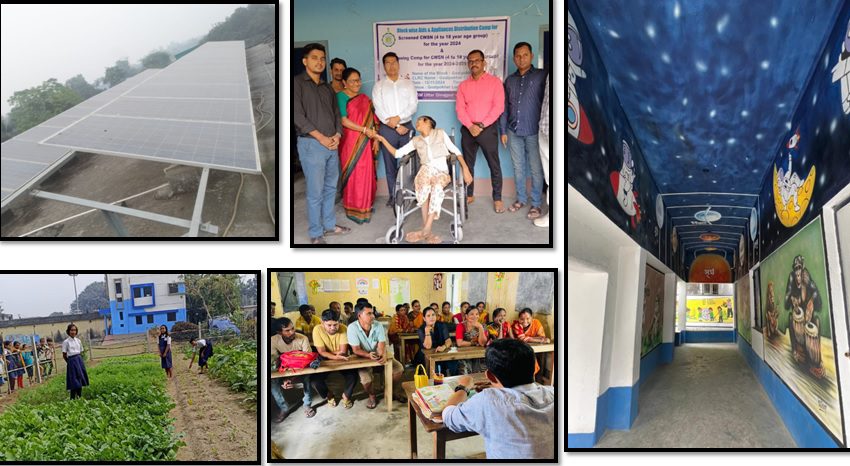
The first step was upgrading the existing schools. The Gyanalay initiative focused on modernizing the infrastructure, ensuring that each Gram Panchayat had at least one school equipped with state-of-the-art facilities. Each transformed school featured 75-inch interactive smart boards, internet-enabled classrooms, libraries with curated books, and innovative teaching aids designed to make learning exciting.
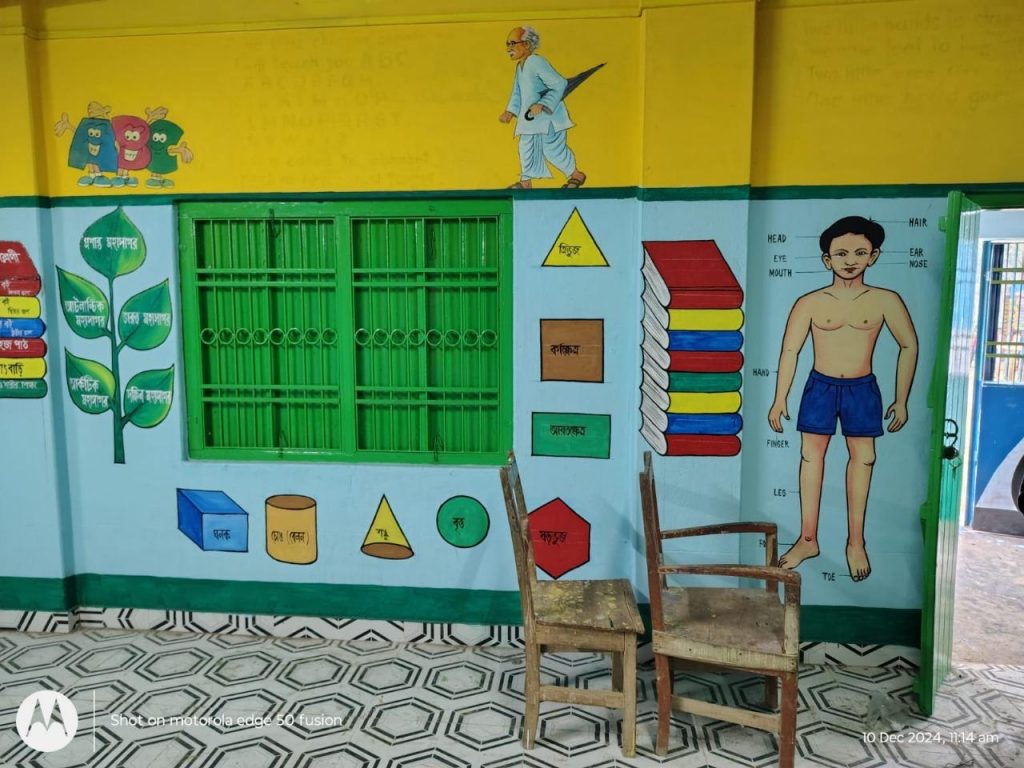
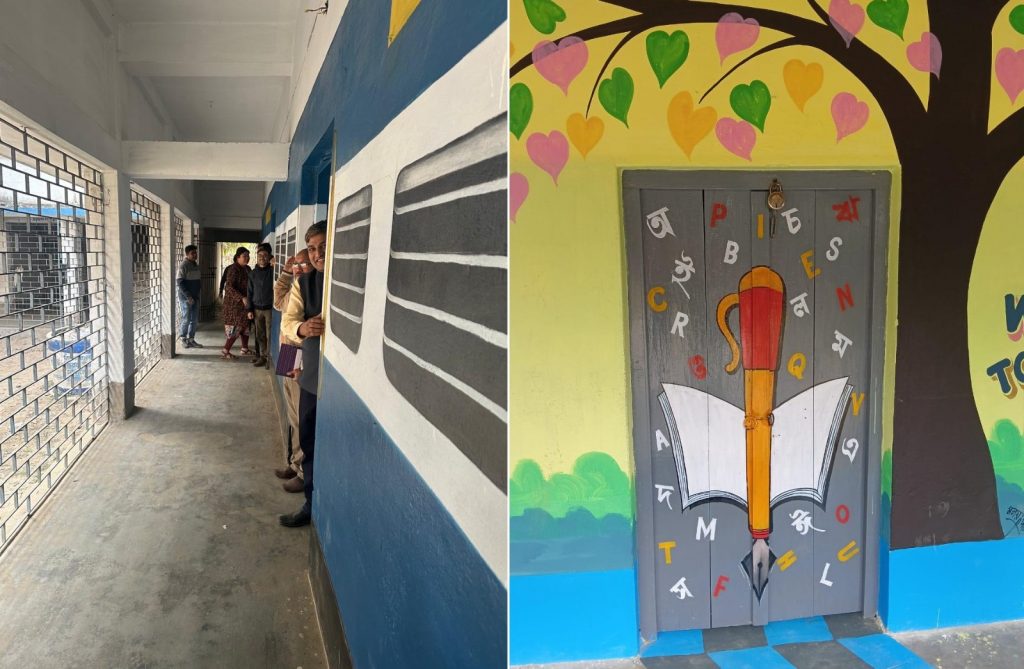
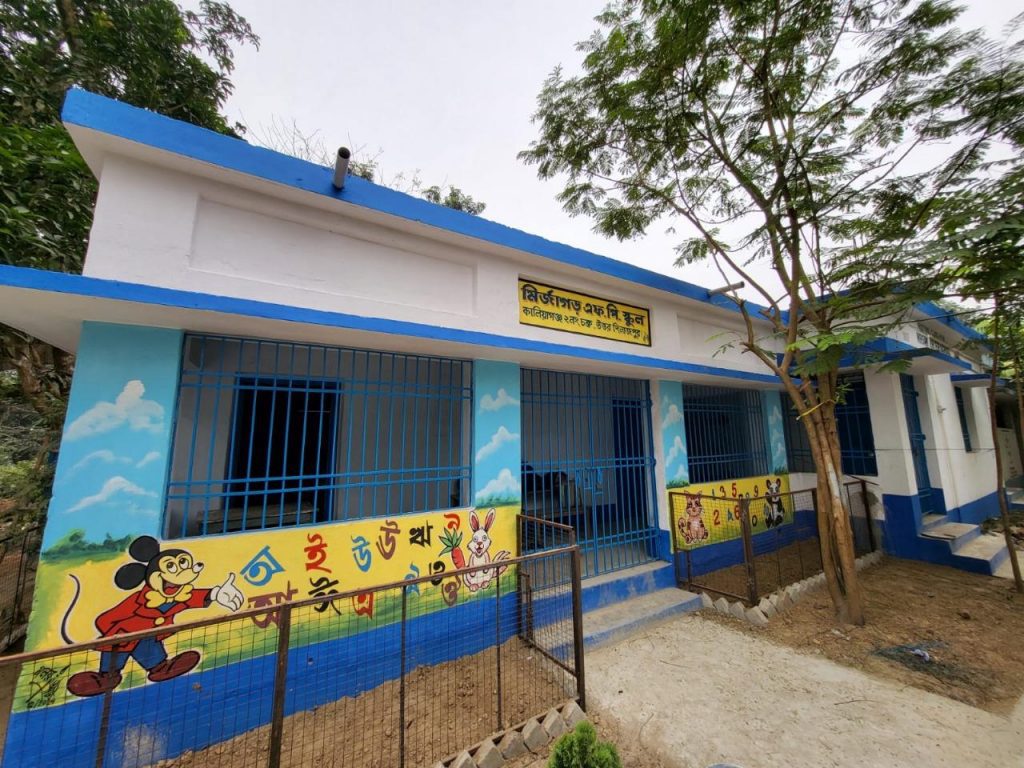
But it didn’t stop at just modernizing classrooms. The aim was to create a vibrant, all-encompassing learning environment. The walls of these schools were adorned with colorful educational paintings, turning every corridor and classroom into a visual learning experience. Outside, the schools boasted kitchen gardens, medicinal plant gardens, and extensive plantations, where students could learn about sustainable agriculture, health, and the importance of nature.
For the children’s well-being, the schools were equipped with hygienic toilets, clean drinking water, and fresh, open spaces for play. It was a holistic approach, one that not only emphasized academics but also the physical and mental health of the students. The entire community rallied behind this initiative – parents, teachers, local residents, and government officials all played a part. Together, they were creating an ecosystem where education was no longer a task but a joyful journey.

CHANGING LIVES
The transformation had a ripple effect. The initiative wasn’t just about improving infrastructure; it was about changing lives. With better education came better opportunities. Local children, who once saw little beyond the borders of their villages, now dreamt bigger. They could access modern educational tools, engage in lively discussions with their peers, and think critically, thanks to the introduction of interactive learning.
But the impact went beyond the classroom. The initiative fostered a sense of community involvement and responsibility. Local elders and parents became more active in school activities, attending regular parent-teacher meetings, supporting the school’s vision, and even helping in the creation of kitchen and medicinal gardens. Local self-government bodies and NGOs also played a pivotal role in ensuring the initiative’s success, helping with funds, logistics, and moral support.
HOLISTIC APPROACH
The Gyanalay schools didn’t just focus on academics. They promoted social skills, teamwork, and problem-solving. Students participated in Scouts, NCC, and NSS groups, taking on leadership roles and learning to work together for a common cause. Play was an integral part of the learning process, with improved playgrounds and joy games helping to build teamwork, sportsmanship, and physical health.
For students with special needs, the initiative made sure that no one was left behind. Camps were held to identify and support children who were at risk of dropping out, and necessary aids and appliances were distributed to children with special needs (CWSN).
District officials ensured that each school tracked its students, ensuring that attendance remained high, and no child was deprived of an education. Even hostels were set up for needy students, making sure that those from distant villages had a safe place to stay while pursuing their studies.
Mr Meena said, “This initiative stands as a significant achievement of our commitment to bringing about tangible outcomes in joyful learning through infrastructure development, the installation of interactive smart boards, and the use of innovative teaching-learning materials (TLMs), among other efforts.”
USING TECHNOLOGY
The use of technology was another key feature of the initiative. The schools were equipped with interactive boards for e-learning, and teachers were trained in modern pedagogical techniques, ensuring they could engage students effectively in the digital age. The introduction of an online attendance system and teacher diaries streamlined administrative tasks, allowing educators to focus more on what mattered most – teaching and learning.
As part of the Gyanalay initiative, rooftop solar plants have been installed in schools across Uttar Dinajpur to reduce electricity bills and promote the use of non-conventional energy. This sustainable approach not only lowers operational costs but also educates students about renewable energy, fostering an understanding of environmentally friendly practices.
RESULT
As the Gyanalay initiative gained momentum, the results were clear. Academic performance improved, but the most significant change was a shift in mindset. Children were no longer just learning to pass exams – they were learning to think critically, question the world around them, and engage deeply with their studies. This transformation was accompanied by a remarkable increase in school attendance as well.
Mr Meena said, “We plan to extend this initiative to all primary schools soon. The program’s success, thanks to the efforts of officials, staff, teachers, and parents, has made North Dinajpur a benchmark in educational innovation.”
NATIONAL ATTENTION
The Gyanalay initiative quickly garnered national attention. It became a model for other districts to follow, proving that when the community comes together to support education, transformative change is possible.
“By creating joyful learning spaces, we are not just educating children; we are shaping the future of our district,” said Surendra Kumar Meena. “Our journey doesn’t end here. We will continue expanding this initiative, ensuring that every child in our district has access to a world-class education.”
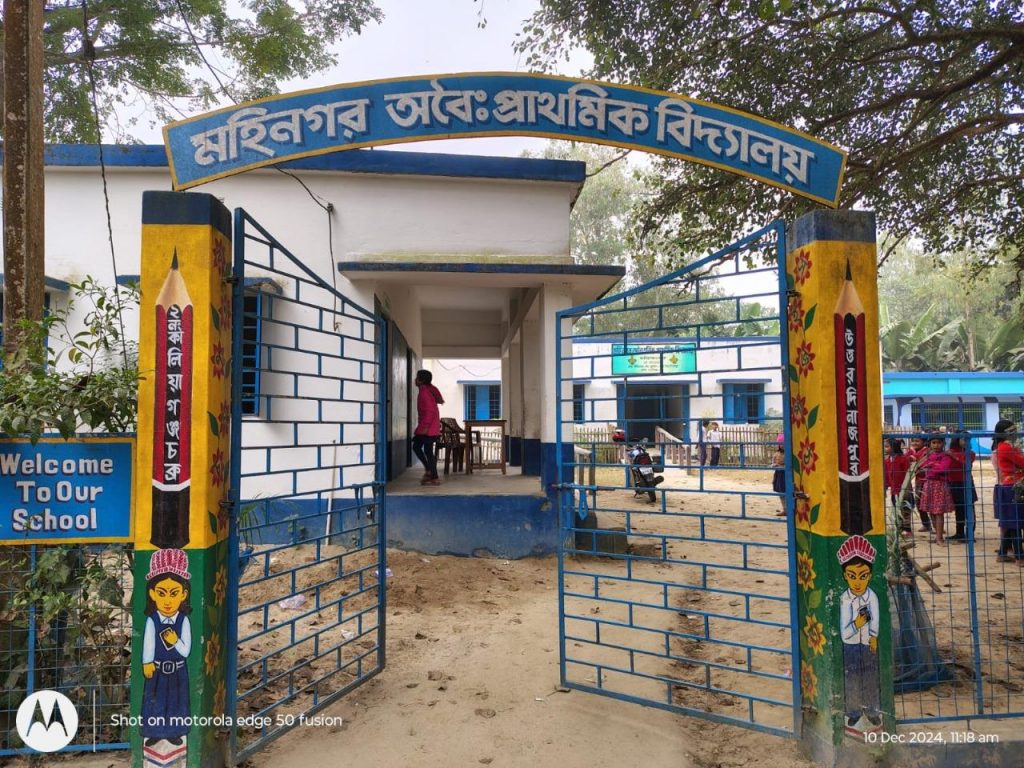
And as the children of Uttar Dinajpur returned to their revamped schools each day, they were not just students – they were the torchbearers of a new educational revolution, one that promised brighter futures for generations to come.