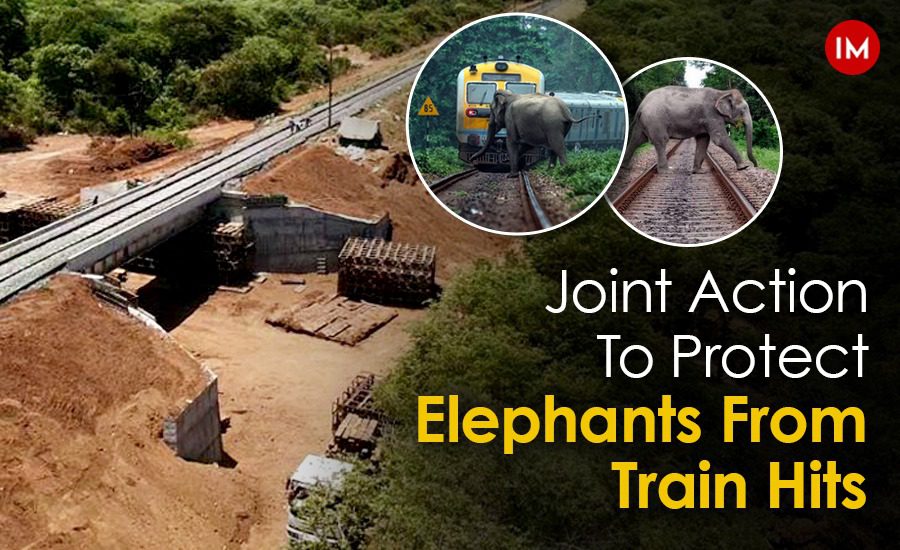
Just as Indian Railways is one of the largest rail networks in the world, India is also home to the largest number of Asiatic Elephants, accounting for nearly 60% of the jumbo population.
Recognized as economic, energy-efficient, and environment-friendly, the expansion and upgrading of railways is seen as an important measure in supporting the country’s development through large-scale movement of people and goods.
However, railway construction and operation have their ecological effects, too. Several of India’s passenger and freight trains criss-cross through some of the country’s most sensitive wildlife habitats, particularly protected areas and corridors in central and eastern India that are home to critically endangered tigers and elephants, amongst other animals.
And, the sad reality is that elephant-train collisions have become increasingly frequent in recent years, causing harm to both elephant and human lives. Hence, the Ministry of Environment, Forest & Climate Change (MoEFCC) and the Ministry of Railways (MoR) have joined hands for a collaborative approach to tackle this problem.
JOINT ACTION PLAN
As the first step, 1800 km of stretch was identified as sensitive for collisions of trains with elephants.
Speaking to Indian Masterminds, Secretary, MoEFCC, Ms. Leena Nandan, IAS, said, “Our Ministry, in collaboration with Ministry of Railways, state forest departments and WII, is consistently working on identifying the sensitive railway stretches so that both innovative mitigation measures coupled with technological intervention, such as Intrusion Detection System (IDS) tried in North Frontier Railways, can be applied for avoiding train collisions with elephants. For this, a portal at WII has also been started to keep a tab on progress of the works.”
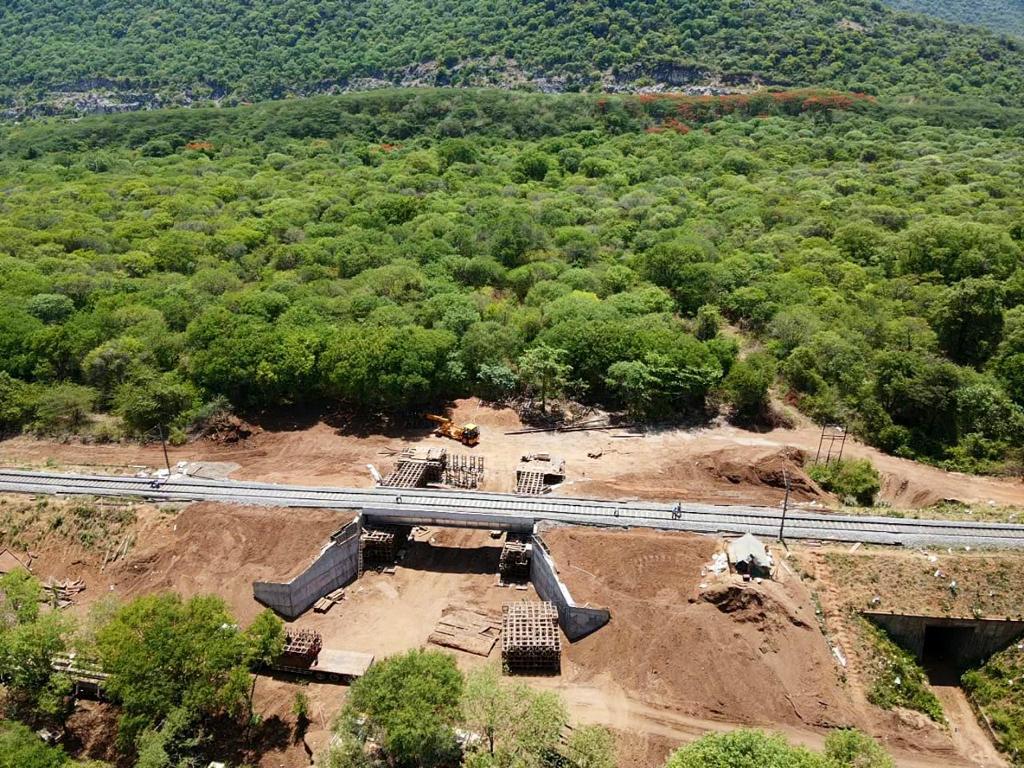
These measures have already started showing positive signs as there have been instances of elephants using ramps, underpasses and overpasses built specially for them, and railway staff stopping trains to allow herds to pass.

DEATH ON RAILWAY TRACKS
Indian Railways is considered the main artery of inland transportation, and to cater to the country’s fast-growing economy, it has envisaged several expansion and upgradation projects, including Vision 2024 to achieve targets of 2024 MT freight loading by the year 2024, and electrification of the entire network in 2023.
However, railway construction and operation cause a range of impacts on wildlife and habitats. In the last 10 years, 186 elephants were killed on railway tracks between 2009-2010 and 2011-2021. Among states, Assam had the highest number of elephant deaths due to train hits with 62 deaths, followed by West Bengal at 57 and Odisha at 27.
When contacted by Indian Masterminds, Principal Executive Director, Gati Shakti, Railway Board, Mr. Anil Kumar Khandelwal, IRSE, said, “MoR has planned site-specific mitigation measures to save our wildlife, especially our elephant friends. Already, Intrusion Detection System (IDS) for protection of wildlife is being provided at all jointly identified locations of wildlife movements.”
EVEN 1 DEATH DISRUPTS HERD DYNAMICS
Over the past five years, India has lost 494 elephants to train accidents, electrocution, poaching, and poisoning. And train accidents accounted for 80 of these deaths.
While 494 deaths over five years appears to be a fraction of the country’s estimated population of nearly 30,000 wild elephants, such deaths could disrupt herd dynamics and further enhance the risk of human-elephant conflicts.
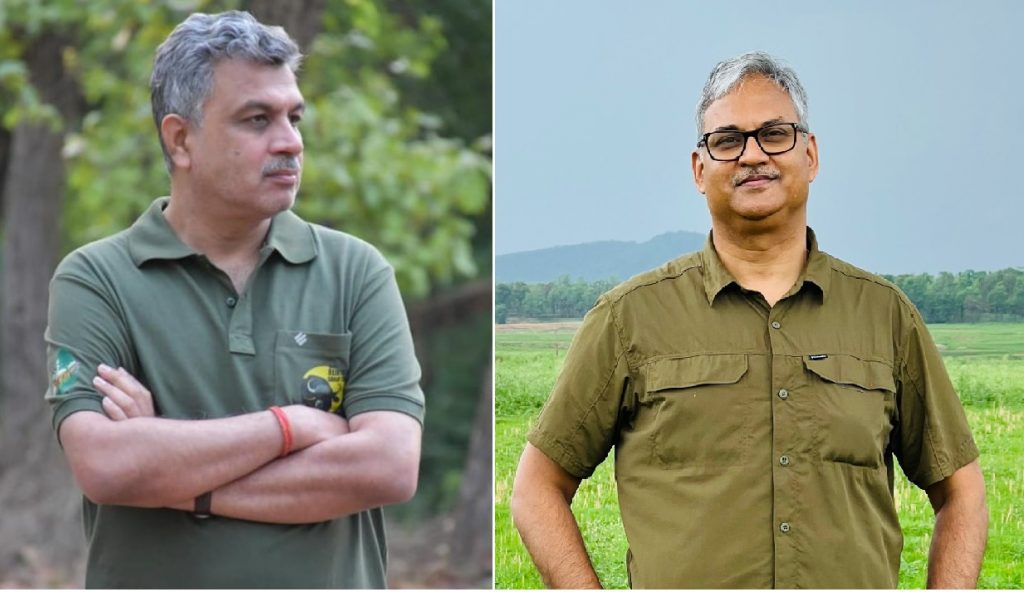
Emphasizing the need for minimizing the adverse effects of railways on local fauna, Director of Wildlife Institute of India (WWI), Mr. Virendra Tiwari, IFS, told Indian Masterminds, “It is crucial to adopt measures that make railway tracks more animal-friendly. By incorporating mitigation strategies, we can create railway tracks that coexist harmoniously with the natural environment, reducing the negative impact on wildlife while maintaining efficient transportation systems. WII is working in close coordination with MoR and MoEFCC to develop strategies for wildlife friendly railways across all sensitive wildlife habitats in India”.
SENSITIVE SPOTS IDENTIFIED
The loss of a single older elephant in a herd is loss of experience for the others in the herd. The older members in the herds guide the younger ones. In their absence, the younger ones could stray into human-dominated landscapes, increasing human-elephant conflict.
Hence, to avoid such tragic deaths, MoEFCC and MoR have come together to work on a joint plan.
Giving details of this move, Inspector General of Forest and Director of Project Tiger & Elephant, Mr. Ramesh Pandey, told Indian Masterminds: “Two minister-level meetings in this regard were organised. And, 1800 km of stretches were identified as sensitive by Project Elephant and WII. Out of that, 110 sensitive spots were identified, where joint surveys are being conducted by Railways and state forest departments for taking mitigation measures and doing retrofitting. Moreover, Railways is also in the process of taking IDS to other parts of the country, as it has shown encouraging results in North Frontier Railway in West Bengal and Assam.”
PORTAL LAUNCHED
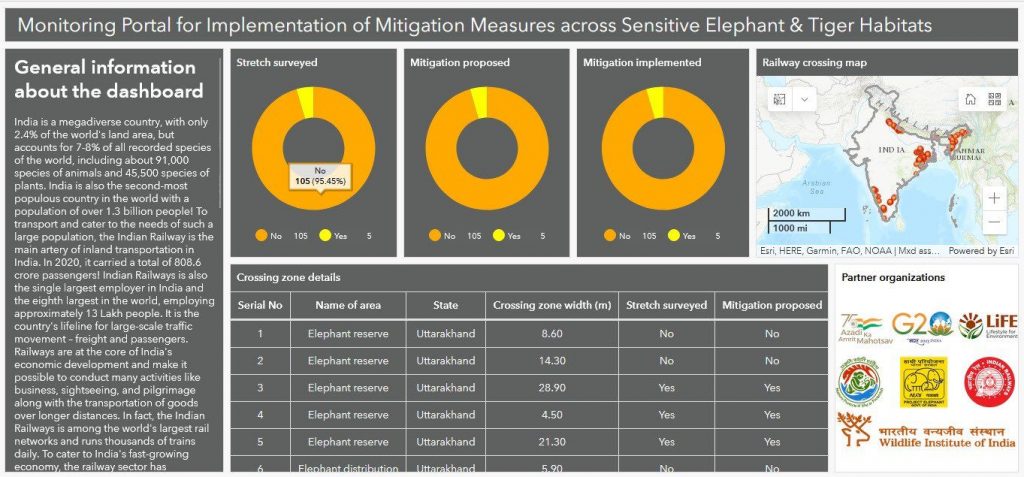
At the same time, a portal was launched for monitoring implementation of mitigation measures across the sensitive zones. This portal will help in minimising wildlife mortalities and reduce barrier effects across railway tracks passing through the sensitive habitats.
Mr. Pandey said, “The portal was made in WII and was inaugurated by Hon’ble Minister Bhupender Yadav. Besides this, Railways have also been working on making over-pass in the Deepor Beel area of Assam, like the Pench-Kanha corridors. Work on mitigation measures and underpasses in Haridwar-Dehradun and Ettimadai-Walayar sections are already underway. WII, along with Railways, is also working on use of technologies for preventing human-elephant conflicts and train collisions. The latest elephant corridors report will further help in developing linear infrastructures with appropriate mitigation measures.”
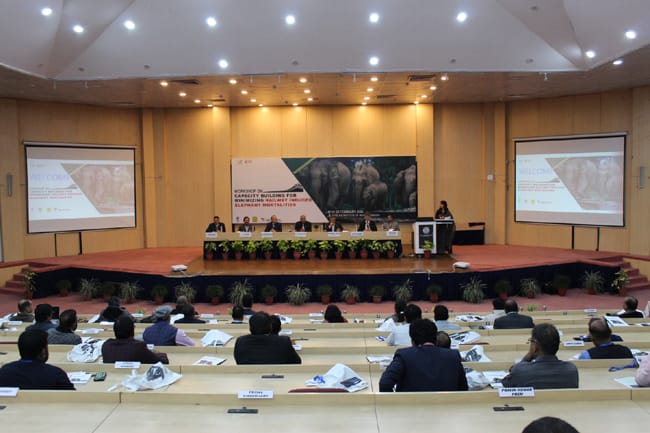
CAPACITY BUILDING FOR RAIL OFFICIALS
It was also felt by both the departments that to reduce the impact of railways on wildlife, it is important to build the capacity of the railway sector by sensitizing railway officials towards India’s rich biodiversity and the various mitigation options available to avoid human-wildlife conflicts and accidents.
Hence, the Project Elephant Division of MoEF&CC and Elephant Cell, and WII organized a 3-day capacity-building workshop on ‘Minimizing Elephant Mortalities on Railway Tracks’ for officials of Indian Railways.
As the chief guest, Mr. S.P. Yadav, ADG Project Tiger & Elephant and Member Secretary NTCA, emphasized the importance of striking a balance between conservation and development for the country’s sustainable growth. He also highlighted how it has been challenging to give straightforward and clear recommendations for mitigating railway-wildlife accidents until now, due to the lack of capacity building for the railway sector.
Forty one officials from various railway departments and training institutes participated in this capacity-building workshop.