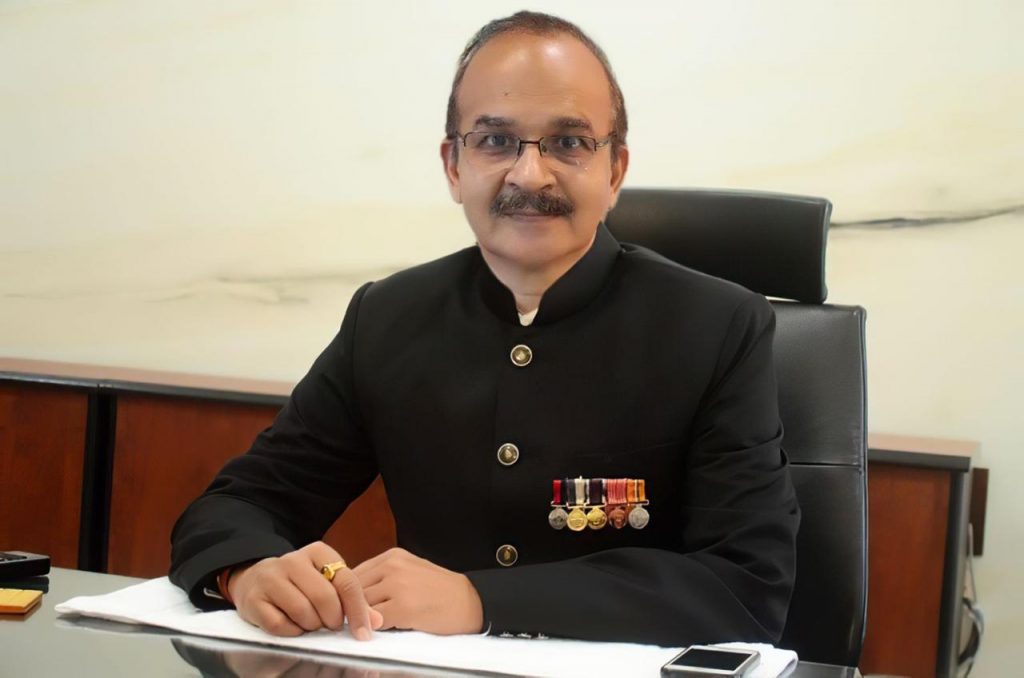
April 21, celebrated every year as Civil Services Day, is more than just a customary commemoration, awards, and congratulatory messages. It is a reminder to over five million government employees—serving in the central and state civil services—that governance is not merely administration but a moral duty and a constitutional calling. As someone who served over three decades in the Indian Police Service (IPS), I reflect on how far we’ve come and where we must head.
Colonial Roots and the Birth of the “Steel Frame”: The civil services in India were born in the image of the British Raj. The Imperial Civil Service and Imperial Police were tools of colonial governance, designed to uphold the Crown’s dominion over a vast and diverse population. Their role was not to serve the people but to manage them firmly and efficiently.
Post-Independence: India faced the enormous task of reconstructing these services as instruments of democratic governance. Sardar Vallabhbhai Patel, the Iron Man of India, saw the value in retaining an apolitical, merit-based bureaucracy. He called it the “steel frame” that would hold the new nation together. His vision laid the foundation for the Indian Administrative Service (IAS) and Indian Police Service (IPS)—continuing the legacy but repurposed to serve the people.
Evolution Through Decades: From Five-Year Plans to Digital India Over the decades, civil services have expanded and adapted to India’s evolving needs:
- 1950s–60s: Civil servants became architects of planned development, driving land reforms, rural upliftment, and the public distribution system.
- 1970s–80s: The Green Revolution and White Revolution changed the agricultural landscape, led by visionaries like M.S. Swaminathan and Dr. Verghese Kurien. Officers like M.N. Buch pioneered modern urban planning in cities like Bhopal.
- 1990s: Economic liberalization underlined the need for regulatory agility. Bureaucrats had to evolve from command-and-control managers to facilitators of private enterprise.
- 2000s–Present: With RTI, Digital India, DBT, Swachh Bharat, and Gati Shakti, governance is increasingly data-driven, transparent, and citizen-centric.
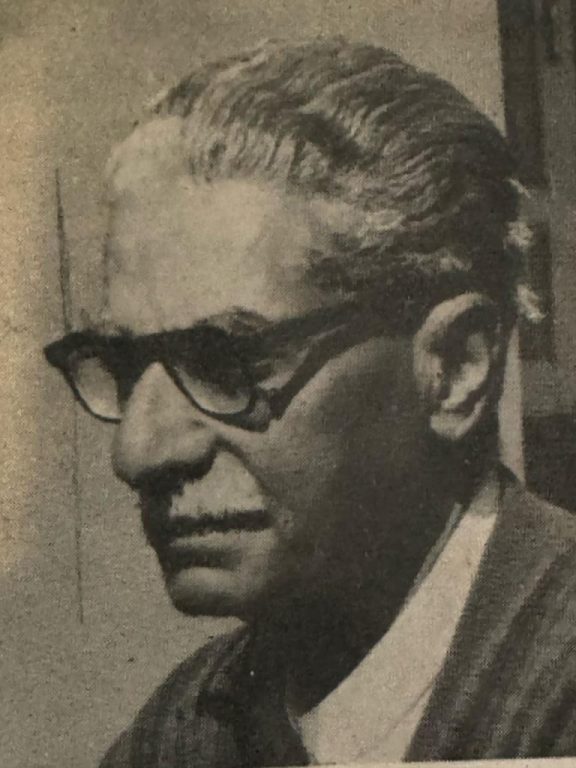
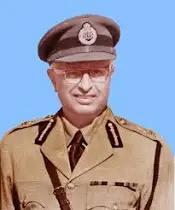
The ecosystem expanded with the inclusion of services such as the IFS (diplomacy), IFoS (environment), IRS (tax), and others, each playing a critical role in nation-building. Notably, Madhya Pradesh cadre officers like K.F. Rustamji (founder of BSF), M.N. Buch (urban visionary), and R.C.V.P. Noronha (civil servant par excellence) quietly shaped institutions that endure to this day.
Modern-Day Challenges for Indian Civil Servants: As India rises on the global stage and aims to be a $5 trillion economy, the role of civil servants is becoming increasingly complex. Today’s officers must navigate a web of new-age challenges that demand not only administrative acumen but also agility, empathy, and innovation. These challenges cut across national security, governance, diplomacy, sustainability, and citizen trust.
- Internal Security, Cross-Border Terrorism and Law Enforcement: India’s internal security faces continuous strain from cybercrime, terrorism, naxalism, communal polarisation, and emerging threats like deepfakes. This demands a tech-savvy, intelligence-led, and community-sensitive police force, skilled in crisis communication and collaborative strategies. National Security Advisor Ajit Doval exemplifies strategic depth and integrated, intelligence-based frameworks.
- Diplomacy and Global Standing: With India asserting its global role—G20 Presidency, leadership in the Global South, climate advocacy—IFS officers must move beyond traditional diplomacy to master geo-economics, cultural diplomacy, and strategic communication. The legacy of Brajesh Mishra and K.R. Narayanan underlines the value of foresight and composure in foreign policy.
- Electoral Integrity and Democratic Institutions: Free and fair elections are central to Indian democracy but face threats from money power and misinformation. T.N. Seshan’s tenure as Chief Election Commissioner redefined electoral discipline. Today’s civil servants must uphold this legacy through reform, impartiality, and unwavering commitment to constitutional values.
- Data-Driven and Digital Governance: Governance today relies on big data, AI, and citizen-centric digital platforms like Digi-Locker, DBT, and Gati Shakti. Civil servants must be digitally fluent, using analytics to assess policies and ensure efficient delivery, with adaptability becoming as critical as experience.
- Environmental and Climate Governance: India’s climate vulnerability and industrial aspirations demand officers who can integrate climate resilience, ESG norms, and disaster risk reduction into development. Issues like forest rights, mining, and infrastructure require balancing environment and livelihoods.
- Public Trust and Institutional Credibility: In an era of social media scrutiny and politicisation, public trust hinges on civil servants’ integrity, transparency, and constitutional morality. The real test lies in being efficient yet empathetic, ethical yet responsive.
- Social Inclusion and Equity: Persistent inequalities—caste, gender, digital—require officers to address intersectional disadvantage. Initiatives like Ladli Laxmi, LADO, and Beti Bachao show how empathetic governance can transform lives. These must be scaled and sustained through innovation and sensitivity.
- Urbanisation and Infrastructure Complexity: Urban management today extends beyond smart cities to slums, migration, waste, and mobility. Officers must coordinate across sectors to build inclusive, sustainable, and liveable cities. Infrastructure is now about human-centric, green design.
- Balancing Growth with Inclusivity and Sustainability: India’s economic ambitions must align with ecological balance and social equity. Officers must operationalise ESG frameworks, gender budgeting, and tribal rights to ensure growth is inclusive, future-ready, and grounded in empathy.
The Retirement Paradox: Wisdom vs. Opportunity
Today’s officers enter service healthier, more informed, and technologically adept. In contrast, when I joined, life expectancy hovered around 55, and most retired at 58 with waning health. Now, with life expectancy above 70 and retirement still at 60, a critical policy dilemma arises:
- Should we allow decades of institutional wisdom to walk away at 60?
- Or should we risk blocking new talent and innovation by extending tenure?
Striking a balance is key. Experience ensures continuity, deep insight, and seasoned crisis handling—qualities irreplaceable in governance. At the same time, youthful officers bring innovation, digital agility, and new-age solutions. The way forward may lie not in a rigid choice, but in designing flexible frameworks.
Silent Work vs. Spotlight Syndrome
The digital age has amplified visibility, but not always accountability. A worrying trend is the rise of self-promoting officers—crafting social media personas, giving off-the-record media briefings, or projecting governance as personal glory. This undermines teamwork and institutional credibility.
Public service must return to its core ethos: Silent, sincere commitment over sensationalism. True leadership is about humility, not hashtags. Governance should be more about serving the public quietly than shining in the spotlight.
Distorted Dynamics: A common argument is that political interference weakens the bureaucracy. However, my experience suggests otherwise. Politicians are often more attuned to grassroots realities than many civil servants. They are elected to frame policies based on the people’s mandate, while civil servants are meant to execute these policies.
However, a grave trend has emerged within the bureaucracy:
- Monopolizing Political Executives: Some bureaucrats ingratiate themselves with ministers to such an extent that they begin to control, not advise them.
- Suppressing Colleagues: To maintain proximity to power, they block files, spy on meetings, and prevent others from gaining access.
- Media Manipulation: Leaks, backchannel briefings, and influencer partnerships are used as tools for bureaucratic one-upmanship.
- Capturing the Narrative: Politicians unfamiliar with the system fall prey to bureaucratic traps, accepting biased advice as gospel truth.
This undermines governance and erodes public trust in institutions.
Restoring the Dignity and Purpose of Civil Services Day should ask tough questions: • Are we building public trust or seeking social media validation? • Are we neutral administrators or power brokers? • Are we enablers of systems or protectors of personal fiefdoms?
Sardar Patel’s steel frame must not rust. It must shine with humility, neutrality, and unwavering constitutional fidelity.
Recommendations for Reform and Institutional Strengthening:
To create a more responsive, ethical, and future-ready civil service, reforms must target both immediate improvements and long-term transformation:
- Ethics and Values Training: Implement regular training on constitutional values, ethical decision-making, and citizen-centric governance to build empathy, integrity, and neutrality.
- Holistic Performance Appraisals: Move beyond top-down evaluations to include feedback from peers, subordinates, and stakeholders, ensuring a well-rounded assessment of leadership and public impact.
- Whistle-blower Protection: Establish secure, confidential channels to report misconduct, reinforcing internal accountability and encouraging ethical behaviour.
- Civil Services Code of Ethics: Institutionalize a dynamic and enforceable code outlining responsibilities and values, with regular updates and orientations to keep it relevant.
- Global Exposure: Promote fellowships, sabbaticals, and study tours to learn from global best practices, fostering innovation and openness to reform.
- Institutional Knowledge: Sharing by Experienced Officers: Create platforms for retired officers to share insights through mentoring, training, and policy review—leveraging their experience to guide younger officers.
Conclusion: In the Service of the Republic – Let us remember—no civil servant is paid to remain inactive or act unethically. We are not celebrities. We are custodians of the Constitution.
Our legacy will not be built by trending hashtags or viral videos, but by the quiet dignity of service, by mentoring the next generation, and by leaving behind institutions stronger than we found them.
It is time we redefined our identity—not as rulers, not as influencers, but as instruments of public good.