13 November 2026
ADVERTISEMENT
ADVERTISEMENT

How 470 Women & One IAS Officer Turned Odisha’s Plastic Waste into Paychecks

In Odisha’s Sundargarh district, 2019 batch IAS officer Manoj Mahajan empowered 470 women to manage 360 tonnes of plastic waste, turning pollution into livelihoods and pride
Indian Masterminds Stories

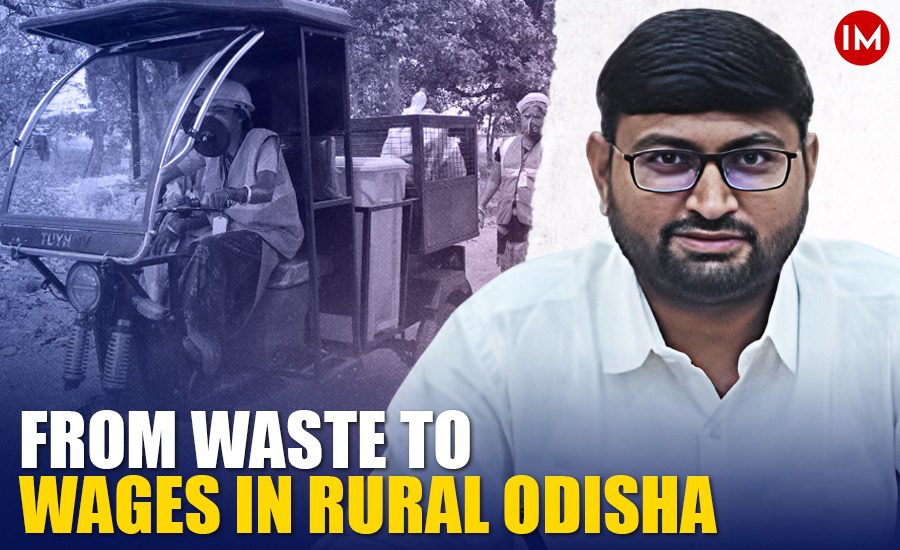
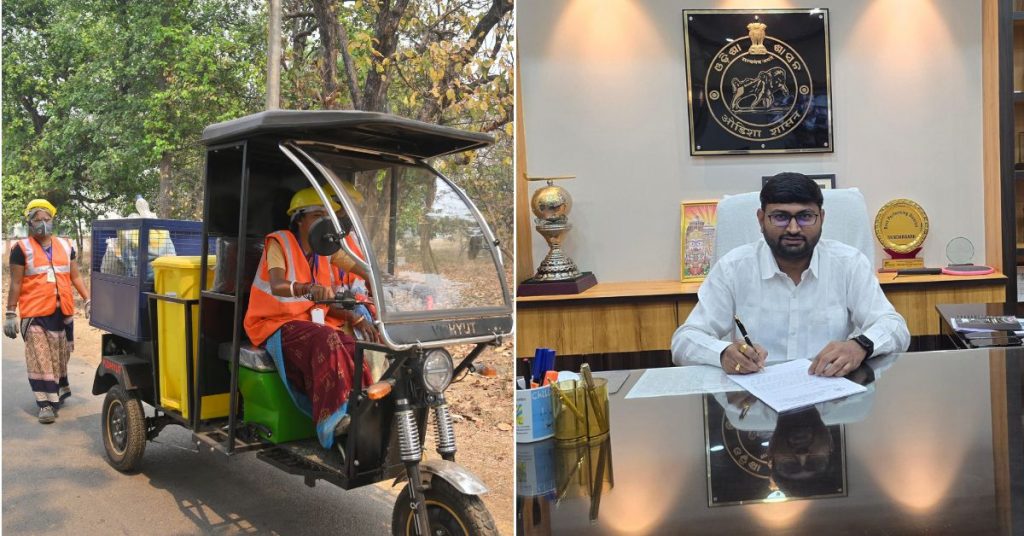
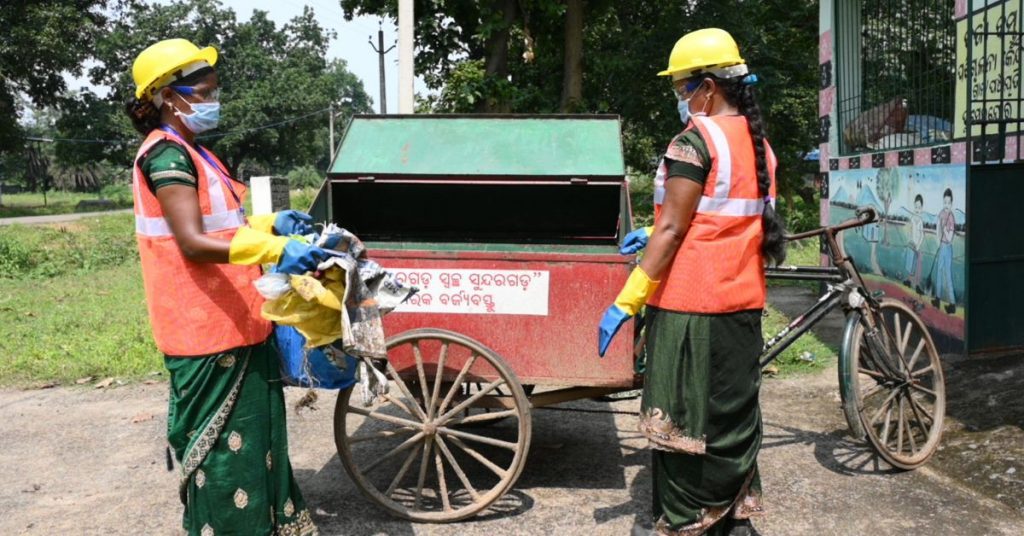
It’s 7 AM in the tribal villages of Odisha’s Sundargarh district. A group of women in vibrant sarees, armed with gloves, smiles, and a sense of purpose, hop onto tricycles and electric vehicles. Their daily route doesn’t lead to offices or construction sites but to doorsteps, alleys, and markets. They are known here as Swachhta Sathis, and the work they do is changing the very way people think about waste.

Behind this movement is IAS officer Manoj Satyawan Mahajan, District Collector of Sundargarh and a 2019 batch officer. What started as a waste management challenge in hilly, scattered villages turned into a full-blown grassroots model of sustainability, inclusion, and local pride.
WHAT HE SAW AND WHAT HE DID ABOUT IT

When Manoj Mahajan took charge, he noticed something that many had accepted as normal: heaps of plastic waste lining the roads, floating in ponds, or smouldering in backyards. As villagers burned waste or dumped it into streams, it was clear that there was no proper system. No solution. And no hope that things would change on their own.

The Swachh Bharat Mission (Gramin) was entering Phase 2. But rural areas like Sundargarh needed more than a slogan. They needed a structure.

“In my visits, I could see the lack of awareness and the helplessness. People didn’t know what else to do with the waste,” he shared in an interview with the media.

The solution came in the form of a new district-wide initiative in 2021, titled Aama Sundargarh Swachh Sundargarh. With UNICEF providing technical support, and a new model called Urban Rural Convergence helping bridge rural-urban gaps in waste disposal, Sundargarh was ready to do things differently.
TURNING WOMEN INTO WASTE WARRIORS

But what truly gave life to the project was the women.

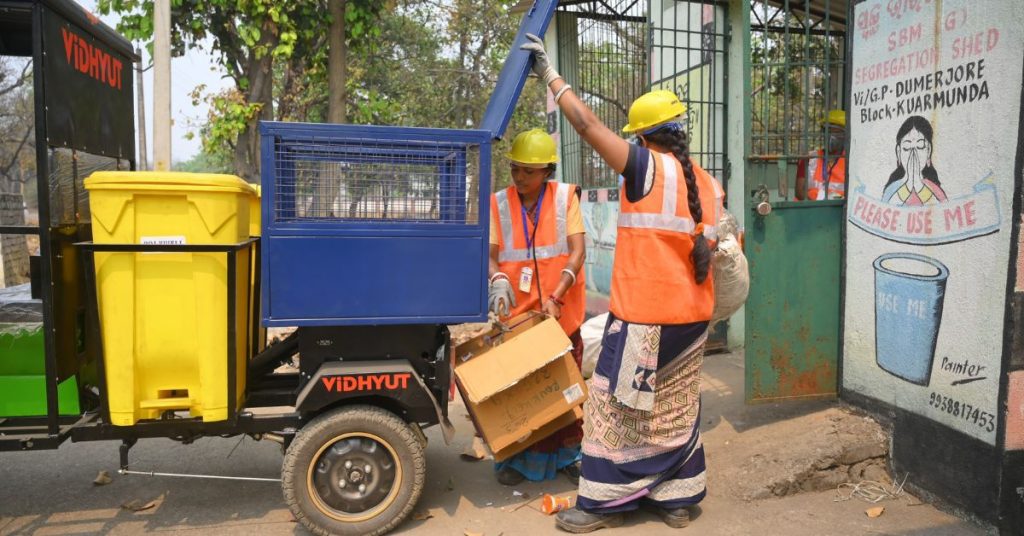
The district began training rural women, not just to collect waste but to run the entire chain, from door-to-door segregation to operating shredders and balers. These weren’t token jobs. These were skilled roles that made them the core of the mission.

From one segregation unit in Kuarmunda, the model expanded to 1,682 villages, covering nearly 3.6 lakh households; almost 70% of the district’s rural population.

470 women now earn between ₹6,500 and ₹7,500 per month doing work that didn’t exist in their villages before.
PLASTIC: FROM TRASH TO RESOURCE

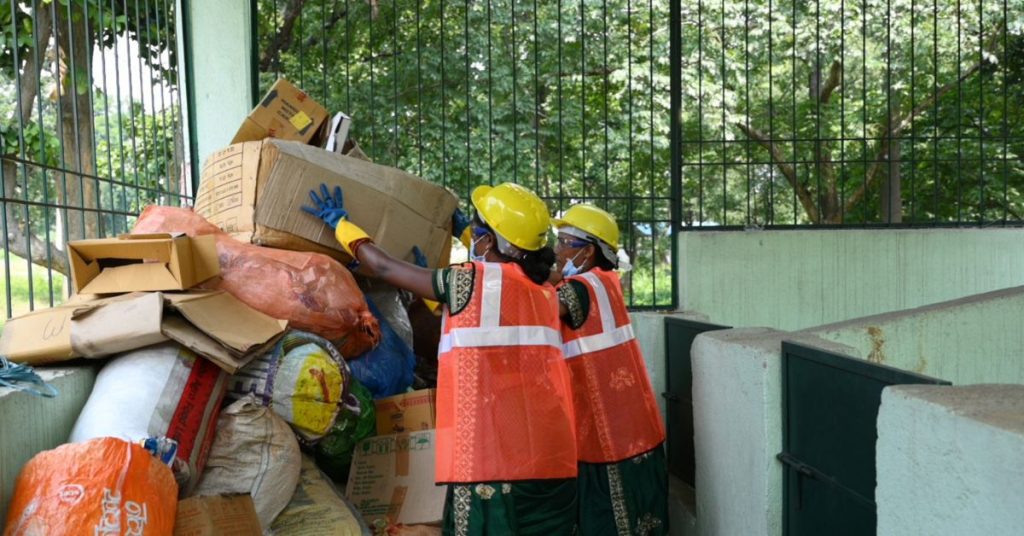
What happens after the waste is collected? That’s where the impact becomes even more layered.

  • High-value plastic like PET bottles go to certified recyclers.
  • Low-value plastic like multi-layered packaging is sent to cement kilns as fuel or used in road construction.
  • Local Material Recovery Facilities (MRFs) sort and prep everything.

So far, over 360 tonnes of plastic have been processed, and ₹17 lakh in revenue has been generated. This money goes back into maintaining the project – vehicles, training, salaries – making the entire system self-sustaining.

The project wasn’t without its challenges. With rough terrain and dispersed settlements, collection wasn’t easy. Mahajan’s team introduced customised battery-operated vehicles that made collection feasible even in the most remote locations.
RECOGNITION AND REAL IMPACT

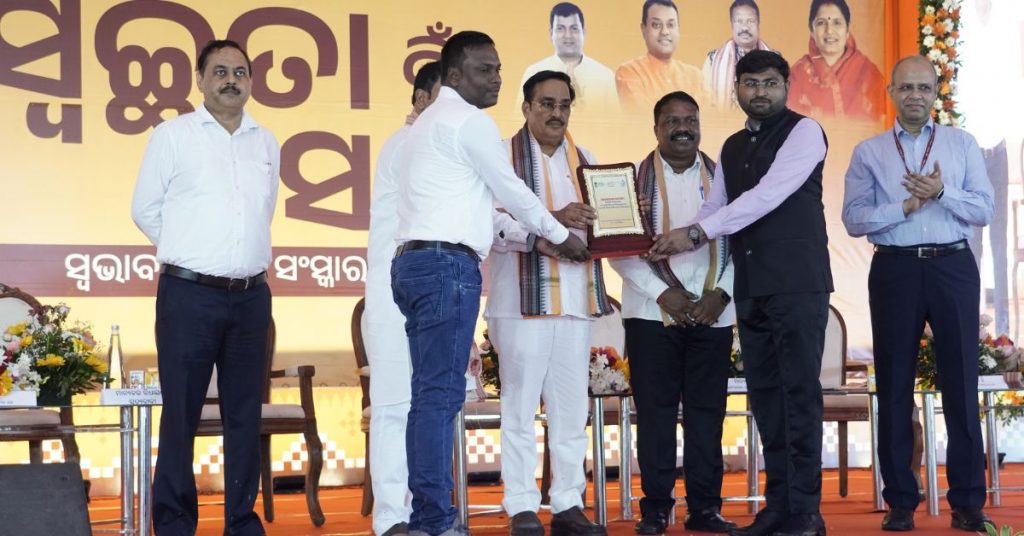
In 2024, Sundargarh was awarded the Best Performing District in Plastic Waste Management under the Swachh Bharat Mission (Gramin).

The investment? Around ₹14 crore.

The returns? Cleaner villages, empowered women, and a replicable model that balances environment, economy, and community.

During one of his visits, Manoj met a tribal woman who shared how her new job changed everything for her family. Once a homemaker, she now earns ₹6,800 a month, helps educate her children, and has become a respected member of her village.
LOOKING AHEAD

The district isn’t slowing down. Plans are underway to scale the program to 700 women by next year.

“This initiative is close to my heart,” Manoj shared with the media. “It’s not just about waste. It’s about respect, employment, health, and local ownership.”

Thanks to a well-thought-out system and women who believed in something new, Sundargarh today isn’t just cleaner; it’s more confident.

And all of it started with one question asked by an officer in the field:
“What if we could do this differently?”

Indian Masterminds Stories
Join our WhatsApp Channel
ADVERTISEMENT
ADVERTISEMENT
Related Stories
ADVERTISEMENT
ADVERTISEMENT
NEWS
Compulsory Retirement Rule
Supreme Court OBC Creamy Layer Ruling May Benefit 140 Civil Services Candidates; 2025 UPSC Batch Set for Service Allocation
BSE
BSE Revises WTI Crude Oil Derivatives Contract Specifications From November 27; Expands Options Strikes, Cuts Transaction Costs
A
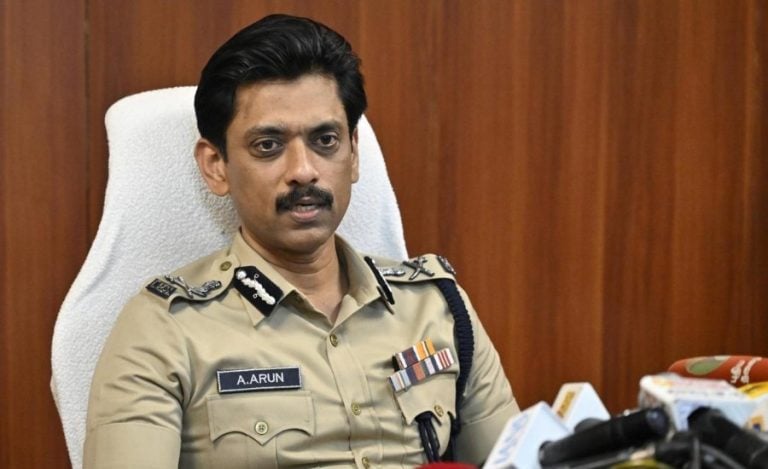
Former Chennai Police Commissioner A. Arun Named as Accused in Veeramani POCSO Case; Seven Police Personnel Under Scrutiny
IPS Officer Manoj Sharma 12th Fail
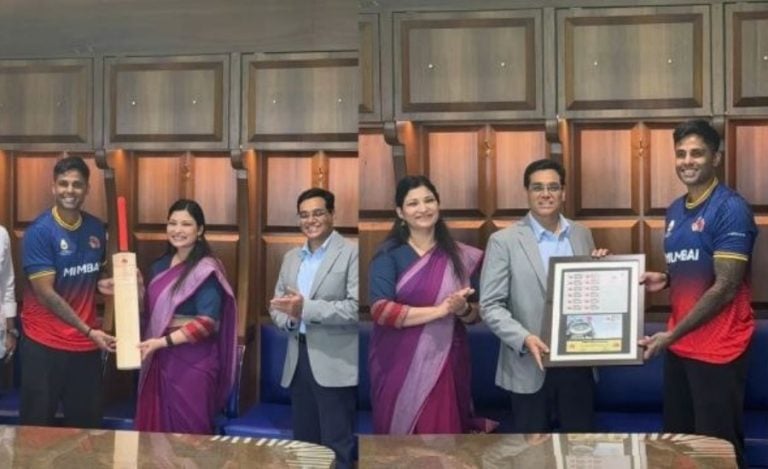
From ‘12th Fail’ to Wankhede: IPS Manoj Kumar Sharma and IRS Wife Shraddha Joshi Inspire Mumbai Cricketers Ahead of Syed Mushtaq Ali Trophy
R
Former Kerala DGP R. Sreelekha Faces Criminal Defamation Complaint Over Remarks on Rahul Gandhi; Court Seeks Her Appearance
Punjab Skill Development Agreement
Chandigarh Begins Search for Next SSP Ahead of Kanwardeep Kaur’s Tenure End; Three Punjab-Cadre IPS Officers in Contention
Tamil Nadu IPS Officer Changes 2026
Tamil Nadu Announces Key IPS Changes: Najmul Hoda Named Tambaram Police Commissioner, R. Dhinakaran Gets Additional Charge of ADGP Operations
UP IPS Officers Transfer 2026
UP Govt Transfers Two 2009-Batch IPS Officers; Ajay Kumar Sahni Posted to Moradabad, Muniraj G to Bareilly
ADVERTISEMENT
ADVERTISEMENT
Videos
Five years after Kargil, India sent its cricketing heroes to Pakistan where terrorism posed a deadly threat. The man guarding them, former Special Director of Intelligence Bureau, Mr. Yashovardhan Azad, reveals what all went behind the scenes during that crucial tour. 
Trust No One, Said His Instinct in Pakistan
Gajendra Singh Shekhawat
How India Plans to Boost Tourism, Create Jobs and Ease Overcrowding : Gajendra Singh Shekhawat on the Road to 2047
Dr Saket Badola IFS
Beyond Tigers and Safaris: How Corbett Literature Festival Wants to Change the Conservation Conversation
ADVERTISEMENT
UPSC Stories
Aniket Sagar ICoAS
No Coaching, Full-Time Job and Two Attempts: How Aniket Sagar Cleared ICoAS
Aniket Sagar, a chartered accountant from Bundelkhand, cleared UPSC ICoAS 2025 after working at PwC,...
IDAS Himanshu Tembhekar
Should UPSC Aspirants Give Up Their Hobbies? IDAS Officer Himanshu Tembhekar Explains
Should UPSC aspirants give up their hobbies? IDAS officer Himanshu Tembhekar explains how hobbies help...
UPSC Story
He Taught Students to Meet Expenses. Today, Sachin Bhadouria is a Scientist ‘B’ at CWPRS
Sachin Bhadouria overcame financial challenges and a Hindi-medium background to secure AIR 2 in a UPSC...
CSR NEWS
cmpdil
CMPDIL Partners with Tata Steel Foundation to Upgrade Technical Education at ITI Tamar 
The project will modernise training infrastructure with robotic welding technology, digital learning...
NCL CSR Blood Bank Project
NCL Signs ₹1.16 Crore CSR MoU to Establish Blood Bank at District Hospital in Singrauli
The project will fund essential medical equipment, furniture and renovation of the existing building...
REC Foundation Solar Street Light
REC Foundation to Install 350 Solar Street Lights Across Six Districts of West Bengal to Improve Rural Safety 
The CSR initiative, undertaken in partnership with Y4D Foundation, aims to improve night-time safety...
ADVERTISEMENT
ADVERTISEMENT
ADVERTISEMENT
Latest
Compulsory Retirement Rule
Supreme Court OBC Creamy Layer Ruling May Benefit 140 Civil Services Candidates; 2025 UPSC Batch Set for Service Allocation
BSE
BSE Revises WTI Crude Oil Derivatives Contract Specifications From November 27; Expands Options Strikes, Cuts Transaction Costs
ADVERTISEMENT
ADVERTISEMENT
ADVERTISEMENT
ADVERTISEMENT
ADVERTISEMENT
ADVERTISEMENT
ADVERTISEMENT
Videos
Five years after Kargil, India sent its cricketing heroes to Pakistan where terrorism posed a deadly threat. The man guarding them, former Special Director of Intelligence Bureau, Mr. Yashovardhan Azad, reveals what all went behind the scenes during that crucial tour. 
Gajendra Singh Shekhawat
Dr Saket Badola IFS
ADVERTISEMENT
ADVERTISEMENT