In the heart of Uttarakhand lies Rajaji Tiger Reserve, a critical wildlife sanctuary nestled among the fragile Shivalik hills. Every dry season, the reserve faces a daunting threat – forest fires that endanger not only flora and fauna but also the dedicated personnel guarding this natural treasure.
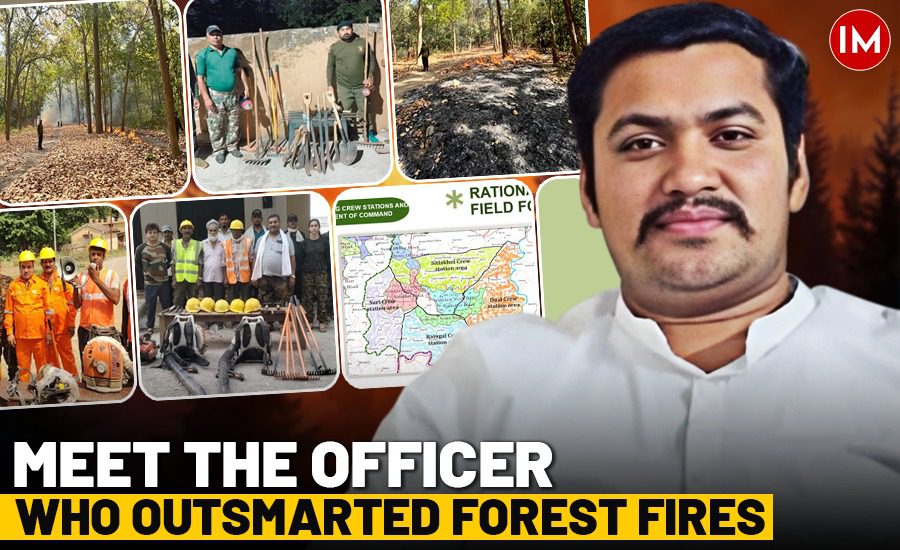
Amid growing concerns and record-breaking dry spells, a quiet revolution was led by 2017-batch Indian Forest Service (IFS) officer of Uttarakhand cadre, Mr Mahatim Yadav, the Deputy Director of Rajaji Tiger Reserve. Using a powerful combination of technology, community engagement, and relentless monitoring, Yadav charted a low-cost but high-impact strategy that drastically reduced fire incidents – even during the driest year in over a decade.
Indian Masterminds interacted with Mr Yadav to learn more about his initiatives, their implementation, and impact. “We didn’t use expensive, high-tech tools. We just used what was freely available and added discipline, dedication, and a bit of common sense,” says Mr Yadav.
Understanding the Terrain: A Unique Set of Challenges
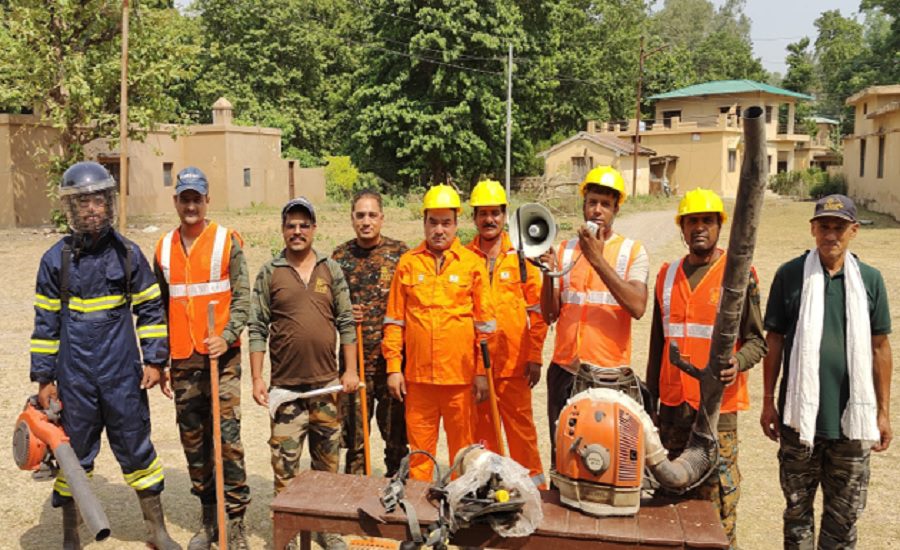
Rajaji Tiger Reserve is divided into Eastern and Western zones by the Ganges River. The terrain, marked by steep, rocky Shivalik hills, offers limited motorable access. Dense bhabbar grass, abundant dry leaf litter, and the prohibition on removing deadwood due to conservation rules all create a massive fuel load — turning the reserve into a tinderbox during summers.
“The hills here are steep and unforgiving,” Mr Yadav explains. “You can’t simply drive up and douse a fire. It takes planning, prediction, and quick reaction.”
Phase 1: A Technological Turn in Forest Fire Prevention
Satellite Data as a Fire Oracle
IFS Yadav’s first breakthrough came through VIIRS data from the SNPP satellite, used to analyze fire alerts from 2012 to 2023. By overlaying this open-source data onto GIS maps of the reserve, his team identified fire-prone zones, ignition points, and common fire pathways.
“I sat with years of data and traced patterns. It told us where the fire usually starts, how it spreads, and where it ends,” he recalls. “It became the foundation of our fire prevention strategy.”
This scientific insight led to the creation of fire sensitivity maps, enabling early action and targeted patrolling in high-risk areas.
Drones and Real-Time Eyes in the Sky
Though already used for wildlife tracking, drones were now strategically deployed for fire surveillance. Field staff, trained through a state-authorized agency, used drones to monitor inaccessible zones.
“In some areas, the fire is behind a hill and not visible from the ground. The drone gave us that visibility,” Yadav says. “It also signaled to local communities and our own staff that we were alert and proactive.”
Social Media as a Firefighting Tool
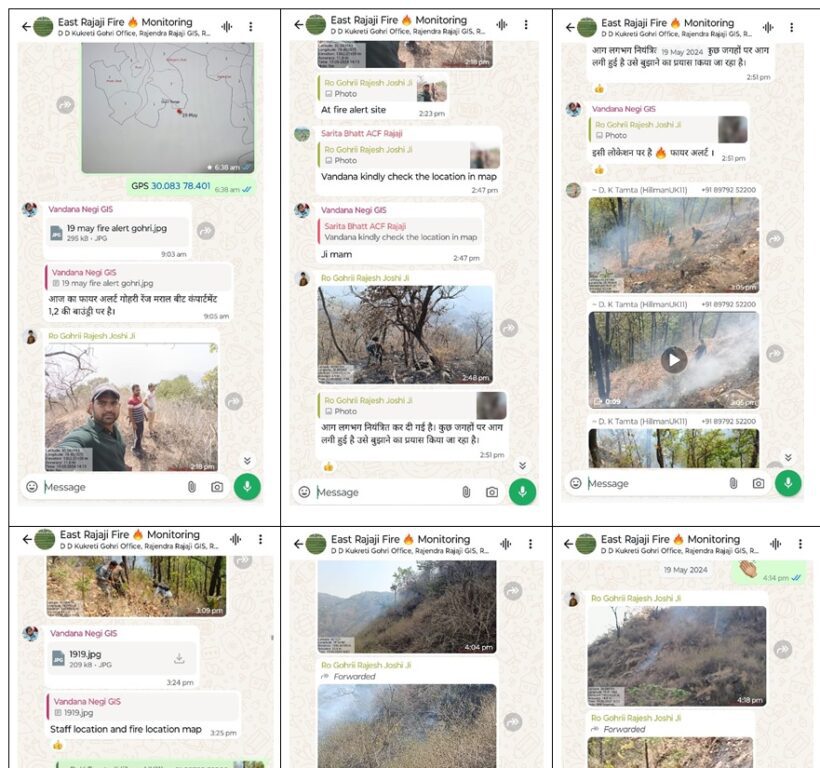
Perhaps the most innovative step was the use of WhatsApp groups – one for Eastern Rajaji and another for the West. Each forest guard and officer was added directly, bypassing traditional hierarchies.
Daily updates, fire alerts, GPS-tagged photos, and team movements were all uploaded in real-time. This ensured immediate response and accountability.
“We didn’t wait for reports to come up the chain. If there was a fire, we acted then and there,” Yadav asserts. “The hierarchy was bypassed because fire doesn’t wait.”
Phase 2: Building a Culture of Responsibility
Sensitizing and Mobilizing Field Staff
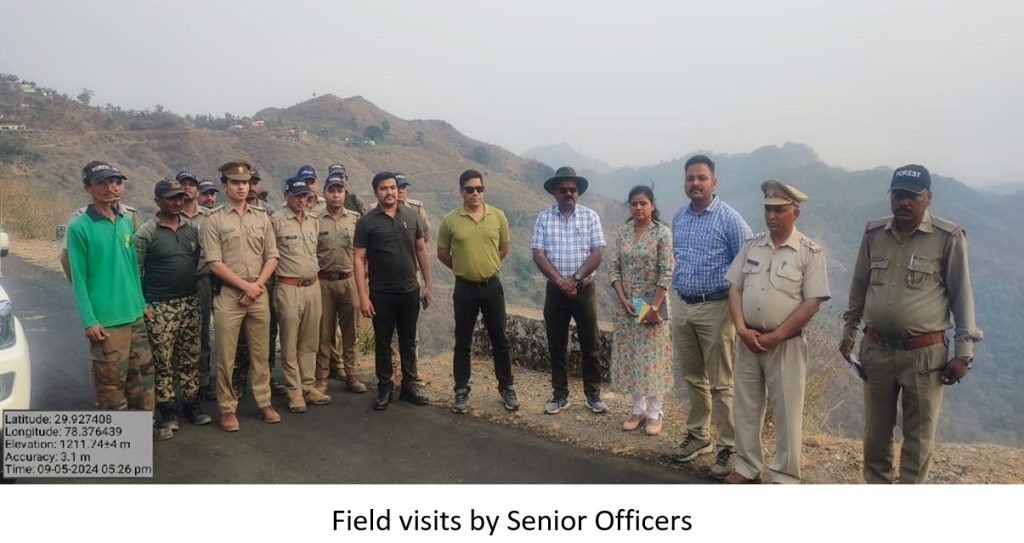
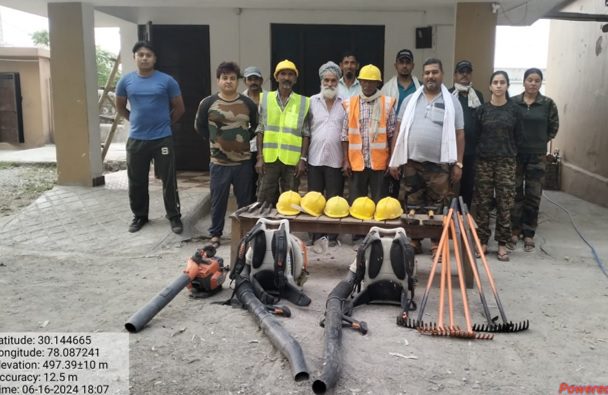
Realizing that no amount of tech can replace human effort on the ground, IFS Yadav personally conducted training and motivational meetings, including a pivotal session on 18th March.
He issued DO letters to over 260 field staff, underlining the seriousness of the situation and the individual responsibility of each officer.
“I told them – you will be held accountable. But more than fear, I saw commitment. I didn’t need to take disciplinary action against anyone, because they were all giving their best.”
GIS-Based Forest Fire Monitoring Cell
To handle the influx of real-time data from drones, WhatsApp, and satellite feeds, a GIS-based Monitoring Cell was established at the head office. Staff analyzed patterns, prepared fire alert maps, and coordinated with field teams for instant mobilization.
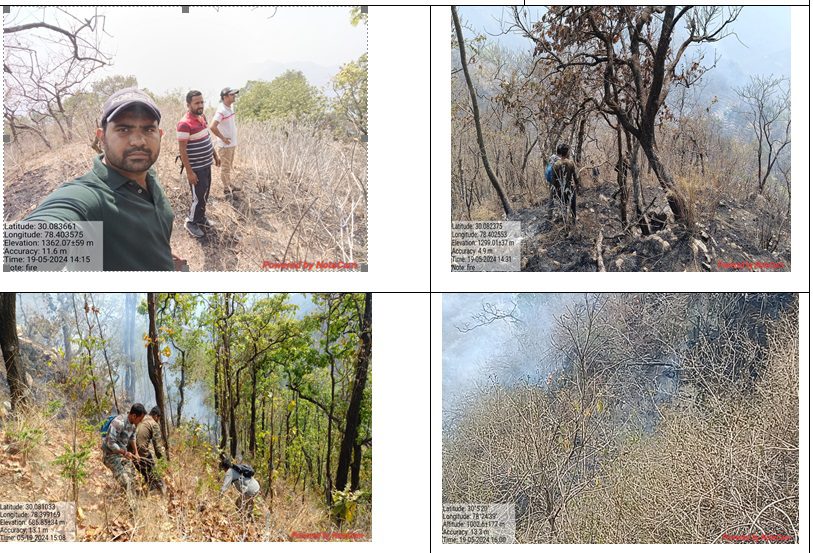
This setup ensured that no fire alert went unnoticed, and resource deployment was swift and smart.
The 2024 Fire Season: Driest in 13 Years, Yet a Major Win
Despite 114 consecutive days of negligible precipitation – the longest dry spell in the last 13 years, Rajaji Tiger Reserve saw a 63% reduction in fire alerts compared to its average.
“The data speaks for itself,” says Mr Yadav. “While Uttarakhand saw a 170% rise in fire alerts, we brought ours down by more than half – despite facing the harshest conditions.”
According to NASA’s precipitation records, 2024 had six prolonged dry spells. Still, Rajaji stood firm – not by luck, but by planning, preparation, and persistence.
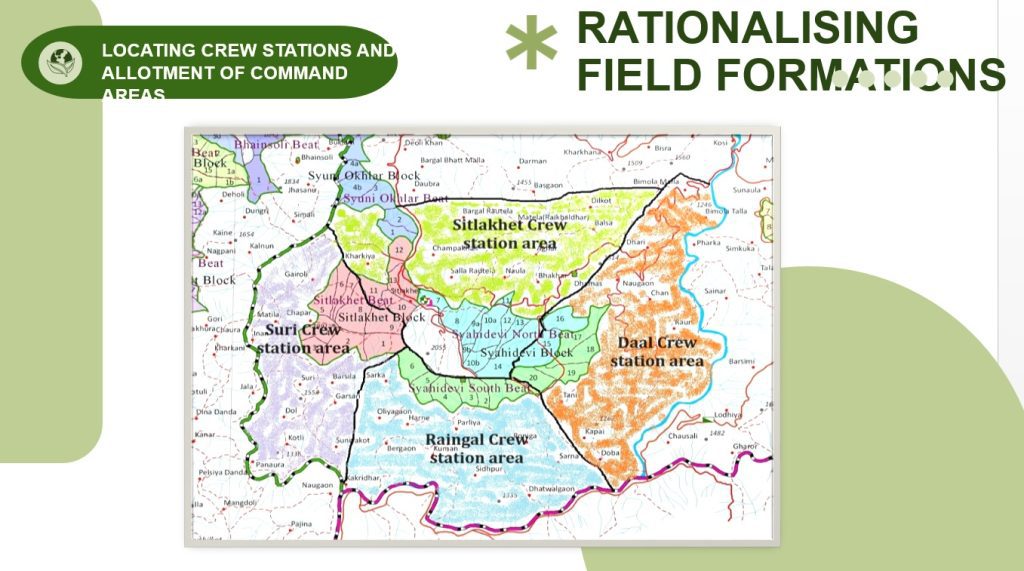
Safety First: Managing Without Sacrifice
Mr Yadav emphasized firefighter safety at every step. The reserve avoided any casualty, unlike other parts of Uttarakhand where six personnel lost their lives in forest fire operations.
“You can’t lose lives trying to save trees,” Mr Yadav says solemnly. “We ensured food, water, support – and never sent people into unsafe zones without backup.”
A Model for Low-Cost, High-Impact Conservation
What sets IFS Yadav’s approach apart is the minimal cost and maximum efficiency. Other than hiring one temporary staffer for GIS monitoring at a cost of ₹30,000/month for four months, the rest was managed with existing resources.
“We didn’t need expensive equipment. We needed ownership. We needed leadership. And that came from within the team,” he says.
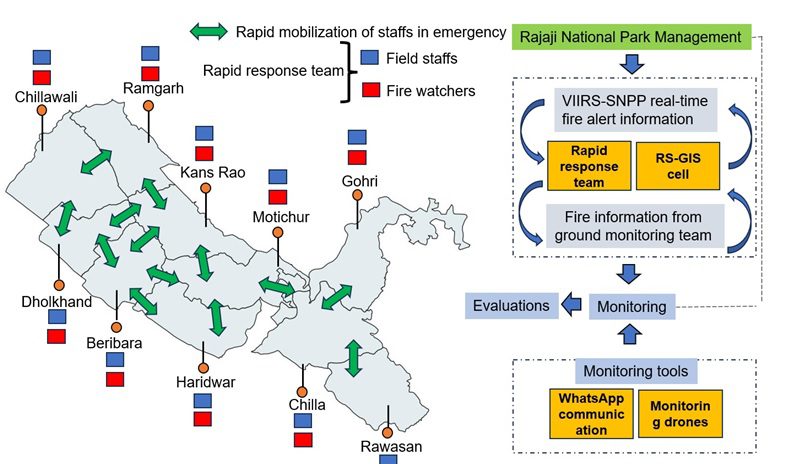
A Blueprint for the Nation
IFS Yadav’s model is a case study in how modern technology, grassroots mobilization, and strong leadership can transform disaster management in India’s forests.
As the climate crisis intensifies and fire seasons grow longer and deadlier, his initiative in Rajaji Tiger Reserve shows that even in the face of extreme adversity, smart planning can yield powerful results.
“I just gave direction and urgency to what was already possible,” Mr Yadav says with quiet humility. “The team did the rest.”