13 November 2026
ADVERTISEMENT
ADVERTISEMENT

Analysis of His Failures Got Him AIR 82 In UPSC

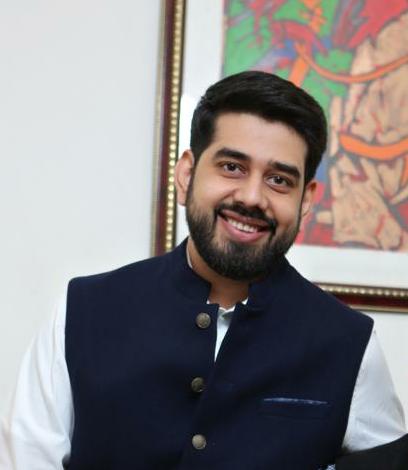
Sarthak Choudhary cracked CSE 2020 with AIR 82 in his fourth attempt with Law as optional. He is an alumnus of National Law University, Bangalore, and son of Retd Joint Commissioner of Delhi Police,Suvashis Choudhary. He says analysis of failures is very important to achieve success in UPSC exam.
Indian Masterminds Stories

The journey of UPSC throws up a different set of challenges for every aspirant, and the strategies adopted by them to cope with those challenges vary from person to person. In an exclusive conversation with Indian Masterminds, law graduate Sarthak Choudhry talks about the challenges that he faced in his four-year-long journey and how he tackled them to secure AIR 82 in CSE 2020.

BACKGROUND

Sarthak hails from Delhi and is the son of Retd Joint Commissioner of Delhi Police Suvashis Choudhary. After completing his BA LLB from National Law University Bangalore in 2016, he worked as Legal cum Research Assistant in the Delhi High Court. Being a son of a civil servant, he had seen his father working throughout his life for the betterment of society and this inspired him to take up Civil Services as a career, too.
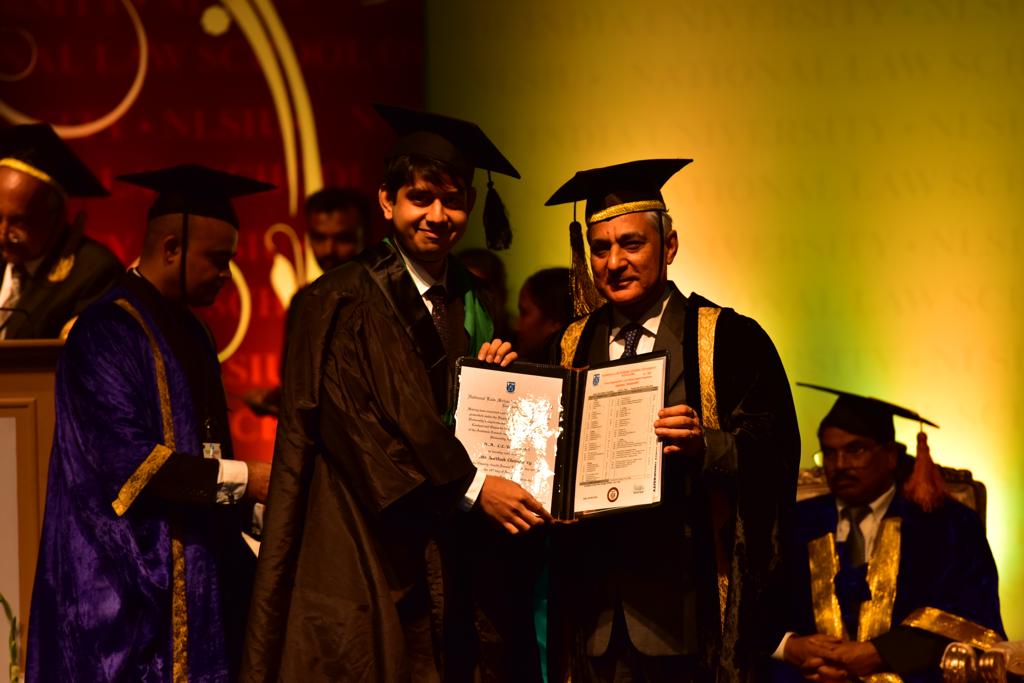
Sarthak during his convocation ceremony at Nation Law School Bangalore.

ANALYSIS OF FAILURE

Talking about his journey of intensive preparation for CSE, Sarthak says, “Throughout my journey, one thing that I found important is the analysis of failure. Analysis of failure of strategy is more important than analysis of failure of hard work. One needs to consistently remind oneself why he started this journey. ”This, according to him, helps in being consistent with the preparation. He goes on to outline the three basic things one needs to understand – what to read, when to read and how to read. These are the basics of any preparation strategy, he says, adding that it’s not important how many books you are referring to or how much you are reading, but what is important is the quality of content.

PRELIMS STRATEGY

Sarthak informs that although Current Affairs is important, the trend is changing and very few questions were asked this year from this section. “I would suggest preparing the basic static portion well and analyzing previous years questions to get a better understanding of the type of questions that can be asked. The best source is NCERT that I referred to myself, ” he said. He also stressed the importance of taking short breaks and spending time with family and friends, pursuing hobbies, and sharing thoughts and emotions with dear and near ones to de-stress.

ONE YEAR PLAN

He says at least one year of planning is necessary for cracking he exam. “Dividing the year into certain levels of preparation can be a good strategy. It’s important to dedicate at least 4 to 5 hours in the beginning, starting with NCERT, reading important topics in detail from Mains perspective, and gradually increasing the hours of preparation.” According to him, 8 to 9 hours is more than enough to prepare well for the exam. And reading newspapers is a very important part of the preparation. “I used to read The Hindu for at least 1 and half hour every day and make pointers of important reports, editorial suggestions, legal issues etc. This helped me to write answers well in the Mains examination.”

LAW AS OPTIONAL

Sarthak chose his graduation subject Law as his optional but still felt the need for guidance. “Writing answers in a law school is completely different from the answer writing that UPSC expects from you.” He joined a coaching institute in his final attempt and read newspapers from legal perspectives.

INTERVIEW EXPERIENCE

The interview went well for Sarthak. The questions ranged from current affairs to hobbies, based on his DAF. “It’s important to fill it properly so that you can manage the situation very well. Most of the questions were analytical and opinion based. For example, they asked me about plastic waste management, Swachh Bharat mission, role of UPSC in selection of DGP, IPC reforms, etc.”

PREFERENCE FOR IAS OR IFS

Sarthak grew up seeing his father as a successful IPS officer, but he does not want to join IPS. Rather he wants IAS or IFS. He explains why: “Though I’m inspired by my father, I want to serve people at a broader level where I can get more opportunities to explore and use my legal knowledge. Indian Administrative Service provides more opportunities to work for the cause on different levels.”



Indian Masterminds Stories
Join our WhatsApp Channel
ADVERTISEMENT
ADVERTISEMENT
Related Stories
ADVERTISEMENT
ADVERTISEMENT
NEWS
MRPL-
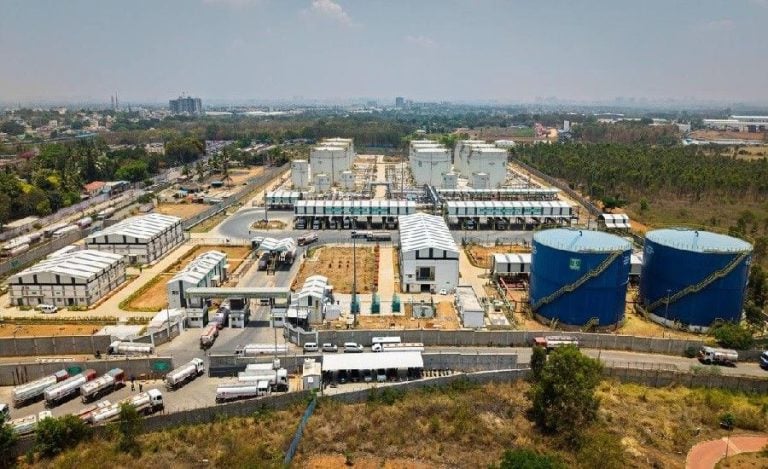
PM Modi to Dedicate MRPL’s Rs 330-Crore Devangonthi Marketing Terminal in Bengaluru
Indian Army Critical Tank Spare Programme
Indian Army Targets 300 Critical Spares To Reduce Defence Import Dependence
Aadhaar Card Proof of Age
Is Aadhaar Card Not Proof Of Age? MP High Court Explains Its Legal Position
HPPSC
Himachal Pradesh Offers Free UPSC, HPPSC Coaching to Chamba Youth; ₹4,000 Monthly Scholarship Available
Evening courts
Centre Plans Evening Courts In These 3 States To Reduce India's Pending Cases
Tanti-Tantwa SC Status
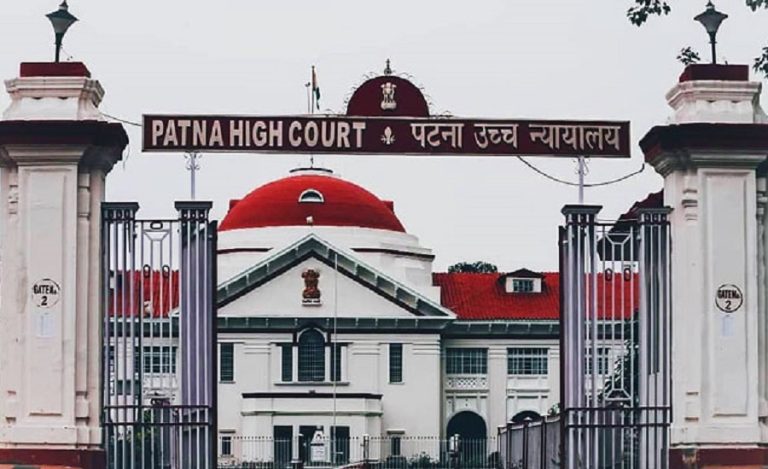
Tanti-Tantwa SC Status: Patna High Court Upholds EBC Classification
Hindustan Copper IOB MoU
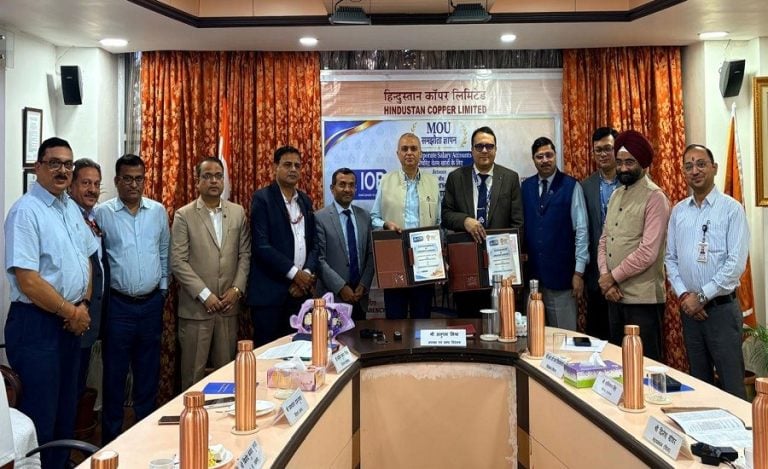
HCL Signs MoU with Indian Overseas Bank to Strengthen Corporate Banking and Salary Services 
Astrobase Andhra Pradesh Facility
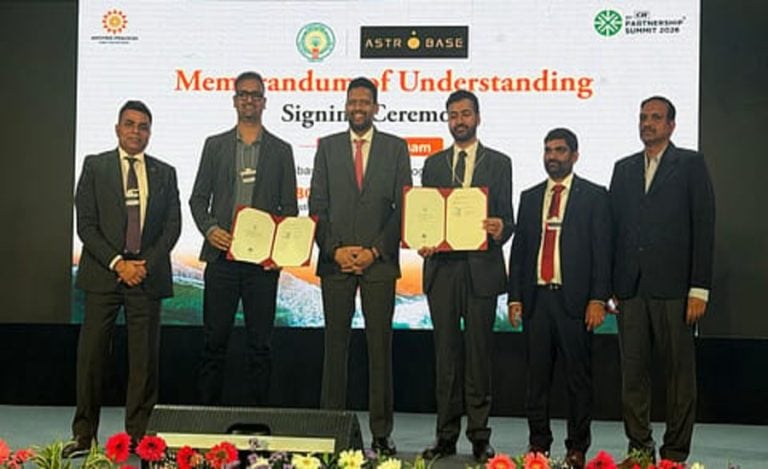
India's Private Space Sector Gets A Boost As Astrobase Plans ₹800 Crore Investment
ADVERTISEMENT
ADVERTISEMENT
Videos
Five years after Kargil, India sent its cricketing heroes to Pakistan where terrorism posed a deadly threat. The man guarding them, former Special Director of Intelligence Bureau, Mr. Yashovardhan Azad, reveals what all went behind the scenes during that crucial tour. 
Trust No One, Said His Instinct in Pakistan
Gajendra Singh Shekhawat
How India Plans to Boost Tourism, Create Jobs and Ease Overcrowding : Gajendra Singh Shekhawat on the Road to 2047
Dr Saket Badola IFS
Beyond Tigers and Safaris: How Corbett Literature Festival Wants to Change the Conservation Conversation
ADVERTISEMENT
UPSC Stories
Aniket Sagar ICoAS
No Coaching, Full-Time Job and Two Attempts: How Aniket Sagar Cleared ICoAS
Aniket Sagar, a chartered accountant from Bundelkhand, cleared UPSC ICoAS 2025 after working at PwC,...
IDAS Himanshu Tembhekar
Should UPSC Aspirants Give Up Their Hobbies? IDAS Officer Himanshu Tembhekar Explains
Should UPSC aspirants give up their hobbies? IDAS officer Himanshu Tembhekar explains how hobbies help...
UPSC Story
He Taught Students to Meet Expenses. Today, Sachin Bhadouria is a Scientist ‘B’ at CWPRS
Sachin Bhadouria overcame financial challenges and a Hindi-medium background to secure AIR 2 in a UPSC...
CSR NEWS
cmpdil
CMPDIL Partners with Tata Steel Foundation to Upgrade Technical Education at ITI Tamar 
The project will modernise training infrastructure with robotic welding technology, digital learning...
NCL CSR Blood Bank Project
NCL Signs ₹1.16 Crore CSR MoU to Establish Blood Bank at District Hospital in Singrauli
The project will fund essential medical equipment, furniture and renovation of the existing building...
REC Foundation Solar Street Light
REC Foundation to Install 350 Solar Street Lights Across Six Districts of West Bengal to Improve Rural Safety 
The CSR initiative, undertaken in partnership with Y4D Foundation, aims to improve night-time safety...
ADVERTISEMENT
ADVERTISEMENT
ADVERTISEMENT
Latest
suresh b itnal
When Children Are Heard, Governance Changes: How Koppal Is Building a Child-Friendly District
MRPL-
PM Modi to Dedicate MRPL’s Rs 330-Crore Devangonthi Marketing Terminal in Bengaluru
ADVERTISEMENT
ADVERTISEMENT
ADVERTISEMENT
ADVERTISEMENT
ADVERTISEMENT
ADVERTISEMENT
ADVERTISEMENT
Videos
Five years after Kargil, India sent its cricketing heroes to Pakistan where terrorism posed a deadly threat. The man guarding them, former Special Director of Intelligence Bureau, Mr. Yashovardhan Azad, reveals what all went behind the scenes during that crucial tour. 
Gajendra Singh Shekhawat
Dr Saket Badola IFS
ADVERTISEMENT
ADVERTISEMENT