New Delhi: India’s top military leaders have highlighted the importance of defence self-reliance in strengthening the country’s defence capabilities. At the ANI National Security Summit 3.0 in New Delhi on November 16, 2026, senior defence leaders said India must develop its own military technologies, equipment and supply chains to remain prepared for future conflicts.
The leaders stressed that dependence on foreign countries for critical defence equipment and technology could create serious challenges during a war.
Armed Forces Chiefs Highlight Importance Of Defence Self-Reliance
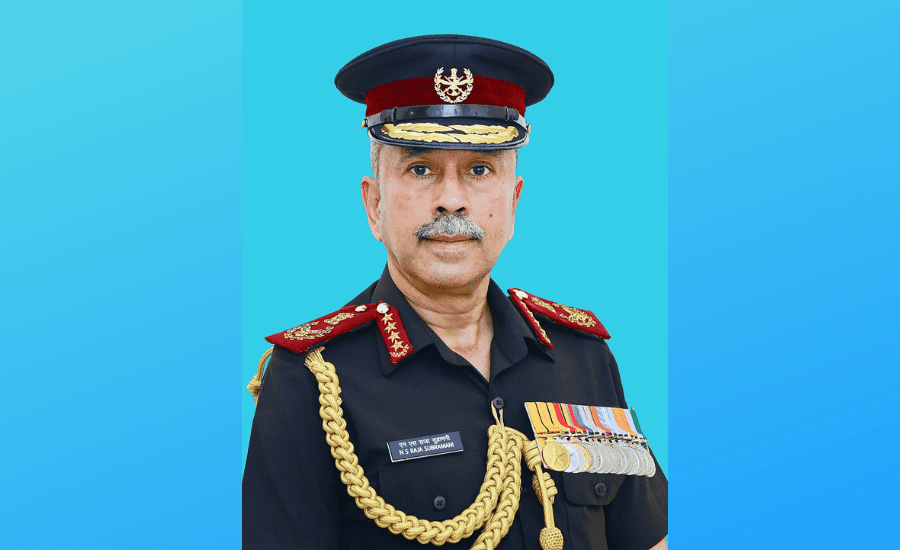
Chief of Defence Staff (CDS) General NS Raja Subramani said Aatmanirbharta is about having the freedom to make strategic decisions, the ability to act independently and the capacity to continue operations during difficult situations.
Read also: From Make in India to Owned by India: India’s Next Defence Manufacturing Challenge
He clarified that self-reliance does not mean producing everything within the country or avoiding international partnerships.
Instead, India must have control over important technologies and supply chains while maintaining strong and reliable partnerships with other countries.
Indian Air Force Chief Says Defence Self-Reliance Is Essential For Future Wars
Chief of the Air Staff Air Chief Marshal Ashutosh Dixit said Aatmanirbharta is not just an industrial target but an operational requirement for the Indian Air Force (IAF).
He explained that future military operations could become difficult if India depends on foreign countries for software, source codes, engines, spare parts, ammunition and communication systems.
According to him, India’s combat readiness will depend on three major factors:
- Control Over Technology: India must have control over its critical military systems and technologies.
- Ability To Sustain Operations: The country must be able to continue military operations during a prolonged conflict.
- Faster Adaptation: Indian forces must be able to respond to changing battlefield situations faster than their adversaries.
The Air Chief also highlighted the importance of the IAF’s VAYU framework for preparing the force for future warfare.
He urged Indian defence companies to work closely with the armed forces as development partners rather than simply supplying equipment.
Operation Sindoor Showed The Importance Of Indigenous Defence Systems
Air Chief Marshal Ashutosh Dixit also referred to Operation Sindoor while explaining the importance of indigenous military technologies and coordination between the three armed forces.
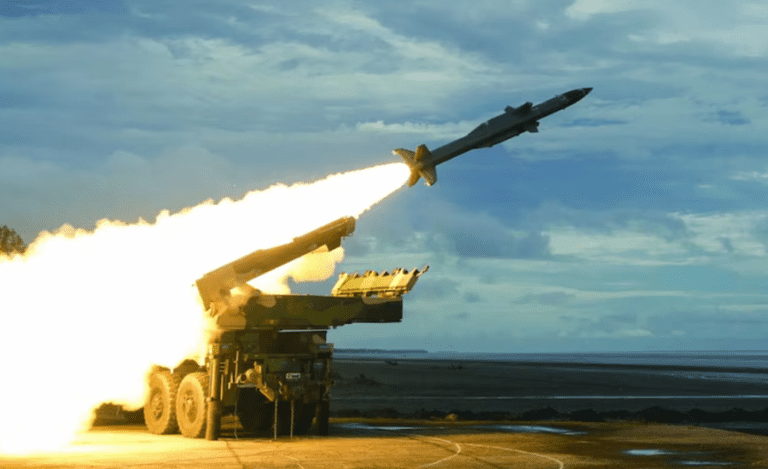
He highlighted how the Indian Air Command and Control System (IACCS) and the Indian Army’s Akashteer system worked together to create a common air picture. He also praised the performance of indigenous defence systems such as Akash and BrahMos during the operation.
According to him, Operation Sindoor demonstrated the importance of joint military operations and the use of Indian-made defence technologies.
Indian Navy Moving Towards Complete Self-Reliance
Chief of the Naval Staff Admiral Krishna Swaminathan highlighted the Indian Navy’s progress in developing its own warships.
He said the Navy has moved from being a buyers’ navy to a builders’ navy by increasing its dependence on Indian shipyards and domestic manufacturing.
The Navy has already commissioned more than 100 indigenous ships, including its 100th indigenously designed and constructed ship.
He also revealed that around 49 ships are currently on order, and all are being built in Indian shipyards. This reflects India’s growing ability to design, develop and manufacture important naval platforms within the country.
India Increasing Defence Production And Indigenous Capabilities
The government’s focus on defence self-reliance is also reflected in India’s growing defence manufacturing sector.
According to the Ministry of Defence, India’s defence production reached a record Rs 1.78 lakh crore in the financial year 2025-26.
Defence exports also reached approximately Rs 38,000 crore during the same financial year.
These developments highlight India’s efforts to strengthen domestic manufacturing and reduce dependence on imported defence equipment. The government is also encouraging partnerships between the armed forces, Indian defence companies, research institutions and technology developers.
FAQs
Air Chief Marshal Ashutosh Dixit said Aatmanirbharta is an operational requirement for the Indian Air Force. He highlighted control over technology, the ability to sustain operations and faster battlefield adaptation as key factors in future combat readiness.
Aatmanirbharta is important because it reduces dependence on foreign countries for critical defence technologies, weapons, spare parts and ammunition. It also strengthens India’s ability to sustain military operations during a war.
According to Navy Chief Admiral Krishna Swaminathan, the Indian Navy operates more than 100 indigenous ships and has around 49 ships on order, all being constructed in Indian shipyards.