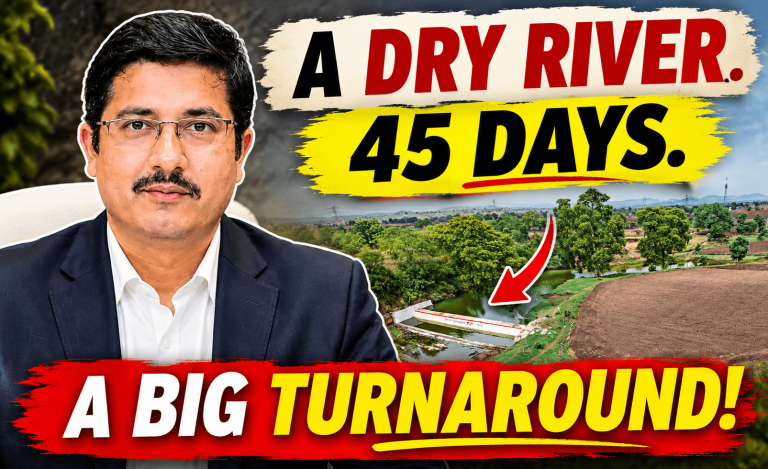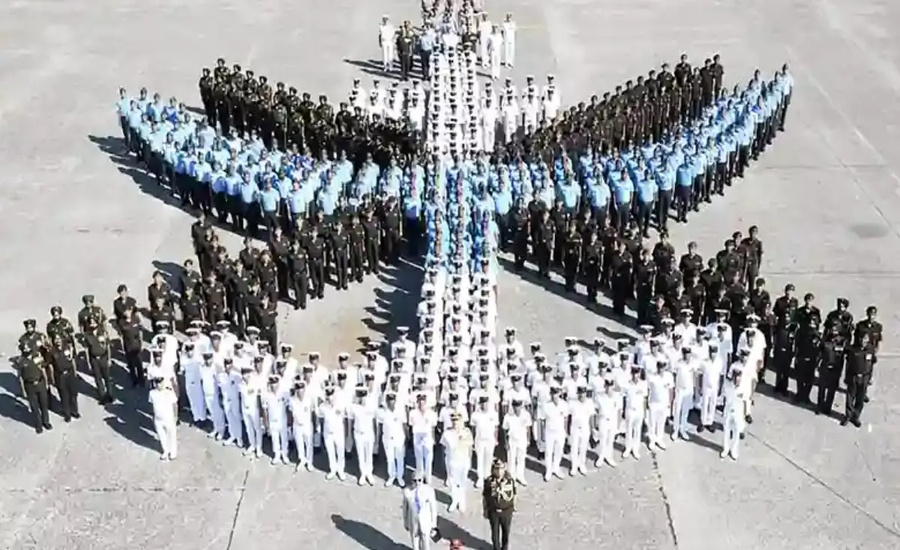
New Delhi: India is moving closer to the creation of Integrated Theatre Commands, as Chief of Defence Staff General NS Raja Subramani has described the military reform as an operational necessity rather than an administrative change. Speaking at the ANI National Security Summit 3.0 in New Delhi, he indicated that India could make significant progress towards implementing the new command structure before the next summit.
The announcement signals a major step in India’s efforts to modernise its armed forces and prepare for future multi-domain warfare.
CDS Explains Why India Needs Integrated Theatre Commands
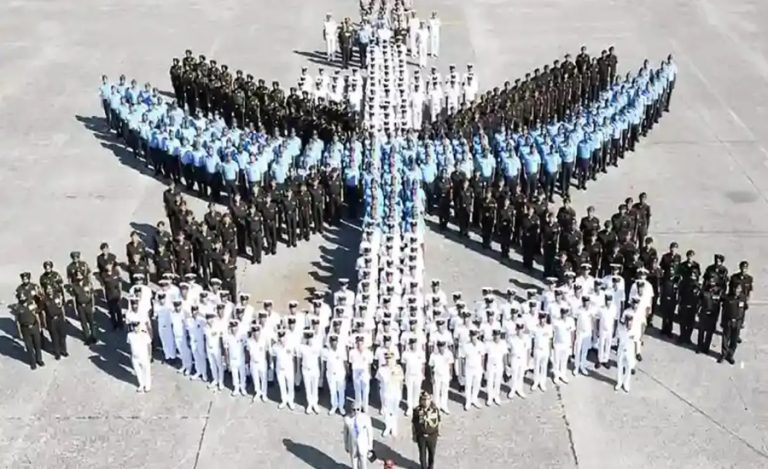
General NS Raja Subramani said modern warfare requires the Army, Navy and Indian Air Force (IAF) to operate together rather than work separately.
According to the CDS, future conflicts will not remain limited to traditional battlefields such as land, air and sea. They will also involve underwater operations, cyber warfare, electronic warfare, space and the information domain.
He highlighted that these areas are interconnected. An operation conducted by one military service can directly affect the operations of the other two services.
Referring to Operation Sindoor, the CDS said that recent operational experiences had demonstrated the importance of multi-domain operations. He also expressed hope that the country would make enough progress on theatre commands before the next ANI National Security Summit.
IAF Chief Supports Integrated Theatre Commands Reform
Chief of the Air Staff Air Chief Marshal Ashutosh Dixit also supported the proposed restructuring of the Indian Armed Forces.
He rejected the perception that the Indian Air Force was against the theatre command system because of concerns over sharing its air assets with other services.
According to him, air power will play a central role in connecting the Army, Navy and Air Force under an integrated command structure. He described air power as the connecting force that would strengthen joint operations, integration and theatreisation.
Air Chief Marshal Dixit also said that all three services were on the same page regarding the proposed reform. However, a few details still needed to be finalized. He stressed that theatreisation is a major transformation and must be implemented carefully because it would fundamentally change the way the armed forces operate.
What Are Integrated Theatre Commands
Integrated Theatre Commands are a proposed military structure in which the Army, Navy and Air Force operate under a unified operational commander for a specific geographical region or strategic responsibility.
At present, the three services largely operate through their separate command structures.
Under the proposed system, military resources and capabilities from all three services can be coordinated under a single commander to achieve common operational objectives.
The main purpose is to improve coordination, reduce duplication and ensure faster decision-making during military operations.
The proposed restructuring is also expected to create better coordination between conventional military operations and emerging areas such as cyber and space warfare.
What Is India’s Current Status On Theatre Commands
India has been working towards military integration for several years. The Ministry of Defence has already reported substantial progress in the creation of Integrated Theatre Commands, with broad consensus among the major stakeholders.
A Parliamentary Standing Committee on Defence report for 2025-26 also noted that certain important issues were still being discussed for finalisation.
The report highlighted the need to clearly separate operational responsibilities from force generation and administrative functions. This would allow theatre commanders to focus more directly on planning and conducting military operations.
The proposed reforms include developing theatre commands for land borders, maritime security and integrated air defence. However, the final organisational structure and implementation timeline remain subject to official decisions.
Operation Sindoor Strengthens The Case For Joint Military Operations
Operation Sindoor has become an important reference point in discussions about India’s future military structure. The CDS highlighted that modern military operations require coordination across several domains rather than depending on individual service capabilities.
For example, a military operation may require fighter aircraft, naval assets, ground forces, satellite-based intelligence, secure communications and cyber capabilities.
Coordinating these resources under an integrated operational structure could improve the speed and effectiveness of military responses. India’s proposed theatre command system is aimed at strengthening this kind of coordination.
Read also: What Is The Tri-Services Future Warfare Course 2026? Key Details, Objectives And Focus Areas
FAQs
India needs integrated theatre commands to improve joint military operations, speed up decision-making and prepare for modern multi-domain warfare involving land, air, sea, cyber and space.
Integrated Theatre Commands are a proposed military structure that brings the Army, Navy and Air Force under a unified operational commander to improve coordination and combat effectiveness.
As of November 17, 2026, the final implementation date has not been officially announced. CDS General NS Raja Subramani has expressed confidence that India will make significant progress before the next ANI National Security Summit.