
New Delhi: India’s Asiatic lion population has increased from 523 in 2015 to 891 in 2025, with Union Minister for Environment, Forest and Climate Change Bhupender Yadav attributing the growth to sustained conservation efforts by forest officials, conservationists, local communities and others involved in protecting the species.
Marking World Lion Day 2026, Yadav highlighted India’s progress in conserving the Asiatic lion and reaffirmed the government’s commitment to protecting wildlife and biodiversity.
Yadav Highlights India’s Lion Conservation Journey
In a post on X on World Lion Day, Yadav highlighted the increase in the Asiatic lion population and linked the progress to measures aimed at protecting habitats and strengthening conservation efforts.
“On World Lion Day, we celebrate India’s remarkable journey in lion conservation.”
Read Also: International Tiger Day : How Technology Is Rewriting Wildlife Conservation
He described India’s conservation efforts as a reflection of the country’s commitment to wildlife and biodiversity. Yadav also highlighted habitat protection and strengthened conservation measures as part of the country’s approach to protecting the species.
The Union Minister said the growth in the lion population reflects the work of forest officials, conservationists, local communities and others working to protect the Asiatic lion.
Kirti Vardhan Singh Underlines Role of Conservation Efforts
Union Minister of State for Environment, Forest and Climate Change Kirti Vardhan Singh also took to X to honour India’s “extraordinary journey” in conserving the majestic Asiatic Lion on World Lion Day.
Highlighting the rise in the lion population from 523 in 2015 to 891 in 2025, Singh credited forest officials, frontline workers, conservationists and local communities for their sustained efforts.
He wrote that “by protecting critical habitats, strengthening conservation programmes and fostering coexistence, India has demonstrated that development and nature conservation can progress together.”
Singh also called for continued efforts to maintain a balance between people and nature and ensure that the Asiatic Lion remains a symbol of India’s commitment to wildlife conservation.
Project Lion: India’s Long-Term Conservation Framework
The government’s lion conservation efforts also include Project Lion, announced by Prime Minister Narendra Modi on August 15, 2020, with the objective of ensuring the long-term conservation of the Asiatic lion.
According to the Ministry of Environment, Forest and Climate Change, the project follows a landscape-level approach to lion conservation.
Key areas covered under Project Lion include:
- Habitat enhancement for the Asiatic lion and other wildlife.
- Disease monitoring and veterinary support.
- Scientific population monitoring and tracking.
- Use of technology-based interventions for conservation.
- Protection of biodiversity and wildlife habitats.
- Community involvement and benefit sharing.
- Strengthening conservation through a holistic landscape-level approach.
Lion Range Expands to Nearly 35,000 Sq Km
Alongside the increase in population, the geographical range of the Asiatic lion has also expanded.
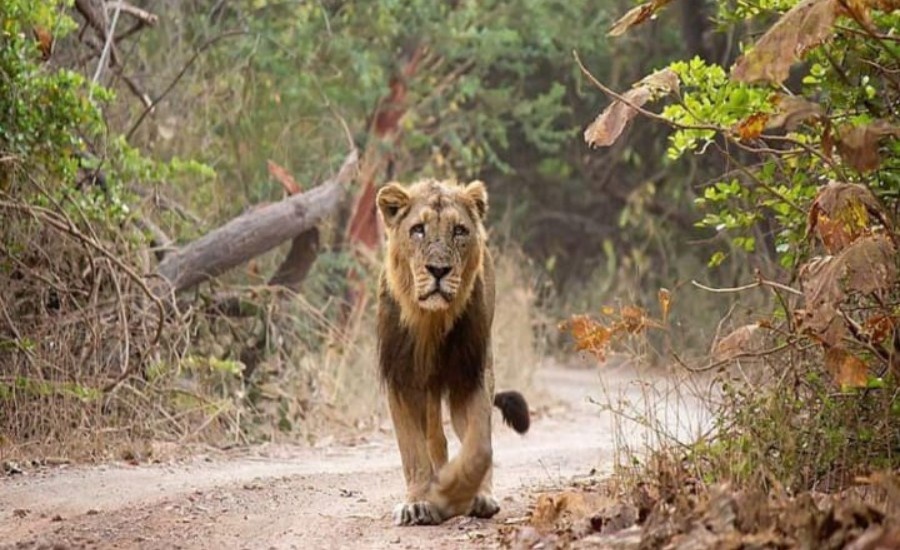
The government said the lion range has increased from approximately 30,000 sq km in 2020 to nearly 35,000 sq km.
The Asiatic lion is primarily found in the Gir landscape of Gujarat, making habitat protection and community participation important components of its conservation strategy.
Background: About the Majestic Asiatic Lion
The Asiatic lion (Panthera leo persica) is one of the world’s most endangered big cats and is found in the wild in the Gir landscape of Gujarat, which remains its last natural habitat. The species is distinguished from African lions by certain physical characteristics, including a prominent fold of skin along its belly.
India’s conservation efforts have focused on protecting its habitat, monitoring the population, managing disease risks and involving local communities in conservation.
World Lion Day is observed annually on August 10 worldwide to raise awareness about lions, their habitats and the conservation challenges facing the species. The occasion also highlights the importance of protecting lion populations and promoting coexistence between wildlife and communities.
Read Also: Tiger Conservation In India: How The Country Became Home To 70% Of The World’s Wild Tigers