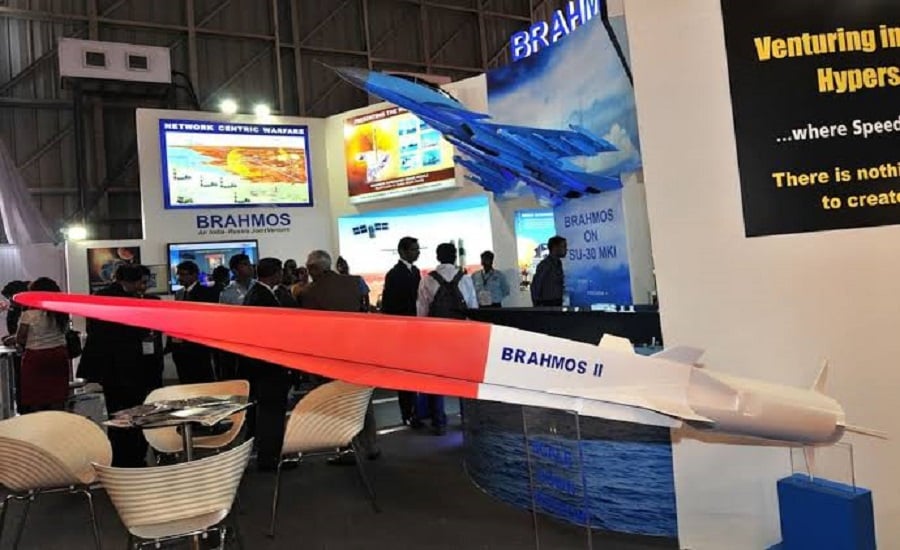
New Delhi: BrahMos-2 is being envisaged as a next-generation hypersonic cruise missile that could mark a new phase in India-Russia defence cooperation. The proposed missile is expected to draw on technologies and design features associated with Russia’s 3M22 Zircon hypersonic missile, potentially combining Russian propulsion expertise with India’s electronics, guidance and seeker technologies.
The programme is being pursued through the long-standing partnership between India’s Defence Research and Development Organisation (DRDO) and Russia’s NPO Mashinostroyenia under the BrahMos Aerospace joint venture. However, specific technical details, development milestones and timelines for BrahMos-2 remain subject to official confirmation.
If realised as envisaged, BrahMos-2 could become the successor to the BrahMos family of supersonic cruise missiles, which has established a strong position in India’s precision-strike capabilities and attracted international interest.
BrahMos-2 Could Achieve Speeds Exceeding Mach 6
One of the anticipated features of BrahMos-2 is its potential to reach hypersonic speeds exceeding Mach 6, significantly faster than the approximately Mach 3 speed associated with the existing BrahMos missile.
Hypersonic weapons generally travel at speeds above Mach 5, or five times the speed of sound. Their high velocity can reduce an adversary’s available reaction time and make interception more challenging, depending on the missile’s flight profile, manoeuvrability and the defensive systems involved.
Reports suggest that BrahMos-2 could incorporate design characteristics and technologies associated with Russia’s 3M22 Zircon missile. The Zircon is a Russian hypersonic cruise missile associated with advanced propulsion technology and naval deployment.
However, the precise propulsion configuration and performance specifications of the proposed BrahMos-2 have not been fully confirmed publicly.
Read also: India Strengthens Maritime Strike Capability With New ₹661.5 Crore BrahMos Agreement
Russian Zircon Technology Could Influence BrahMos-2 Development
Russia’s 3M22 Zircon has emerged as an important reference point in discussions about the next generation of Indo-Russian missile cooperation.
Reports have linked the proposed BrahMos-2 programme to technologies associated with the Zircon, particularly its advanced propulsion system. The missile is described in reports as using scramjet propulsion, a technology designed to support sustained high-speed flight.
A scramjet, or supersonic combustion ramjet, uses the high speed of incoming air to support combustion without requiring the same type of rotating compressor found in conventional jet engines. Developing a reliable scramjet-powered missile involves significant engineering challenges, including managing extreme temperatures, maintaining stable combustion and ensuring effective control during flight.
Whether BrahMos-2 will directly incorporate Zircon technology, adapt selected design features or use a different configuration remains a matter for official clarification.
DRDO and NPO Mashinostroyenia to Drive Indo-Russian Cooperation
The BrahMos programme is built on cooperation between India’s Defence Research and Development Organisation and Russia’s NPO Mashinostroyenia through BrahMos Aerospace.
The proposed BrahMos-2 project is expected to build on this established partnership by combining expertise from both countries. Russia’s experience in missile propulsion and India’s capabilities in electronics, guidance and seeker technologies are expected to be important areas of cooperation.
A key objective reportedly being considered is the development of an export-oriented hypersonic missile that could strengthen India’s position in the international defence market.
Nevertheless, the programme’s final technical design, development status and export configuration would depend on further engineering work, official decisions and applicable export requirements.
BrahMos-2 May Support Multiple Launch Platforms
Another anticipated feature of BrahMos-2 is its potential adaptability to multiple launch platforms, continuing the multi-platform approach associated with the existing BrahMos missile family.
The proposed missile is expected to be considered for deployment from:
- Warships: Potential integration with naval platforms for maritime strike missions.
- Submarines: Possible adaptation for submarine-based launch, subject to design and integration requirements.
- Land-based systems: Potential deployment through ground-based launch platforms.
Such flexibility could offer operational advantages by allowing armed forces to consider different deployment options. However, compatibility with individual platforms would require separate technical validation and integration, and the final deployment configuration of BrahMos-2 has not been officially established.
Hypersonic Missiles and the Challenge to Modern Air Defence
The development of BrahMos-2 comes amid growing international interest in hypersonic weapons. Several countries are investing in high-speed missile systems intended to challenge increasingly sophisticated air and missile defence networks.
Hypersonic weapons can combine very high velocity with manoeuvrability, potentially complicating detection, tracking and interception. Their actual effectiveness, however, depends on several factors, including flight altitude, trajectory, guidance, target characteristics and the capabilities of the opposing defence system.
If BrahMos-2 achieves its anticipated performance, it could represent a significant technological step beyond the current supersonic BrahMos family. Its eventual operational value would depend on the missile’s verified range, accuracy, propulsion performance, platform integration and reliability.
BrahMos-2 Could Strengthen India’s Defence Export Ambitions
India has increasingly focused on expanding its defence manufacturing and exports, with the BrahMos missile family serving as an important part of that effort.
An export-oriented BrahMos-2 could potentially build on the international interest generated by the existing system. A hypersonic successor could also offer India and Russia an opportunity to deepen their defence-industrial partnership.
However, export prospects would depend on the missile’s eventual capabilities, production costs, customer requirements, technology-sharing arrangements and relevant government approvals.
The distinction between the proposed missile’s projected capabilities and its confirmed specifications remains important, as detailed development and export plans have not yet been publicly established.
BrahMos-2 Could Mark a New Phase in India-Russia Missile Cooperation
If developed successfully, BrahMos-2 could represent a major advancement in the long-standing missile partnership between India and Russia. Its anticipated combination of hypersonic speed, advanced propulsion and potential multi-platform adaptability could distinguish it from the existing supersonic BrahMos system.
For now, its projected Mach 6-plus speed, propulsion configuration, deployment options and export potential should be treated as reported or envisaged features rather than confirmed operational capabilities.
Official confirmation of the programme’s technical specifications, development milestones and timelines will be essential to determine how BrahMos-2 will fit into India’s future missile capabilities and international defence export strategy.
Read also: DRDO IRDE Telescope Project: Key Features, Specifications And Mission Explained