17 November 2026
ADVERTISEMENT
ADVERTISEMENT

India Strengthens Maritime Strike Capability With New ₹661.5 Crore BrahMos Agreement

The Defence Ministry signed a ₹661.5 crore contract with BrahMos Aerospace to supply advanced fire control systems and launchers for Indian Navy ships. The deal will improve naval strike capability, increase indigenous defence production, and support India's maritime security objectives.
Indian Navy BrahMos Fire Control Systems Deal
Indian Masterminds Stories

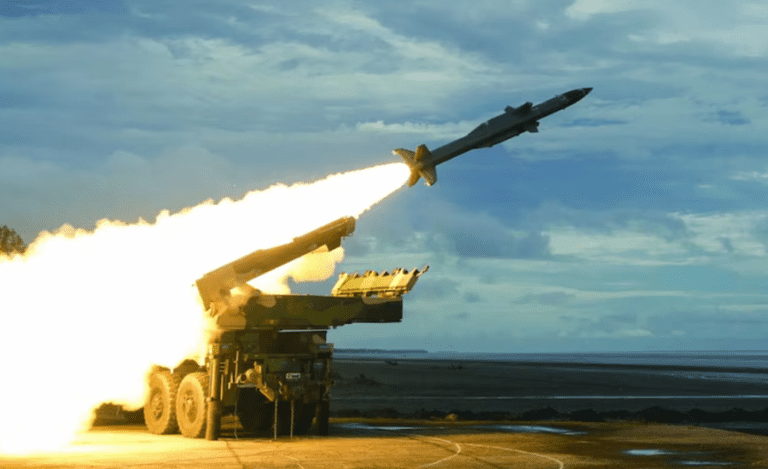
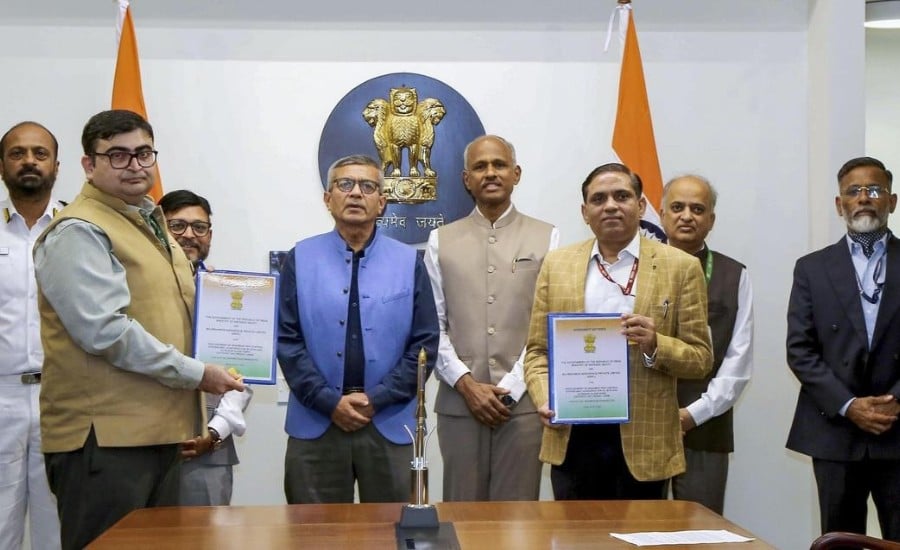
New Delhi: The BrahMos fire control systems and launchers deal has received a major boost after the ministry of defence (MoD) signed a contract worth ₹661.5 crore with BrahMos Aerospace Private Limited (BAPL). The agreement aims to strengthen the combat capabilities of Indian Navy warships and supports India’s goal of increasing indigenous defence manufacturing. The contract was signed under the Buy (Indian-IDDM) category, which promotes the use of domestically designed and developed defence equipment.

Details of Indian Navy BrahMos Fire Control Systems Deal

The Ministry of Defence signed the contract on 6 October 2026 for the procurement of BrahMos Fire Control Systems and Launchers for Indian Navy ships. The agreement was signed in the presence of Defence Secretary Rajesh Kumar Singh.

Read also: Inside India’s Bold Strategy To Mass Produce Astra Missiles And Boost Exports

The project is valued at ₹661.5 crore and is expected to improve the Navy’s ability to deploy the BrahMos missile system from its warships more effectively.

What Are BrahMos Fire Control Systems

A fire control system acts as the “brain” of a missile weapon system. It helps detect, track, calculate, and engage targets accurately.

The system processes target information and guides the launcher so that missiles can be fired with high precision. Modern fire control systems are critical for successful naval combat operations.

Role Of Launchers

Launchers are the platforms from which missiles are fired. In naval operations, these launchers are installed on warships and are designed to safely store and launch missiles when required. The new contract focuses on providing these launchers and fire control systems for Indian Navy vessels.

Why Is ThisIndian Navy BrahMos Fire Control Systems Deal Important 

The BrahMos missile system is already deployed on several frontline Indian Navy warships and serves as the Navy’s primary Surface-To-Surface Missile (SSM) platform for maritime strike missions.

The missile can strike both land and sea targets at long distances while travelling at supersonic speeds. This gives the Indian Navy the ability to respond quickly to threats and conduct precision attacks when needed. By adding more fire control systems and launchers, the Navy can further expand and strengthen its maritime strike capabilities.

Boost To India’s Defence Manufacturing

According to the Ministry of Defence, the project will have a minimum of 68% indigenous content. This means a large portion of the equipment and components will be sourced from Indian industries, helping the country move towards greater defence self-reliance.

Support For MSMEs

The contract is expected to involve several domestic companies, including Micro, Small and Medium Enterprises (MSMEs). Such participation helps strengthen India’s defence industrial ecosystem and encourages local manufacturing of advanced military technologies.

Employment Generation

The Ministry of Defence has stated that the project is expected to create employment opportunities over a period of approximately three years. This will benefit engineers, technicians, manufacturing workers, and companies involved in the defence supply chain.

About BrahMos Missile System

BrahMos is a supersonic cruise missile jointly developed by India’s DRDO and Russia’s NPO Mashinostroyenia. It is considered one of the world’s fastest operational supersonic cruise missiles and can be launched from land, sea, air, and submarine platforms.

Key Features

  • Supersonic speed
  • High precision targeting
  • Ability to engage both land and sea targets
  • Deployment across multiple military platforms
  • Major strike weapon of the Indian Armed Forces

Read also: BrahMos Missile Programme Achieves Historic Milestone with First Indigenous Warhead

FAQs

What Is The Value Of The New BrahMos Contract Signed By The Defence Ministry?

The Ministry of Defence signed a contract worth ₹661.5 crore with BrahMos Aerospace Private Limited for BrahMos Fire Control Systems and Launchers for Indian Navy ships.

Why Is The BrahMos Fire Control Systems Deal Important?

The deal will strengthen the Indian Navy’s maritime strike capability by providing advanced fire control systems and launchers for warships equipped with the BrahMos missile system.

How Much Indigenous Content Is Included In The Project?

The project will have at least 68% indigenous content, supporting Indian industries, MSMEs, and the government’s defence self-reliance initiative.

Indian Masterminds Stories
Join our WhatsApp Channel
ADVERTISEMENT
ADVERTISEMENT
Related Stories
ADVERTISEMENT
ADVERTISEMENT
NEWS
General Dhiraj Seth Czech Republic Visit
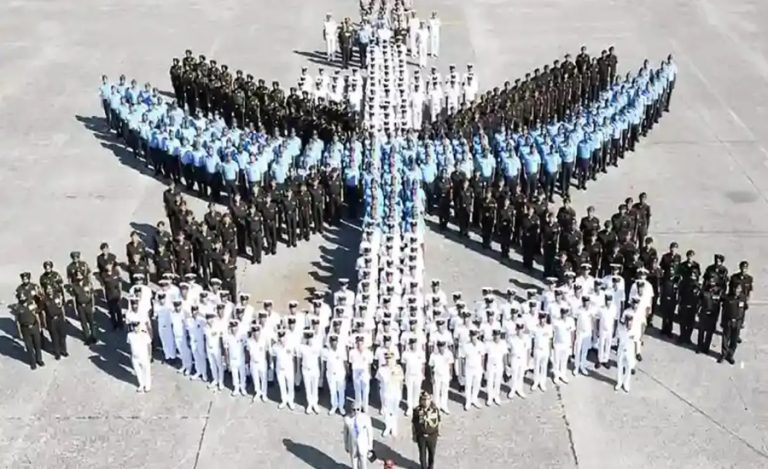
India Steps Up Defence Engagement With Czech Republic As Army Chief Begins Visit
Indigenous Navigation System
CDS Raja Subramani Warns India Against Dependence on Foreign Satellite Networks
Defence Self Reliance
Why India's Military Chiefs Want Stronger Indigenous Defence Capabilities
India Thailand Bilateral Trade
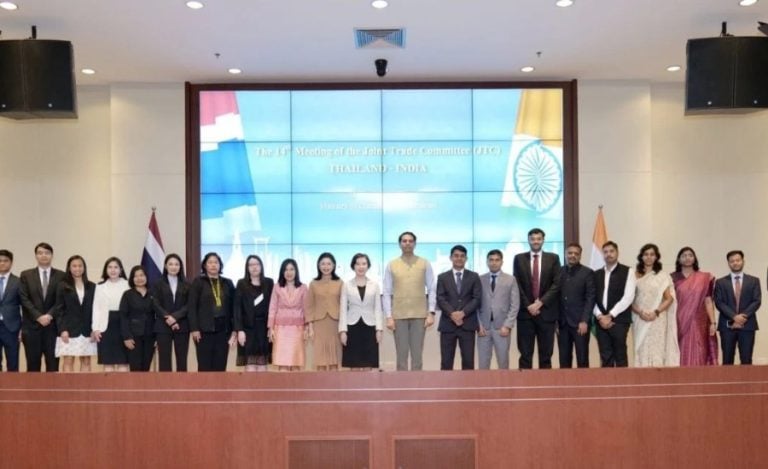
India-Thailand Trade Hits $21.49 Billion as Both Countries Explore UPI-PromptPay Linkage
Powergrid1 Power Grid
POWERGRID Approves ₹220.09 Crore Investment to Upgrade 400kV Gooty-Tumkur Transmission Line
Integrated Theatre Commands
India Accelerates Military Integration: CDS Explains Why Theatre Commands Matter
Upgraded BrahMos Missile
Defence Secretary Explains Why India Won't Reveal Details Of Its Upgraded BrahMos Missile
Yamuna pollution
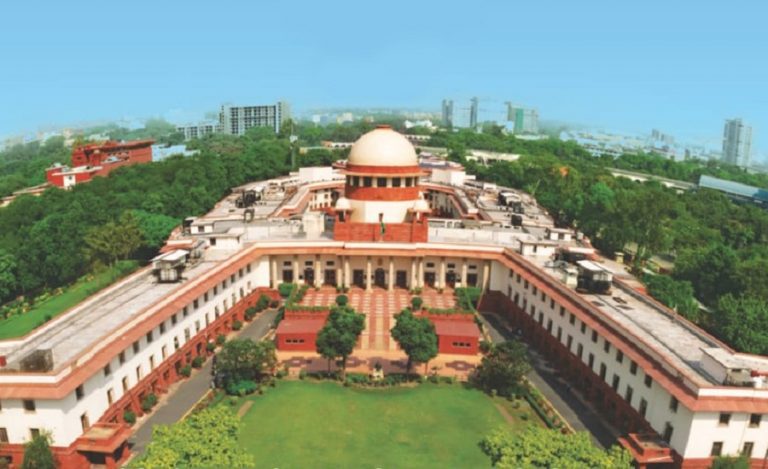
Supreme Court Issues Strict Directions To Curb Yamuna Pollution, Sets Penalty Framework 
ADVERTISEMENT
ADVERTISEMENT
Videos
Five years after Kargil, India sent its cricketing heroes to Pakistan where terrorism posed a deadly threat. The man guarding them, former Special Director of Intelligence Bureau, Mr. Yashovardhan Azad, reveals what all went behind the scenes during that crucial tour. 
Trust No One, Said His Instinct in Pakistan
Gajendra Singh Shekhawat
How India Plans to Boost Tourism, Create Jobs and Ease Overcrowding : Gajendra Singh Shekhawat on the Road to 2047
Dr Saket Badola IFS
Beyond Tigers and Safaris: How Corbett Literature Festival Wants to Change the Conservation Conversation
ADVERTISEMENT
UPSC Stories
Mayank Gurjar
He Lost His Father in Class 12, Then Cleared UPSC in One Attempt to Become an IPS Officer
After losing his father in Class 12, Mayank Gurjar held on to his dream of public service, graduated...
Gautam UPSC
He Studied at 4 AM in a 10×10 Mumbai Slum Room; Today, Gautam Padibhar is an Indian Forest Service Officer
Meet IFS officer Gautam Padhibhar, a 2023-batch Chhattisgarh cadre officer who rose from financial hardship...
Aniket Sagar ICoAS
No Coaching, Full-Time Job and Two Attempts: How Aniket Sagar Cleared ICoAS
Aniket Sagar, a chartered accountant from Bundelkhand, cleared UPSC ICoAS 2025 after working at PwC,...
CSR NEWS
Coal India CSR Programme
Coal India Organises CSR Programme to Align Mining Operations with Community Development 
Initiative Aims to Strengthen CSR Implementation in Coal-Bearing Regions and Improve Community Well-Being...
hurl
HURL Signs MoU with Injot Trust to Launch Project ANGOR for Children's Education in Assam
The three-year CSR initiative will cover five locations in Assam, focusing on holistic education, digital...
cmpdil
CMPDIL Partners with Tata Steel Foundation to Upgrade Technical Education at ITI Tamar 
The project will modernise training infrastructure with robotic welding technology, digital learning...
ADVERTISEMENT
ADVERTISEMENT
ADVERTISEMENT
Latest
General Dhiraj Seth Czech Republic Visit
India Steps Up Defence Engagement With Czech Republic As Army Chief Begins Visit
Indigenous Navigation System
CDS Raja Subramani Warns India Against Dependence on Foreign Satellite Networks
ADVERTISEMENT
ADVERTISEMENT
ADVERTISEMENT
ADVERTISEMENT
ADVERTISEMENT
ADVERTISEMENT
ADVERTISEMENT
Videos
Five years after Kargil, India sent its cricketing heroes to Pakistan where terrorism posed a deadly threat. The man guarding them, former Special Director of Intelligence Bureau, Mr. Yashovardhan Azad, reveals what all went behind the scenes during that crucial tour. 
Gajendra Singh Shekhawat
Dr Saket Badola IFS
ADVERTISEMENT
ADVERTISEMENT