6 November 2026
ADVERTISEMENT
ADVERTISEMENT

BrahMos Missile Programme Achieves Historic Milestone with First Indigenous Warhead

India's first Indigenous BrahMos Warhead developed by Solar Defence and Aerospace Limited is ready for delivery, marking a major milestone in defence self-reliance, missile technology, and the Atmanirbhar Bharat initiative.
Nagastra 2
Indian Masterminds Stories

New Delhi: India’s first Indigenous BrahMos Warhead is ready for delivery, marking a historic breakthrough in the country’s defence manufacturing sector. Developed by Nagpur-based Solar Defence and Aerospace Limited (SDAL), the warhead will become a key component of the BrahMos supersonic cruise missile programme.

The achievement represents a major step toward Atmanirbhar Bharat, reducing India’s dependence on imported missile technologies while strengthening indigenous defence production capabilities.

What Is the Indigenous BrahMos Warhead

A warhead is the explosive section of a missile that destroys or disables a target. While the missile’s engine and booster help it travel at high speed, the warhead is the component that delivers the final strike.

Read also: Indian Navy 2035 Vision: Inside the 200 Warships Induction Under Atmanirbhar Bharat Plan

The newly developed Indigenous BrahMos Warhead has reportedly been designed and manufactured in India, replacing a critical technology area that previously relied heavily on foreign expertise.

Why Is Indigenous BrahMos Warhead Important

  • Improves India’s defence self-reliance
  • Reduces dependence on foreign suppliers
  • Strengthens strategic security
  • Increases indigenous content in BrahMos missiles
  • Supports domestic defence manufacturing
  • Enhances private-sector participation in defence projects

Solar Defence’s Growing Role in India’s Defence Ecosystem

Solar Defence and Aerospace Limited has emerged as one of India’s leading private defence manufacturers. The company has already contributed to the BrahMos programme through booster production and is involved in manufacturing:

  • Rockets
  • Ammunition systems
  • Defence electronics
  • Drone technologies
  • Advanced weapon platforms

The successful development of the indigenous BrahMos warhead further strengthens SDAL’s position in India’s growing defence-industrial ecosystem.

How the Indigenous BrahMos Warhead Strengthens National Security

The BrahMos missile is one of India’s most advanced precision-strike weapons. Experts consider warhead technology among the most sensitive and complex parts of missile development. By mastering indigenous warhead production, India gains:

Better Strategic Control

Critical defence technologies remain under domestic control, reducing risks linked to global supply chain disruptions.

Faster Production Cycles

Local manufacturing enables quicker production and deployment of missile systems.

Improved Technology Development

Indian engineers and defence companies gain valuable experience in advanced missile technologies.

Greater Defence Readiness

Domestic production ensures a reliable supply of critical missile components during emergencies.

BrahMos Missile: India’s Strategic Strike Weapon

The BrahMos missile is jointly developed by India and Russia and is regarded as one of the world’s fastest operational supersonic cruise missiles.

Key Features of BrahMos Missile

  • Supersonic speed capability
  • Precision target engagement
  • Multi-platform launch capability
  • Land, sea, and air deployment
  • High operational reliability
  • Strategic deterrence capability

The missile serves as a critical component of India’s defence strategy across all three military services.

Indigenous Defence Manufacturing Continues to Expand

India has significantly increased indigenous content across multiple defence platforms in recent years.

Several major defence systems now feature locally manufactured:

  • Missile launchers
  • Guidance systems
  • Electronics
  • Airframes
  • Propulsion systems
  • Radar technologies
  • Weapon systems

The addition of an indigenous BrahMos warhead further advances India’s long-term goal of achieving greater defence self-sufficiency.

Read also: Make in India Defence Breakthrough: Inside India Solution to Long-Range Drone Warfare

Indian Masterminds Stories
Join our WhatsApp Channel
ADVERTISEMENT
ADVERTISEMENT
Related Stories
ADVERTISEMENT
ADVERTISEMENT
NEWS
IREDA Kenya
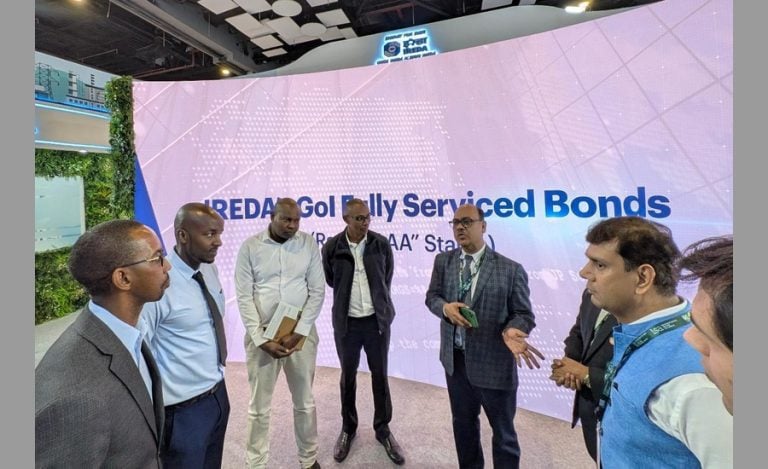
IREDA Explores Renewable Energy Partnership with Kenya, Offers Support in Solar, Wind and Green Hydrogen
Chhattisgarh Tourism Board
Chhattisgarh Plans ‘Riyasat Veethika’ Gallery to Preserve Heritage of 14 Former Princely States
Uttar Pradesh UP Government
Uttar Pradesh Govt Transfers 2 IAS Officers, Bhawani Singh Khangarot Appointed Sugarcane Commissioner 
Chief Minister Rekha Gupta
Delhi CM Rekha Gupta Announces Healthcare Expansion, 820 MBBS Seats and ₹503 Crore Hospital Projects
Coal-Minister-G-Kishan-Reddy-resized
Coal and Mineral Exchanges 90% Ready, Operations to Begin Soon, Says G Kishan Reddy 
India defence exports
Can India Become A Top 10 Defence Exporter? ₹75,000 Crore Target Proposed
UP PMAY Urban Housing Scheme
UP Approves 1.01 Lakh More Houses Under PMAY-Urban, Total Sanctioned Homes Reach 5.90 Lakh
Cosmoserve Space Base 1
Hyderabad Gets India's First Private Space Debris Removal Facility
ADVERTISEMENT
ADVERTISEMENT
Videos
Five years after Kargil, India sent its cricketing heroes to Pakistan where terrorism posed a deadly threat. The man guarding them, former Special Director of Intelligence Bureau, Mr. Yashovardhan Azad, reveals what all went behind the scenes during that crucial tour. 
Trust No One, Said His Instinct in Pakistan
Gajendra Singh Shekhawat
How India Plans to Boost Tourism, Create Jobs and Ease Overcrowding : Gajendra Singh Shekhawat on the Road to 2047
Dr Saket Badola IFS
Beyond Tigers and Safaris: How Corbett Literature Festival Wants to Change the Conservation Conversation
ADVERTISEMENT
UPSC Stories
IDAS Himanshu Tembhekar
Should UPSC Aspirants Give Up Their Hobbies? IDAS Officer Himanshu Tembhekar Explains
Should UPSC aspirants give up their hobbies? IDAS officer Himanshu Tembhekar explains how hobbies help...
UPSC Story
He Taught Students to Meet Expenses. Today, Sachin Bhadouria is a Scientist ‘B’ at CWPRS
Sachin Bhadouria overcame financial challenges and a Hindi-medium background to secure AIR 2 in a UPSC...
Vishwas Jhargad UPSC CAPF
A Photograph of His Mother Accompanied Vishwas Jhargad to the UPSC Interview, Where His Dream Came Closer
Vishwas Vijay Jhargad lost both parents as a child. With his family's support, he secured AIR 145 in...
CSR NEWS
REC Foundation Solar Street Light
REC Foundation to Install 350 Solar Street Lights Across Six Districts of West Bengal to Improve Rural Safety 
The CSR initiative, undertaken in partnership with Y4D Foundation, aims to improve night-time safety...
nalco
NALCO Signs MoU with SDI Bhubaneswar to Provide Skill Training to 60 Youths in Odisha
The three-month CSR programme will benefit youths from villages near NALCO's Angul and Koraput complexes,...
HUDCO Perpetual Tier I Bond Issue
HUDCO Launches Cleanliness and Green Initiatives Across India Under Special Campaign 6.0
From planting over 100 saplings at the Institution for the Blind in Delhi to organising cleanliness drives...
ADVERTISEMENT
ADVERTISEMENT
ADVERTISEMENT
Latest
IREDA Kenya
IREDA Explores Renewable Energy Partnership with Kenya, Offers Support in Solar, Wind and Green Hydrogen
Chhattisgarh Tourism Board
Chhattisgarh Plans ‘Riyasat Veethika’ Gallery to Preserve Heritage of 14 Former Princely States
ADVERTISEMENT
ADVERTISEMENT
ADVERTISEMENT
ADVERTISEMENT
ADVERTISEMENT
ADVERTISEMENT
ADVERTISEMENT
Videos
Five years after Kargil, India sent its cricketing heroes to Pakistan where terrorism posed a deadly threat. The man guarding them, former Special Director of Intelligence Bureau, Mr. Yashovardhan Azad, reveals what all went behind the scenes during that crucial tour. 
Gajendra Singh Shekhawat
Dr Saket Badola IFS
ADVERTISEMENT
ADVERTISEMENT