Hyderabad: India has taken an important step towards making space safer and more sustainable. Hyderabad-based Cosmoserve Space has inaugurated Base 1, a private space debris removal and satellite testing facility designed to develop advanced technologies for capturing dead satellites and servicing spacecraft in orbit.
The facility brings together space robotics, microgravity simulation, satellite integration and mission control under one roof. This development also supports India’s growing ambitions in the global space technology sector.
Details of Cosmoserve Space Base 1
Cosmoserve Space inaugurated its new facility, named Base 1, on November 5, 2026, at VSD Tech Park in Gachibowli, Hyderabad.
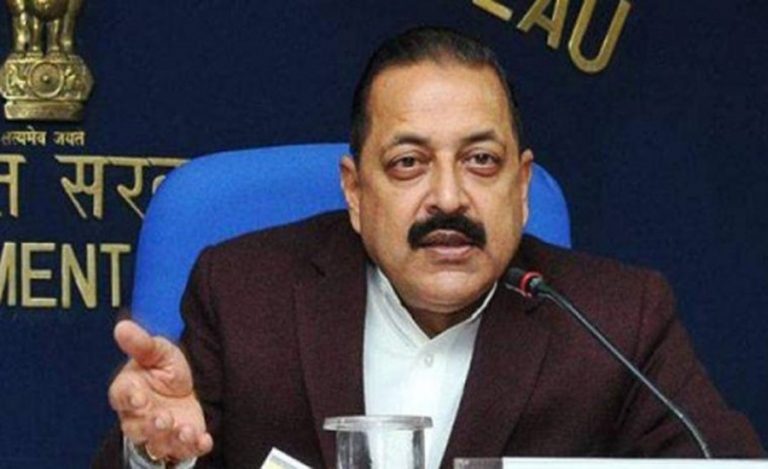
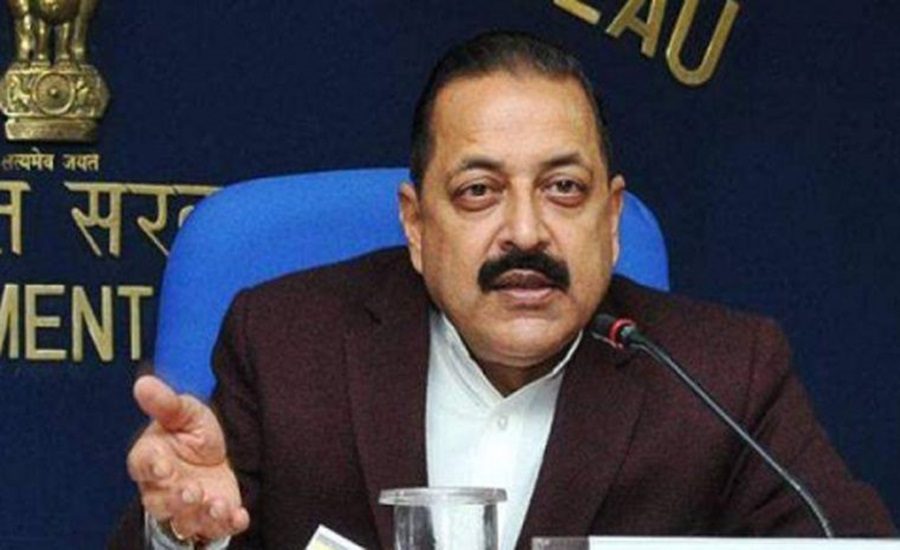
Union Minister of State for Science and Technology Dr Jitendra Singh virtually attended the inauguration ceremony. Telangana IT and Industries Minister D. Sridhar Babu and Cosmoserve Space Founder and CEO Dr Chiranjeevi Phanindra were also present.
According to the Ministry of Science and Technology, Base 1 covers approximately 14,800 square feet.
It is designed to support the development, construction, testing and operation of space robots for active space debris removal and in-orbit satellite servicing.
The facility is an important development for India’s private space industry because it brings several advanced testing and research capabilities together at a single location.
Four Advanced Laboratories At Cosmoserve Space Base 1
Cosmoserve Space’s Base 1 facility includes four major infrastructure facilities to support future space missions.
1. Orbital Rendezvous And Capture Lab
This laboratory will help engineers simulate how one spacecraft approaches and captures another object in space.
This technology is important for capturing non-operational satellites and removing dangerous space debris from Earth’s orbit.
2. Space Robotics Innovation Lab
The Space Robotics Innovation Lab will focus on developing advanced robotic systems for satellite capture and servicing.
These robots are expected to support future missions involving satellite inspection, repair and debris removal.
3. ISO Class 8 Clean Room
The facility also includes an ISO Class 8 clean room for satellite integration and related activities.
Clean rooms help protect sensitive satellite components from dust and other unwanted particles during assembly and testing.
4. Mission Simulation And Control Centre
The Mission Simulation and Control Centre will support the planning, simulation and operation of upcoming space missions.
It will help engineers monitor spacecraft activities and manage mission operations.
Together, these four facilities will support the development of India’s future space servicing technologies.
Mission EMBRACE Demonstrates India’s Growing Space Capabilities
One of Cosmoserve Space’s important achievements is Mission EMBRACE, which conducted an in-space test of soft robotic petals in July 2026.
The mission demonstrated an important step towards developing robotic systems for future space debris removal and satellite servicing operations.
According to the Ministry of Science and Technology, the mission was completed within a year of the company’s formation.
The company’s team also brings experience from ISRO and India’s Gaganyaan programme into the private space sector.
This shows how experience gained through India’s government space programmes can support innovation and technology development by private companies..However, an in-space technology test is not the same as successfully capturing and removing a dead satellite. Further demonstrations will be required before the technology can become an operational debris removal service.
India Targets Debris-Free Space By 2030
During the inauguration, Union Minister Dr Jitendra Singh highlighted India’s vision of achieving debris-free space by 2030.
Space debris includes dead satellites, broken rocket parts and small fragments left behind by previous space missions.
These objects travel at extremely high speeds and can damage operational satellites and other spacecraft during collisions.
As more countries and private companies launch satellites, managing space debris is becoming a major global challenge.
India’s growing focus on active space debris removal and responsible space operations aims to support a safer and more sustainable space environment.
The government also highlighted the importance of private companies, research organisations and international partnerships in achieving these goals.
Read also: India’s Space Economy Set to Reach USD 45 Billion in Next Decade: Dr Jitendra Singh
FAQs
Cosmoserve Space’s Base 1 facility is located at VSD Tech Park in Gachibowli, Hyderabad, Telangana. It covers approximately 14,800 square feet.
Cosmoserve Space’s Base 1 is a private space technology facility in Hyderabad designed to develop and test space robots, satellite servicing systems and technologies for active space debris removal.
India has announced a vision of achieving debris-free space by 2030. The goal focuses on making space activities safer and reducing the risks caused by space debris.