Raipur: Chhattisgarh is set to begin the process of preparing the Viksit Gram Panchayat Yojana through Gram Sabhas from October 2, putting rural communities at the centre of village-level development planning.
Under the initiative, villagers will participate in identifying their village’s needs, problems, available resources and development priorities. Their suggestions, along with local resource assessments and identified infrastructure gaps, will form the basis of the Gram Panchayat’s future development action plan.
The plan has been positioned as a key mechanism for grassroots development planning under the VB-G RAM G Act, 2025. After approval by the Gram Sabha, the plans will be consolidated at the block and district levels.
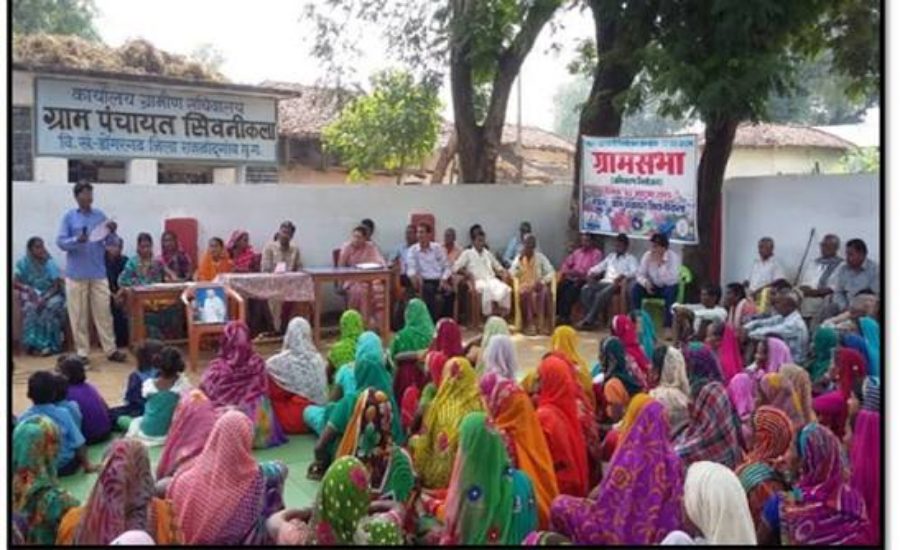
Gram Sabha Process to Begin on October 2
The formal planning exercise will begin in Gram Sabhas across Chhattisgarh on October 2.
Villagers will be provided information about basic Gram Panchayat data, maps, permissible works and the process of preparing the development plan. Discussions will also cover development gaps in villages, water budgets and recommended works identified through the E-Jal Portal.
The Gram Sabhas will also identify physical assets that exist on the ground but are missing from digital government records.
A process and timeline for Participatory Rural Appraisal and community consultation will be established at the settlement, ward and village levels so that more residents can participate in preparing the plan.
Read also: Chhattisgarh Govt to Prepare Village Development Plans Through Gram Sabhas From October 2
October-November to Focus on Direct Village-Level Consultations
Preparatory work for the Viksit Gram Panchayat Yojana will include training officials and employees and preparing baseline Gram Panchayat data using different map layers available on the Yuktdhara Portal.
During October and November, meetings will be held at settlement and ward levels to directly engage with villagers.
These consultations will seek information and suggestions on:
- Problems faced by villagers and gaps in essential facilities
- Available natural and physical resources
- Existing village assets
- Proposed development works and their possible locations
Officials will also conduct physical verification of assets during this phase. Assets found on the ground but missing from digital records will be entered on the Yuktdhara Portal.
Development gaps identified through community consultations will also be marked on digital maps, helping officials identify the possible locations of proposed works.
Yuktdhara is a GIS-based planning tool that uses geospatial information and analytical inputs to support scientific identification and prioritisation of permissible works under the Viksit Gram Panchayat Plan.
Draft Plan to Reach Gram Sabha in December
The draft Viksit Gram Panchayat Yojana will be prepared using land and area-level assessments and presented before the Gram Sabha in December.
The draft will include details of proposed development works, their possible locations and other relevant information. Proposed works linked to individual beneficiaries will also be discussed.
Villagers will have an opportunity to provide suggestions and participate in discussions before the plan is finalised.
If changes are required, proposals can be modified based on community feedback. Works considered unsuitable can also be removed, while new works can be added according to local priorities.
The final plan will then be formally approved through a resolution passed by the Gram Sabha.
Block and District Consolidation by January 15
Once Gram Panchayats approve their plans, they will be forwarded for consolidation at the block level.
The block-level exercise will bring together development plans from different Gram Panchayats and include information on implementing agencies and convergence with various government schemes.
The consolidated block plans will subsequently be integrated at the district level.
The entire block and district-level consolidation process is scheduled to be completed by January 15.
This process is intended to connect village-level priorities with larger development plans at the block and district levels rather than treating individual village projects separately.
Water Security and Rural Infrastructure in Focus
The Viksit Gram Panchayat Yojana will give priority to works based on the specific needs of villages.
Key areas include water security, rural infrastructure, livelihood-related infrastructure and measures to reduce the impact of adverse weather events.
The planning exercise will assess the natural and physical resources available in each village. Community suggestions will then help identify projects that can address local needs and support rural development.
The approach is also consistent with the broader national framework under the VB-G RAM G Act, 2025, which provides for participatory Viksit Gram Panchayat Plans and their subsequent consolidation at intermediate and district levels.
Gram Sabha to Have a Central Role
The Gram Sabha will remain central throughout the planning process.
Instead of only receiving information about government schemes, villagers will participate in identifying gaps, suggesting works and deciding local priorities.
Each proposed work will undergo site verification and community consultation before being placed before the Gram Sabha for final approval.
This means that the plan can change according to local feedback. New works can be included where a genuine need is identified, while proposals that do not suit local conditions can be dropped.
Digital Mapping to Support Village Planning
A major feature of the exercise is the use of digital records and mapping.
The Yuktdhara Portal will support the preparation of baseline information, asset mapping and identification of proposed project locations. Physical verification will help authorities update digital records with assets that may have been missed earlier.
The use of geographic and local-level information is intended to make village planning more evidence-based while ensuring that community feedback remains part of the process.
The Centre has also stated that capacity-building programmes for the Viksit Gram Panchayat Plan are being conducted through national, state, district, block and Gram Panchayat-level training structures, including training on technology-enabled planning and Yuktdhara.
From Village Priorities to District Plans
The Chhattisgarh exercise will therefore follow a multi-stage process — beginning with Gram Sabha discussions on October 2, continuing with settlement and ward-level consultations during October and November, moving to draft plans in December and ending with block and district-level consolidation by January 15.
The approach places local communities at the centre of identifying development priorities while connecting their proposals with implementing agencies and broader government schemes.
For rural Chhattisgarh, the initiative could provide a more structured way to identify infrastructure gaps, improve water planning, record existing assets and prioritise livelihood and climate-resilience works. Its effectiveness will depend on the quality of community participation, field verification and implementation after the plans receive Gram Sabha approval.