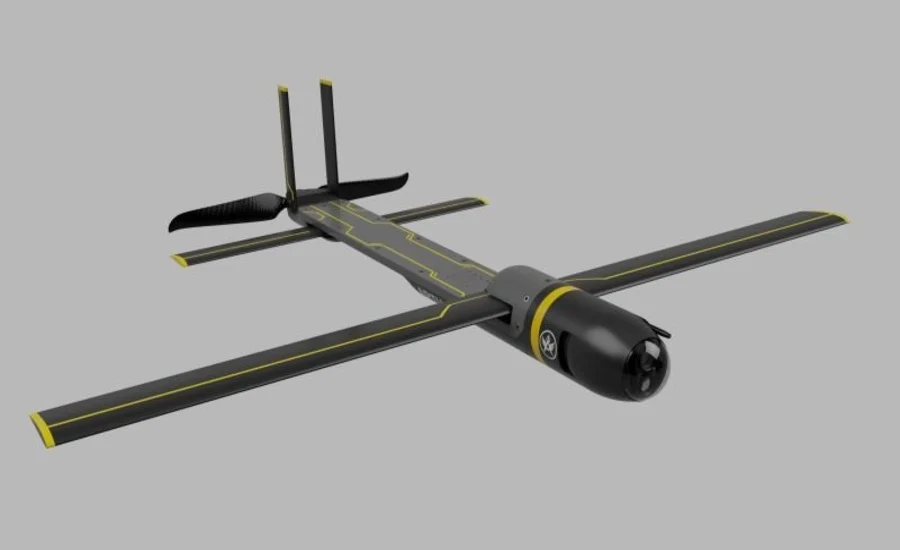
New Delhi: The Sharanga Tactical Loitering Munition is being developed by Bengaluru-based defence technology startup ArthX for the Indian Army. The new indigenous system is designed to provide precision strike capability at extended ranges while remaining lightweight, portable, and easy to deploy in battlefield conditions.
According to reports, Sharanga is part of India’s growing focus on indigenous drone and loitering munition technologies under the Atmanirbhar Bharat initiative.
The development comes at a time when the Indian Armed Forces are increasing investments in loitering munitions and autonomous strike systems to enhance battlefield effectiveness and reduce dependence on imports.
What Is Sharanga Tactical Loitering Munition
Sharanga is a tube-launched tactical loitering munition designed for rapid deployment in combat situations. The system can be launched from a compact tube, allowing soldiers to carry and deploy it quickly in different operational environments.
Read also: Heron UAV Fleet Upgrade: Why Is The Indian Army Repairing Old Heron UAVs Instead Of Buying New Ones
Unlike conventional artillery systems, loitering munitions can remain airborne over a target area, search for targets, and strike once a suitable target is identified. This capability significantly improves battlefield flexibility and precision.
What are the Features Of Sharanga
Tube-Launched Design
The compact tube-launch configuration makes transportation and deployment easier for infantry and artillery units. The launch tube also protects the munition before deployment and helps reduce logistical challenges in the field.
AI-Assisted Target Recognition
Sharanga is expected to feature advanced guidance technologies, including electro-optical sensors and AI-assisted target recognition systems. These technologies will help identify high-value targets and conduct precision strikes with minimal collateral damage.
Autonomous Operations
The system is being designed with autonomous target acquisition capabilities. This feature can reduce dependence on external guidance and improve survivability in electronic warfare environments where communication links may be disrupted.
Modular Payload Capability
ArthX has emphasized modularity in Sharanga’s design. The platform is expected to support different warhead configurations, allowing commanders to tailor the system for specific missions and operational requirements.
Why Loitering Munitions Are Important
Loitering munitions have become one of the most important technologies in modern warfare. Recent conflicts around the world have shown how these systems can combine surveillance and strike capabilities into a single platform, enabling rapid and accurate attacks against enemy targets.
Unlike traditional artillery, these systems can search for targets after launch and engage them only when necessary. This improves precision and reduces unintended damage.
How Sharanga Tactical Loitering Munition Could Support The Indian Army
The Indian Army has already inducted several indigenous loitering munition systems and continues to expand its precision-strike capabilities. Recent procurement plans include hundreds of indigenous loitering munitions for artillery and tactical operations. Sharanga is expected to complement these capabilities by offering:
Rapid Battlefield Deployment
The tube-launched configuration enables soldiers to deploy the system quickly during combat operations. This can be particularly useful in high-intensity and fast-moving tactical situations.
Enhanced Precision Strike Capability
With AI-enabled target recognition and advanced sensors, Sharanga could engage targets with greater accuracy. This capability is especially valuable in contested border regions and counter-insurgency operations.
Reduced Operational Costs
The system is being developed with a focus on affordability and operational flexibility. An indigenous design could help reduce procurement costs while strengthening domestic defence manufacturing.
Contribution To Atmanirbhar Bharat
Sharanga is part of India’s broader effort to strengthen indigenous defence production. ArthX has reportedly worked with local suppliers and MSMEs to ensure that the system can be manufactured within India, supporting the country’s self-reliance goals in defence technology.
The project also highlights Bengaluru’s growing role as a hub for advanced defence innovation and military technology development.
Read also: What Is the Indian Army’s MUM-T System and Why the Indian Army Is Investing in This Technology
FAQs
Sharanga is a tube-launched tactical loitering munition being developed by Bengaluru-based startup ArthX for the Indian Army. It is designed for rapid deployment and precision strike missions.
Unlike traditional artillery, Sharanga can remain airborne, search for targets, and strike when a suitable target is identified, improving accuracy and flexibility.
Sharanga supports defence modernisation by providing an indigenous, AI-enabled precision strike platform that aligns with India’s Atmanirbhar Bharat and defence self-reliance goals.