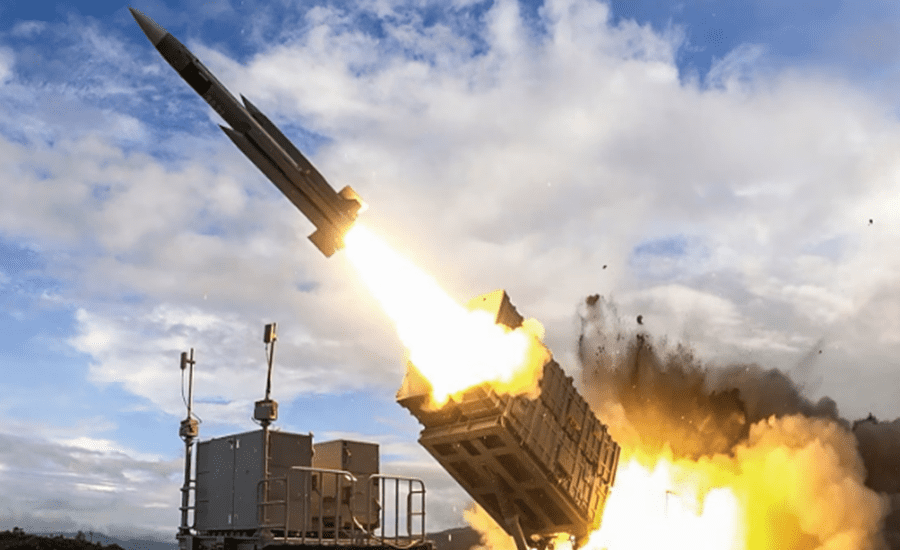
The Defence Research and Development Organisation (DRDO), in close collaboration with the Indian Air Force (IAF), is advancing an air-launched variant of the BrahMos cruise missile with an extended range of 800 km. Weighing about 2.3 tons and designed without a booster, the BrahMos-ER (Extended Range) promises to reshape theatre-level deterrence and operational planning by allowing strike aircraft to engage deep targets while remaining well outside the most dangerous rings of enemy air-defence systems.
From proven sea-skimming lethality to extended reach
Anti-ship and land-attack BrahMos variants have long been central to India’s strike toolkit. Building on a string of successful tests, including an 800 km demonstration off the Odisha coast in June 2025, the BrahMos-ER incorporates an advanced ramjet, a composite fuel tank that reduces drag, and precision terminal guidance. These improvements reduce missile detectability and increase survivability against layered air-defence networks.
Lightweight, booster-less design enables wider aircraft integration
A core development objective has been compatibility with frontline fighters. By removing the booster and optimising structural materials, engineers have cut the system weight to roughly 2.3 tons — a load compatible with Su-30MKI hardpoints and expected to be installable on other fighters such as Rafale and future Tejas Mk2 variants. The lighter, booster-less configuration expands sortie planning options and increases operational flexibility without compromising range or lethality.
Stealth features and AI-enabled terminal manoeuvres
To improve mission success against integrated air-defence systems, the air-launched BrahMos-ER will incorporate radar-absorbing shaping and edge treatments. DRDO developers are also integrating AI-assisted terminal flight controls to execute adaptive manoeuvres during the final phase, increasing the probability of penetrating sophisticated interception systems.
Strategic implications: deeper reach, safer launch lanes
Operational planners say the 800 km strike radius effectively extends the IAF’s deep-strike footprint, allowing forces to engage high-value targets from safer stand-off positions — for example, from island bases or airfields well behind the frontline. The combination of long range, high speed, and smart terminal guidance also complicates adversary planning, forcing investment in more dispersed and resilient defensive postures and strengthening deterrence through denial.
Lessons from the field: validating concepts under operational conditions
Analysts note that prior BrahMos employment and test data have demonstrated the missile’s sea-skimming profile and high-speed penetration capabilities. The ER variant’s successful trials validate the path of incremental capability upgrades: improved propulsion and materials science, coupled with avionics and algorithmic navigation, yield significant force-multiplying effects without requiring entirely new platforms.
Bureaucratic and developmental dimensions: interagency collaboration and indigenous capability
The BrahMos-ER programme highlights successful inter-service and government research collaboration, aligning DRDO’s technological roadmap with IAF operational requirements. This project also contributes to national defence-industrial development by promoting advanced materials, propulsion technologies, and autonomous guidance systems within the domestic supply chain—strengthening strategic autonomy while supporting high-skill employment and technology transfer across defence public sector units and private industry partners.
Next steps and oversight
The remaining steps include final integration trials on combat aircraft, certification for operational deployment, and necessary doctrinal updates for employment and command-and-control. Services and defence acquisition authorities will also finalise logistics, training pipelines, and maintenance support to ensure rapid, reliable induction into frontline squadrons.