17 October 2026
ADVERTISEMENT
ADVERTISEMENT

How Anti-Ship Missiles Are Redefining Global Naval Power: Inside the New Era of Maritime Warfare and India’s Strategic Edge

Anti-ship missiles are redefining naval warfare. With systems like BrahMos, India is gaining a strong strategic edge in the Indo-Pacific
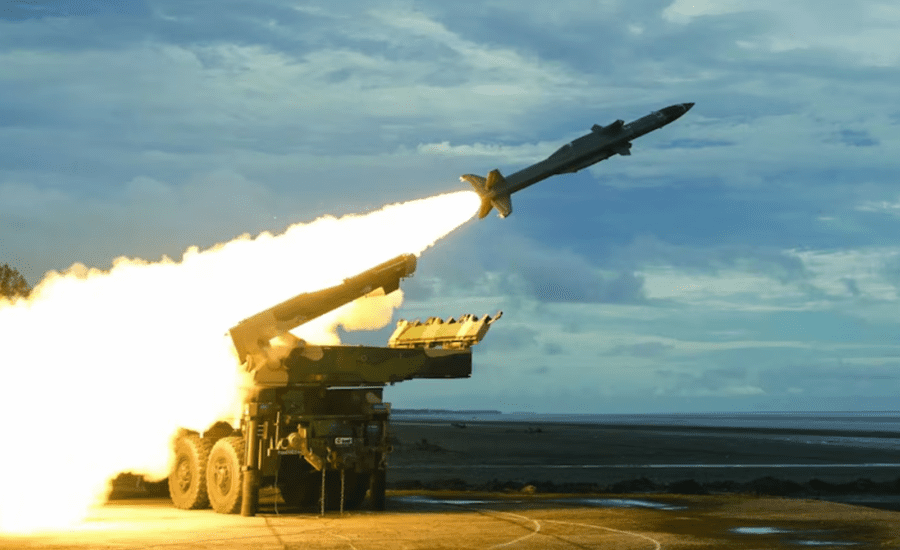
BrahMos Missile System
Indian Masterminds Stories

The rapidly evolving capabilities of anti-ship missiles are transforming naval warfare and reshaping the global maritime balance. Defense experts assert that these precision-guided weapons are becoming the cornerstone of modern naval deterrence, altering how nations project power at sea.

Anti-ship missiles are designed specifically to destroy warships, submarines, and naval assets. They can be launched from ships, submarines, aircraft, or even land-based platforms. Flying close to the ocean surface, these missiles remain nearly invisible to radar systems, making them extremely hard to detect or intercept.

Also Read: India Set to Supply BrahMos Missiles to Indonesia in $450 Million Deal, Final Nod Awaited from Russia – Pact That Could Redefine Indo-Pacific Power

From World War II to Hypersonic Precision

The story of anti-ship missiles began during World War II, when Nazi Germany developed the first radio-guided weapons. Since then, missile technology has advanced exponentially. Today’s variants are capable of flying at supersonic and even hypersonic speeds, reaching beyond Mach 5 and delivering pinpoint strikes.

The India-Russia-developed BrahMos missile is a key example of this technological leap. With speeds exceeding Mach 3 and strike ranges beyond 400 kilometers, BrahMos combines speed, stealth, and precision, offering India a critical strategic advantage in the Indo-Pacific region.

The Next Generation of Smart Missiles

Modern anti-ship missiles are now equipped with state-of-the-art technologies, including GPS guidance, radar seekers, infrared homing, and artificial intelligence (AI)-based navigation systems. Some are designed for “swarm” operations—where multiple missiles coordinate autonomously to overwhelm enemy defenses.

This new generation of missiles is forcing global navies to adopt multi-layered defensive systems, integrating close-in weapon systems (CIWS), electronic warfare capabilities, and stealth designs to protect critical assets.

Naval Strategies Under Transformation

The growing lethality of anti-ship missiles has prompted a complete strategic rethink in maritime defense doctrines worldwide. Nations are now investing heavily in long-range deterrence, unmanned strike groups, and electronic countermeasures.

Countries like India are at the forefront of this transformation. The Indian Navy’s modernization plan includes deploying advanced anti-ship missile systems on destroyers, frigates, and aircraft to strengthen deterrence across the Indian Ocean Region. This modernization not only enhances combat readiness but also aligns with India’s broader vision of becoming a blue-water navy.

India’s Strategic Edge in the Indo-Pacific

India’s investment in technologies like BrahMos and its indigenous missile development programs signal a decisive move toward self-reliance and maritime dominance. With growing geopolitical tensions and increased naval activity in the Indo-Pacific, these advancements provide India with a significant strategic and defensive advantage.

According to defense analysts, the development and deployment of such advanced weapon systems represent not just technological progress, but also an assertion of national security autonomy.

Toward the Future of Naval Warfare

As global powers race to enhance their missile defense and strike capabilities, the role of anti-ship missiles will only continue to grow. Their evolution symbolizes the ongoing shift from traditional naval combat to high-speed, technology-driven maritime warfare—where information, precision, and timing determine victory.

The future of naval power, experts agree, will belong to those who can integrate smart weaponry, real-time intelligence, and resilient defense systems into one seamless maritime strategy.


Also Read: Operation Chhatru Update: Joint Deployment of The Jammu & Kashmir Police, The Indian Army’s White Knight Corps and the CRPF Crushed Terror Hideouts


Indian Masterminds Stories
Join our WhatsApp Channel
ADVERTISEMENT
ADVERTISEMENT
Related Stories
ADVERTISEMENT
ADVERTISEMENT
NEWS
DFCCIL logo
DFCCIL MD Selection: PESB Recommends No Candidate, Ministry to Decide Next Steps 
RailTel SD-WAN Order
RailTel Bags ₹18.99 Crore Order from Health Insurance TPA of India for IT and Cybersecurity Solutions 
RIMS Ranchi New Departments
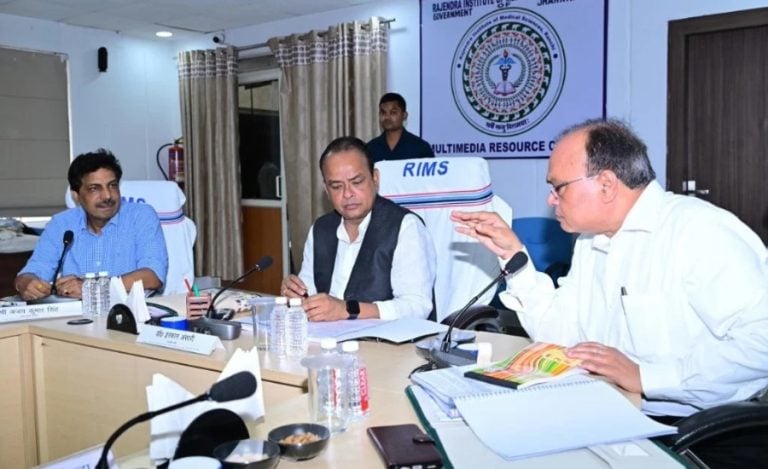
Jharkhand’s RIMS Plans 10 New Departments at ₹466 Crore, Proposes 256 PG and 150 Super-Speciality Seats
India’s Space Economy
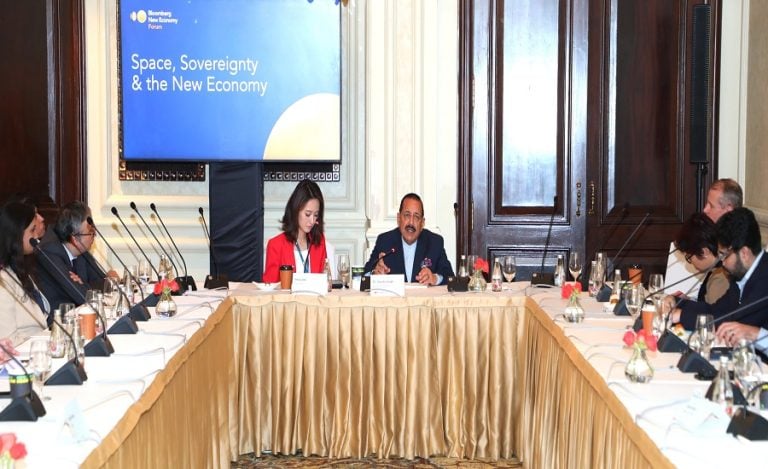
India’s Space Economy to Reach USD 40–45 Billion in 7–8 Years as Private Investment Rises: Jitendra Singh 
Hemant Soren ₹10 Lakh Medical Aid
Jharkhand CM Hemant Soren Provides ₹10 Lakh Medical Aid to Six-Year-Old for Ear Treatment
PMGSY Bihar rural road connectivity
Bihar Plans Plus Two Education for Madhyama-Pass Students, Orders Inspection of Sanskrit Schools and Madrasas
Delhi-NCR Air Pollution Solutions
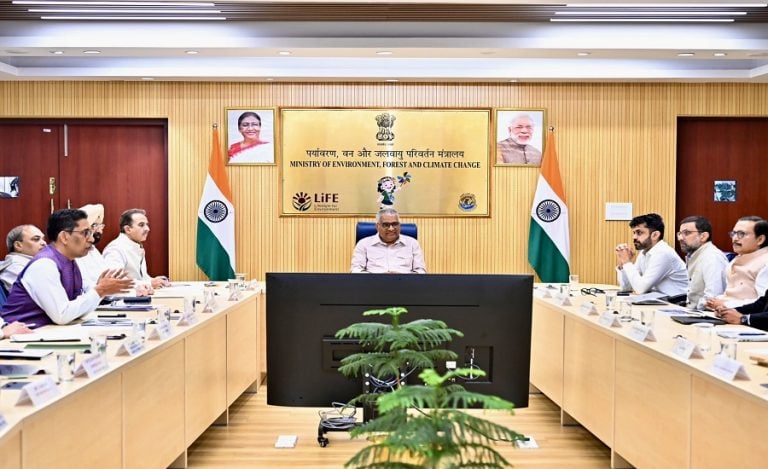
Delhi-NCR Air Pollution: Bhupender Yadav Engages Start-ups to Explore Affordable, Technology-Driven Solutions 
Jammu and Kashmir Police (J&K Police)
J&K Police Reshuffle: 6 IPS Officers Get New Postings, 12 DSPs Transferred; Aditi Verma Named SDPO West Srinagar
ADVERTISEMENT
ADVERTISEMENT
Videos
Dr Saket Badola IFS
Beyond Tigers and Safaris: How Corbett Literature Festival Wants to Change the Conservation Conversation
PK Jena
Why Technology Cannot Replace Human Connection in Governance: P.K. Jena
PK Jena
The IAS Officer Who Put People Before Paperwork: How PK Jena Challenged Corruption and Reformed Governance
ADVERTISEMENT
UPSC Stories
Umar Janj UPSC CAPF
15+ Failures Couldn’t Stop Him: Umar Janj Secures AIR 160 in UPSC CAPF 2025
After multiple SSB setbacks, a CAPF interview miss by 12 marks and more than 15 failures, Umar Janj secured...
Aayush Sharma
Three CDS Attempts, Five AFCAT Qualifications & Medical Setback: How Aayush Sharma Secured CAPF AIR 135
After three unsuccessful SSB attempts, five AFCAT qualifications and a medical setback, Aayush Sharma...
Tushar Chaudhary IRMS
He Left Intel, Built COPAL-19, Spent Months at AIIMS, Ran Half Marathons, and Returned to UPSC—Tushar Chaudhary’s Journey to IRMS
UPSC ESE AIR 4 Tushar Chaudhary left a ₹25 LPA Intel job, built COPAL-19, spent months at AIIMS, ran...
CSR NEWS
NBCC India CSR Award 2026
NBCC India Wins Award for Excellence in CSR at 4th Fortune Leadership Awards 2026
The recognition honours NBCC’s community welfare initiatives and efforts to improve healthcare accessibility...
HURL ALIMCO
HURL Signs MoU with ALIMCO to Support Divyangjans and Senior Citizens in Gorakhpur, Barauni and Sindri
Under its CSR initiative, HURL will support PMD-VK Gorakhpur and facilitate the distribution of need-based...
MDL CSR Support to Divyasha Vayoshri Kendra
MDL Extends ₹3.79 Crore CSR Support to Divyasha Vayoshri Kendra in Mumbai
The initiative will strengthen access to assistive devices, prosthetics and rehabilitation services for...
ADVERTISEMENT
ADVERTISEMENT
ADVERTISEMENT
Latest
DFCCIL logo
DFCCIL MD Selection: PESB Recommends No Candidate, Ministry to Decide Next Steps 
RailTel SD-WAN Order
RailTel Bags ₹18.99 Crore Order from Health Insurance TPA of India for IT and Cybersecurity Solutions 
ADVERTISEMENT
ADVERTISEMENT
ADVERTISEMENT
ADVERTISEMENT
ADVERTISEMENT
ADVERTISEMENT
ADVERTISEMENT
Videos
Dr Saket Badola IFS
PK Jena
PK Jena
ADVERTISEMENT
ADVERTISEMENT