New Delhi: Honeywell Aerospace plans to deliver eight TPE331-12B engines to Hindustan Aeronautics Limited (HAL) for India’s HTT-40 trainer aircraft by the end of 2026. The Honeywell HTT-40 engine delivery programme is expected to support the Indian Air Force’s pilot training needs and help HAL increase aircraft production.
The company aims to supply the first 16 engines ahead of its original mid-2029 deadline. It is also working to resolve supply chain problems and exploring opportunities to expand engine manufacturing, maintenance and technical capabilities in India.
Indian HTT-40 Trainer Programme: Honeywell Speeds Up HTT-40 Engine Deliveries To HAL
Honeywell Aerospace, a US-based aerospace company, is working to speed up engine deliveries to HAL for the HTT-40 basic trainer aircraft. The latest plan is expected to help address an important challenge affecting the aircraft production programme.
Read also: How The Tata Projects-MDS Aero Partnership Is Supporting India’s Aerospace Growth
According to the company’s announcement reported by Business Standard on October 8, 2026, four engines had already been delivered. Honeywell expects the total number to reach eight by the end of 2026.
The company also plans to supply another eight engines by mid-2027, taking its total direct supply to 16 engines. This would put the initial engine supply programme ahead of its original schedule.
Matt Milas, President of Defence and Space at Honeywell Aerospace, said the company was making progress in addressing supply chain difficulties and expected to complete the initial engine deliveries earlier than planned.
What Is The HTT-40 Aircraft
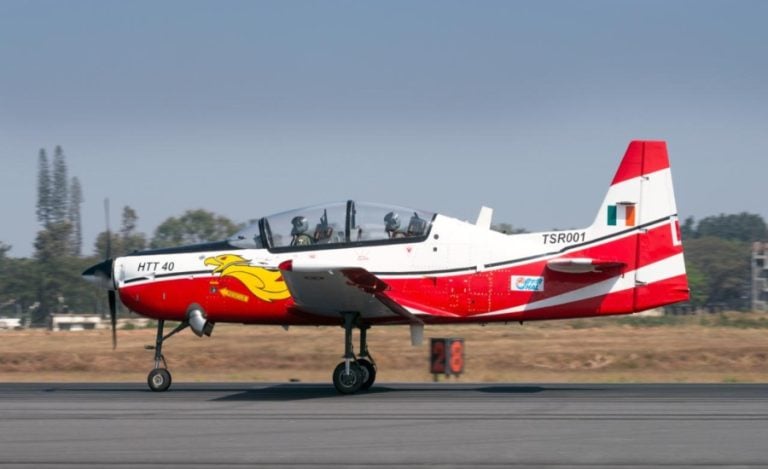
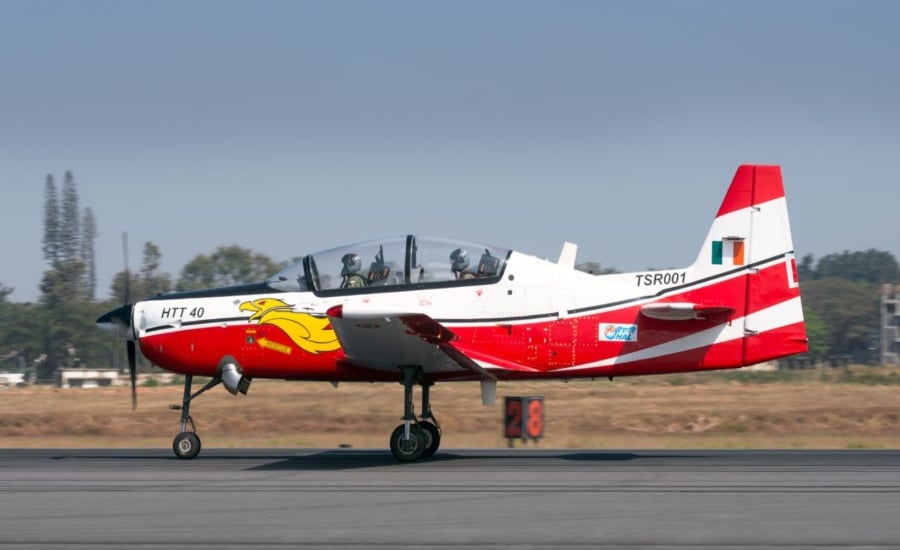
The Hindustan Turbo Trainer-40, also known as the HTT-40, is a basic trainer aircraft developed by Hindustan Aeronautics Limited.
It is designed to train new military pilots in the early stages of their flying careers. After completing basic training, pilots can move on to more advanced military aircraft.
The HTT-40 is powered by Honeywell’s TPE331-12B turboprop engine. This engine uses a gas turbine to drive a propeller, which helps the aircraft fly.
The aircraft has a modern glass cockpit, which uses digital displays to show important flight information. It is designed for basic flying lessons and training activities such as navigation, instrument flying and aerobatics. The HTT-40 is an important part of India’s efforts to develop and manufacture more defence equipment within the country.
HAL And Honeywell Signed A Deal Worth More Than $100 Million
HAL and Honeywell signed a contract worth more than $100 million in July 2022. The agreement covers the supply and manufacture of 88 TPE331-12B engines and engine kits, along with maintenance and support services. These engines are intended to power the HTT-40 aircraft being developed for the Indian Air Force.
Under the agreement, Honeywell will directly supply the first 16 engines. After this initial supply, technology transfer arrangements are expected to help HAL assemble engines in India and expand its maintenance and repair capabilities. The broader agreement covers 88 engines and engine kits, while the first 16 engines form the initial direct supply commitment from Honeywell.
Supply Chain Problems Had Delayed Engine Deliveries
The HTT-40 programme has faced challenges because of delays in receiving engines. These delays affected the availability of engines needed for aircraft production.
Honeywell said supply chain difficulties included problems with the availability of two engine components after a fire destroyed a supplier’s facility. To address the issue, the company has worked to identify alternative suppliers and increase production capacity. It has also placed its employees at supplier facilities to help manufacture parts and improve delivery timelines.
These steps are intended to make the supply chain more reliable and reduce the risk of future delays. A more dependable engine supply could help HAL plan aircraft production more effectively and support the Indian Air Force’s training requirements.
Technology Transfer Could Boost Indian HTT-40 Trainer Programme
Technology transfer means sharing technical knowledge and manufacturing skills so that another company can produce, assemble or maintain equipment.
Under the HAL-Honeywell agreement, technology transfer is expected to help HAL take on a greater role in engine assembly and maintenance after the first 16 engines are supplied directly.
This could help Indian engineers develop more experience in engine production, repair and long-term support. However, the detailed timeline and scope of the technology transfer are still being worked out. The extent of local manufacturing will depend on the final arrangements between the two companies.
Why Is The HTT-40 Important For The Indian Air Force
The HTT-40 is designed to meet the basic flying training needs of military pilots. It allows trainees to learn essential flying skills before moving to more advanced aircraft.
A steady supply of engines is important because HAL needs these engines to build and deliver the aircraft. The programme also supports India’s wider goal of increasing domestic defence manufacturing and reducing dependence on foreign suppliers.
If engine deliveries improve as planned, HAL could have more flexibility to increase production and meet future delivery commitments.
Honeywell Explores More Opportunities In India
Honeywell Aerospace is also exploring wider opportunities in India’s aerospace and defence sectors.
The company has shown interest in working with established Indian businesses and startups on technologies such as autonomous systems, unmanned aircraft, navigation systems and electronic warfare equipment. It is also considering opportunities related to engine maintenance, component production and overhaul services.
These areas could create opportunities for Indian companies to develop technical expertise and participate in the aerospace supply chain. Honeywell’s wider plans show that its relationship with India may extend beyond supplying engines for the HTT-40 programme.
FAQs
India’s HTT-40 basic trainer aircraft uses Honeywell’s TPE331-12B turboprop engine. It powers the aircraft used for the initial stages of military pilot training.
Honeywell Aerospace expects to deliver eight TPE331-12B engines to HAL by the end of 2026, including four engines already delivered. Another eight engines are planned for delivery by mid-2027.
HAL and Honeywell signed a contract worth more than $100 million in July 2022. The agreement covers 88 TPE331-12B engines and engine kits, along with maintenance and support services for the HTT-40 programme.