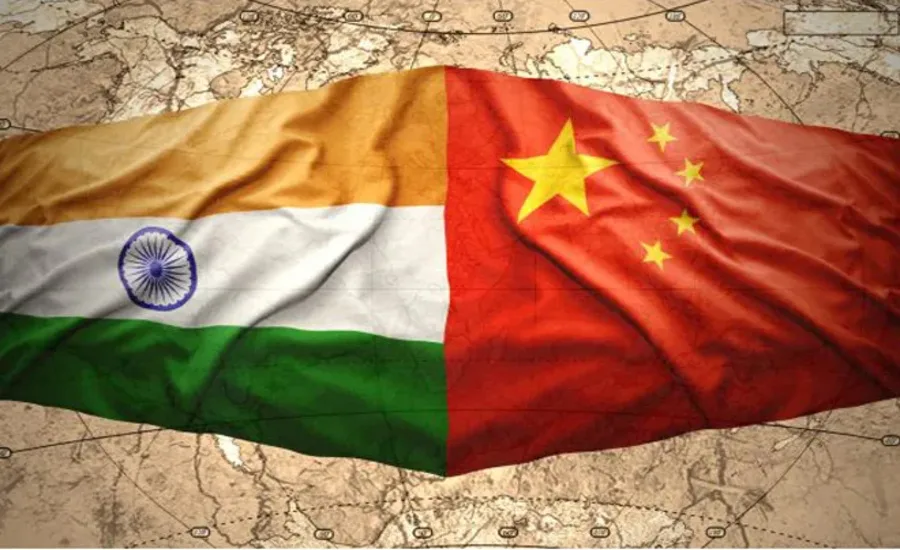
Arunachal Pradesh: The India-China senior military commander-level flag meeting was held for the first time in the Arunachal Pradesh sector of the Line of Actual Control (LAC), marking an important step in improving military communication and border management between the two countries. According to the Ministry of External Affairs (MEA), the meeting followed recent agreements reached by both sides through diplomatic and military dialogue mechanisms.
The development comes as India and China continue efforts to maintain peace and stability along their disputed border while strengthening confidence-building measures.
First-Ever India-China Senior Military Commander-Level Flag Meeting In Arunachal Sector
MEA spokesperson Randhir Jaiswal confirmed that the first senior military commander-level flag meeting in the Arunachal Pradesh sector took place between Indian and Chinese military officials.
The meeting was held at Wacha on the Indian side of Arunachal Pradesh on September 6 and at Damai on the Chinese side on September 7.
The discussions were conducted under the framework of understandings reached between the Special Representatives of India and China and subsequent meetings of the Working Mechanism for Consultation and Coordination (WMCC) on border affairs.
What Makes India-China Senior Military Commander-Level Flag Meeting Significant
This was the first time that such a high-level military commander meeting was organized in the Arunachal sector of the LAC.
Until now, similar commander-level interactions were mainly associated with the western sector, where tensions have been more prominent in recent years.
The new mechanism is expected to improve communication, reduce misunderstandings, and strengthen local-level military coordination.
Background Of Recent India-China Border Engagement
The latest meeting follows a series of diplomatic engagements between New Delhi and Beijing over the past year.
In August 2026, India and China held discussions through the WMCC mechanism after earlier consultations conducted in Beijing and New Delhi.
These meetings focused on border management, confidence-building measures, and maintaining stability along the LAC.
Role Of Special Representatives
The foundation for the latest flag meeting was laid during discussions between India’s National Security Adviser Ajit Doval and Chinese Foreign Minister Wang Yi. Both leaders serve as Special Representatives on the India-China Boundary Question.
During their discussions, they reviewed the border situation and broader bilateral relations while emphasizing the importance of maintaining peace and tranquility in border regions.
Progress Since The Kazan And Tianjin Understandings
According to the MEA, both countries acknowledged progress in implementing agreements reached between Prime Minister Narendra Modi and Chinese President Xi Jinping.
These understandings emerged from their meetings in Kazan in October 2024 and Tianjin in August 2025.
The two sides have worked to restore people-to-people exchanges and cross-border cooperation while maintaining dialogue on unresolved boundary issues.
India-China Senior Military Commander-Level Flag Meeting: Focus On Peace And Stability
India reiterated that peace and tranquility along the border are essential for the overall development of bilateral relations.
The Indian side stressed that stable border conditions create a positive environment for economic, diplomatic, and cultural engagement between the two countries.
China also expressed support for continued dialogue and practical cooperation through existing mechanisms.
Importance Of Working Mechanism for Consultation and Coordination In Border Management
The Working Mechanism for Consultation and Coordination (WMCC) remains one of the most important platforms for managing India-China border issues.
The mechanism brings together diplomatic and military officials from both countries to discuss border management and confidence-building measures.
The 36th WMCC meeting, held in New Delhi, reviewed the situation along the LAC and explored ways to improve cooperation and communication.
Existing Communication Channels Remain Active
Both countries agreed to continue using established diplomatic and military communication channels.
These include local commander-level meetings, WMCC consultations, and other agreed mechanisms designed to prevent misunderstandings and avoid escalation.
Officials also discussed the need to convene the next Expert Level Mechanism meeting focused on trans-border rivers and technical cooperation.
Strategic Impact Of The India-China Senior Military Commander-Level Flag Meeting
The first senior commander-level flag meeting in the Arunachal sector represents an important confidence-building measure.
It demonstrates that both countries are willing to expand military communication mechanisms beyond traditional areas of engagement. Defence analysts believe such meetings can help address local concerns quickly and contribute to long-term border stability.
FAQs
The meeting improves military communication, strengthens confidence-building measures, and helps both countries manage border issues more effectively along the LAC.
The meeting was held at Wacha in Arunachal Pradesh on the Indian side on September 6 and at Damai on the Chinese side on September 7.
The Working Mechanism for Consultation and Coordination (WMCC) facilitates diplomatic and military discussions on border management, confidence-building measures, and maintaining peace along the LAC.