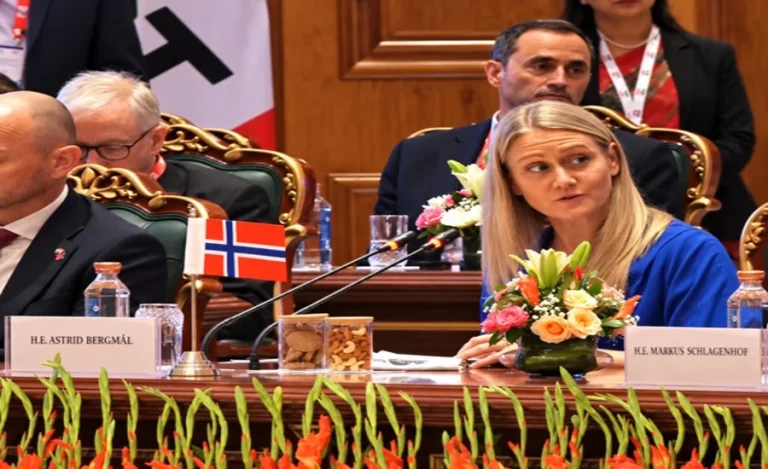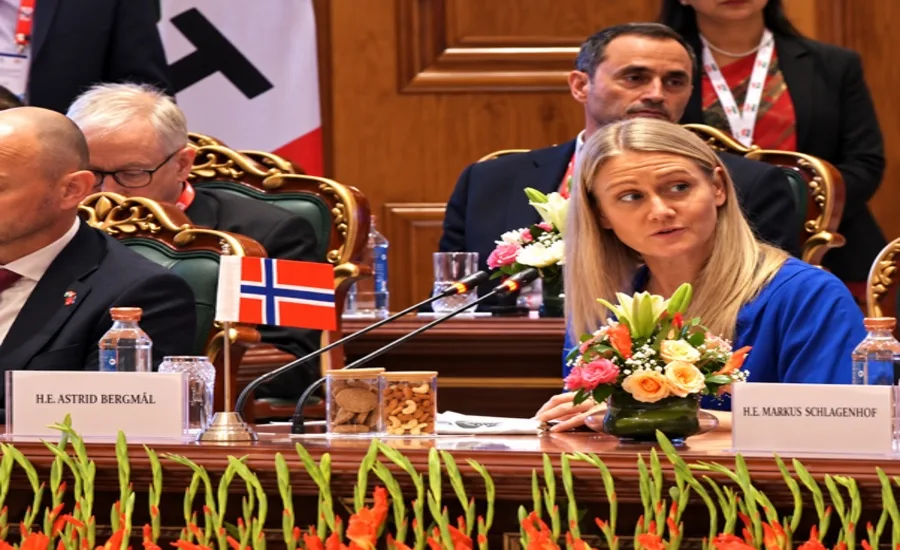
New Delhi: India–Norway trade and maritime cooperation were key topics during Norwegian State Secretary Astrid Bergmål’s visit to New Delhi for the 2nd India–EFTA Prosperity Summit 2026. The summit brought together government officials and business leaders from India and European Free Trade Association (EFTA) countries to explore new opportunities for trade, investment and economic growth.
The discussions focused on strengthening economic relations, improving business partnerships and creating new opportunities for cooperation between India and Norway.
India-EFTA Summit 2026 Focuses On Economic Growth
The 2nd India–EFTA Prosperity Summit was held on October 7, 2026, at Bharat Mandapam in New Delhi. The event marked the first anniversary of the India–EFTA Trade and Economic Partnership Agreement (TEPA), which came into force on October 1, 2025.
The summit brought together senior government officials, ministers, business representatives and industry leaders from India and the four EFTA member countries.
These countries are Norway, Switzerland, Iceland and Liechtenstein. The participants discussed ways to increase trade, encourage investment and build stronger economic partnerships.
India-EFTA Summit 2026: Astrid Bergmål Highlights India–Norway Cooperation
Norwegian State Secretary Astrid Bergmål participated in discussions aimed at strengthening economic ties between India and Norway. Trade, investment and maritime cooperation were among the key areas of engagement during her visit to New Delhi.
The meeting also provided an opportunity for government representatives and businesses to explore areas where the two countries could work together more closely.
Norway has an established business presence in India, with companies operating across different sectors. Stronger cooperation could support business expansion, technology exchange and new investment opportunities.
India-EFTA Summit 2026 Opens New Opportunities
The India–EFTA Trade and Economic Partnership Agreement is an important framework for improving economic relations between India and the four EFTA countries.
The agreement aims to improve market access, support investment and make it easier for businesses to expand into each other’s markets.
It also includes an investment objective of $100 billion from EFTA countries into India over 15 years and aims to facilitate the creation of one million direct jobs in India during the same period. These are targets under the agreement, not a guarantee that all investments or jobs will be created.
For Indian businesses, the agreement offers opportunities to reach high-income European markets. EFTA companies can also explore India’s large consumer market, skilled workforce and manufacturing capabilities.
Maritime Cooperation Remains An Important Priority
Maritime cooperation was one of the key areas highlighted during the engagement between India and Norway.
The maritime sector includes shipping, ports, marine services and other activities connected with sea-based trade. Stronger cooperation in this area can help improve business connections and support international commerce.
India and Norway can also explore opportunities in related areas, including maritime technology, sustainable shipping and ocean-based industries.
The summit’s focus on the blue economy and maritime excellence provided a platform for businesses and government representatives to discuss possible areas of collaboration. However, the discussions do not necessarily mean that new maritime projects or agreements have already been finalised.
India-EFTA Summit 2026 Explores Investment And Business Partnerships
The summit also included business-to-business meetings covering several important sectors.
These discussions focused on smart and advanced manufacturing, healthcare and life sciences, the blue economy and maritime excellence, and clean energy and climate innovation. These sectors offer opportunities for companies to share expertise, develop partnerships and explore investment projects.
The meeting also gave businesses an opportunity to understand market conditions and identify areas where cooperation could support long-term growth. For India, stronger partnerships with EFTA countries could help attract investment, improve access to advanced technologies and support industrial development.
What India-EFTA Summit 2026 Means For Businesses
Stronger India–Norway economic relations could create opportunities for businesses in both countries. Indian exporters may benefit from improved access to European markets, while Norwegian companies could explore India’s growing demand for technology, manufacturing and specialised services.
Small businesses and exporters may also find new opportunities if they can meet international quality standards and understand the requirements of overseas markets. The actual benefits will depend on how effectively businesses use the trade agreement and turn discussions into commercial projects.
What Happens Next In India–EFTA Relations
The 2nd India–EFTA Prosperity Summit highlighted the importance of turning trade agreements and diplomatic discussions into practical business outcomes.
India and the EFTA countries will need continued cooperation among governments, investors and businesses to make the most of the agreement. Areas such as manufacturing, healthcare, clean energy and maritime services could remain important parts of this partnership.
For India and Norway, stronger trade and investment ties could support economic growth and open new avenues for cooperation in the coming years.
Read also: India-Norway Green Strategic Partnership: Key Agreements, Benefits & Global Impact
FAQs
Astrid Bergmål is a Norwegian State Secretary in the Ministry of Foreign Affairs. She participated in the 2nd India–EFTA Prosperity Summit in New Delhi to engage on areas of cooperation between India and Norway.
The 2nd India–EFTA Prosperity Summit was held on October 7, 2026, in New Delhi. It brought together Indian and EFTA government officials and business leaders to discuss trade, investment and economic cooperation.
The India–EFTA TEPA is a trade agreement between India and Norway, Switzerland, Iceland and Liechtenstein. It came into force on October 1, 2025, and aims to improve market access, encourage investment and support economic cooperation.