New Delhi: India is moving ahead with its plans to strengthen its indigenous defence technology. The Indian Army’s 540 jet-powered kamikaze drone programme has attracted competition from 11 Indian defence companies, according to defence reports.
The Army is expected to conduct field trials of these advanced drones at the Pokhran test range in Rajasthan. The proposed procurement is estimated to be worth around ₹2,000 crore and aims to strengthen India’s high-speed drone strike capabilities.
Details of Indian Army Kamikaze Drone Programme
The Indian Army plans to procure 540 Jet Based Kamikaze Drone Systems (JBKDS) through the Fast Track Procurement (FTP) process.
Read also: How Can This Technology Transform Indian Army into The Anti-Drone Army
According to reports, the programme is estimated to cost approximately ₹2,000 crore. It is expected to give the Army access to advanced, locally developed jet-powered loitering munitions.
The competition is reportedly limited to Indian defence manufacturers. This will provide domestic companies with an opportunity to develop and supply advanced military drone systems.
The Defence Acquisition Council (DAC) granted Acceptance of Necessity (AoN) for the Jet Based Kamikaze Drone System on July 3, 2026.
Later, on October 26, 2026, the DAC also approved the Long Range Kamikaze Drone System as part of its wider defence procurement proposals.
According to the Ministry of Defence, these approvals are intended to improve the operational capabilities of India’s armed forces.
Indian Army Kamikaze Drone Programme: 11 Indian Defence Companies Qualify For the Trials
According to the available defence reports, around 60 companies responded to the Army’s Request for Information (RFI) issued in July 2026.
Of these, 18 companies reportedly submitted formal bids, while 11 companies qualified for the next stage of the competition. Some of the major companies and partnerships named in the reports include:
- Bharat Forge and VEDA Aeronautics
- Adani Defence
- NIBE
- SMPP and NewSpace Research and Technologies
- Tonbo
- Munitions India Limited (MIL)
- Apollo Micro Systems
The participating companies are expected to demonstrate complete operational systems rather than only individual drones. This includes the drones, dedicated transport vehicles and specialised vehicles for mission planning and briefing.
However, The Ministry of Defence has not publicly confirmed the complete list of 11 shortlisted companies in the official releases reviewed for this report.
Indian Army Kamikaze Drone Programme: Pokhran Trials To Evaluate Indigenous Jet-Powered Drones
The Indian Army is expected to conduct field evaluations of these indigenous drone systems at the Pokhran test range in Rajasthan. These trials will help assess the capabilities of different Indian manufacturers.
The evaluation is expected to cover the complete operational package, including the drones and their supporting ground systems.
The trials will also provide an opportunity to compare different indigenous designs before the Army moves towards further procurement decisions. However, qualifying for trials does not guarantee that a company will receive a final procurement contract.
Why Jet-Powered Kamikaze Drones Are Important
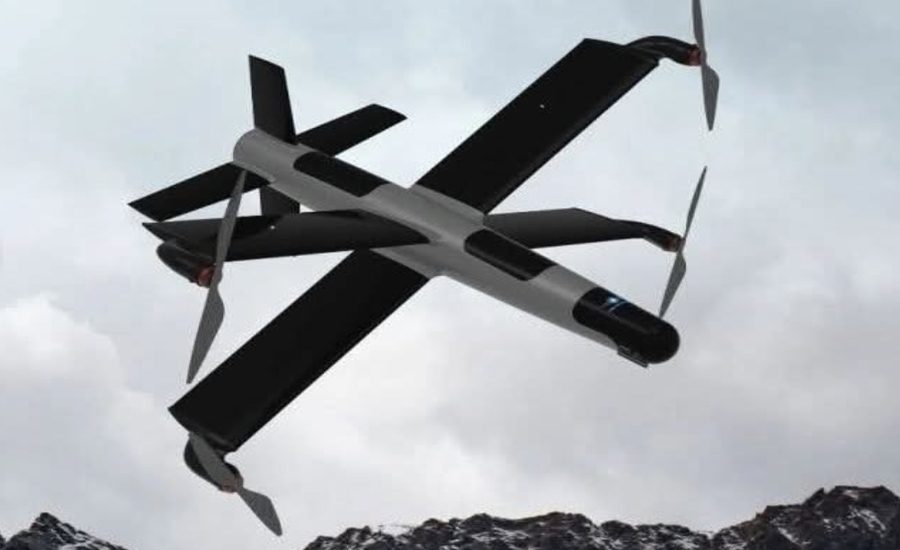
Jet-powered kamikaze drones are a type of loitering munition designed to locate and strike a target. Unlike ordinary surveillance drones, these systems are primarily developed for one-way attack missions.
They can remain in an area before striking a selected target. The biggest advantage of jet-powered drones is their higher speed.
According to defence reports, conventional propeller-driven loitering munitions generally fly at speeds of around 150–200 kmph.
In comparison, jet-powered variants can reach approximately 450 kmph. This higher speed allows them to reach targets faster and reduces the time available for an opposing defence system to respond.
Their development reflects the growing importance of unmanned systems in modern military operations.
SMPP Has Already Supplied 106 Agniveg Jet-Powered Drones
India’s domestic jet-powered drone development is not starting from zero. Defence reports state that SMPP has already delivered 106 Agniveg jet-powered drones, also known as Peacekeeper, to the Indian Army.
The reported delivery includes 100 operational drones and six training units. The system is reported to have a maximum speed of around 450 kmph.
It also features anti-jamming and anti-spoofing capabilities, according to the available reports. This earlier delivery highlights the growing participation of Indian private companies in the development of advanced unmanned military systems.
Read also: Meet the Batman of Indian Army: This Indigenous Drone Can Hunt Enemies in Nights With Full Precision
FAQs
According to defence reports, 11 Indian companies have qualified for the upcoming field trials. Around 60 companies initially responded to the RFI, while 18 submitted formal bids.
The Indian Army reportedly plans to procure 540 jet-powered kamikaze drones under the Jet Based Kamikaze Drone System programme. The estimated programme cost is around ₹2,000 crore.
India’s proposed jet-powered kamikaze drones are expected to achieve speeds of approximately 450 kmph. Conventional propeller-driven loitering munitions generally operate at around 150–200 kmph.