11 November 2026
ADVERTISEMENT
ADVERTISEMENT

Indian Army Radar Deal Worth ₹770 Crore: Key Details Explained

India has signed a ₹770 crore radar deal with Bharat Electronics Limited (BEL) to strengthen the Indian Army’s air defence.
Indian Masterminds Stories

New Delhi: The Indian Army’s air defence capability is set to receive a major boost after the Ministry of Defence signed a ₹770 crore contract with Bharat Electronics Limited (BEL) on October 21, 2026. The Indian Army lightweight radar deal will provide Improved Low Level Light Weight Radar (LLLR-I) systems designed to detect and track fighter-sized aircraft, mini drones and micro drones. The new radars will also help the Army identify and prioritise aerial threats, strengthening India’s ability to counter unmanned aerial systems (UAS).

Indian Army Radar Deal: Key Highlights

  • Contract Value: Approximately ₹770 crore
  • Contract Signed: October 21, 2026
  • Buyer: Ministry Of Defence
  • Supplier: Bharat Electronics Limited (BEL)
  • Radar System: Improved Low Level Light Weight Radar (LLLR-I)
  • Main Purpose: Detecting And Tracking Aircraft And Small Drones
  • Additional Capability: Prioritising Aerial Targets
  • Main Objective: Strengthening Indigenous Air Defence Capabilities

Read also: BEL Partners with BMIT to Develop Advanced Defence Electronics, Radar and Drone Technologies

Indian Army Radar Deal: Ministry Of Defence Signs ₹770 Crore Contract With BEL

The Ministry of Defence signed the contract with Bharat Electronics Limited, a government-owned defence electronics company, in New Delhi on October 21, 2026.

Defence Secretary Rajesh Kumar Singh was present during the contract signing. The agreement aims to strengthen the Indian Army’s ability to monitor low-level aerial threats and respond to the growing challenge posed by unmanned aerial systems. The contract is also an important step towards developing and procuring more air defence equipment within India.

What Is The Improved Low Level Light Weight Radar (LLLR-I)

The Improved Low Level Light Weight Radar (LLLR-I) is an air surveillance system designed to detect and track aerial targets.

According to the Ministry of Defence, the radar can identify and track fighter-sized targets as well as mini and micro drones. It can also prioritise aerial targets, helping operators determine which threats require greater attention. 

This capability is important because small drones can present difficult detection and tracking challenges, particularly when they fly close to the ground. The system is intended to strengthen the Army’s ability to identify potential aerial threats and support its air defence operations.

How Will Indian Army Radar Deal Help The Counter Drone Threats

Drones are increasingly used for surveillance, reconnaissance and other military missions. Their small size and low-altitude flight can make them difficult to detect using some conventional surveillance systems.

The LLLR-I radar is designed to help address this challenge by detecting and tracking mini and micro drones alongside larger aerial targets.

Its target-prioritisation capability can help air defence personnel assess detected objects and focus attention on the most important threats. However, radar detection and tracking are only parts of an air defence response. The ability to intercept or destroy a drone depends on the wider defence network, available weapons and operational conditions.

Read also:  Bharat Electronics Signs MoU with BeyonData Solutions to Develop AI-Powered Digital Transformation Platforms 

FAQs

What Is The Value Of The Indian Army’s New Radar Deal?

The Ministry of Defence signed a contract worth approximately ₹770 crore with Bharat Electronics Limited on October 21, 2026, to procure Improved Low Level Light Weight Radar (LLLR-I) systems for the Indian Army.

Can The LLLR-I Radar Detect Mini And Micro Drones?

Yes. According to the Ministry of Defence, the LLLR-I radar can detect and track fighter-sized aerial targets as well as mini and micro drones. It can also prioritise aerial targets.

Why Is India Procuring New Lightweight Radars For The Army?

India is procuring these radars to strengthen the Indian Army’s air defence capabilities, improve the detection and tracking of aerial threats, counter unmanned aerial systems and support domestic defence manufacturing.
Indian Masterminds Stories
Join our WhatsApp Channel
ADVERTISEMENT
ADVERTISEMENT
Related Stories
ADVERTISEMENT
ADVERTISEMENT
NEWS
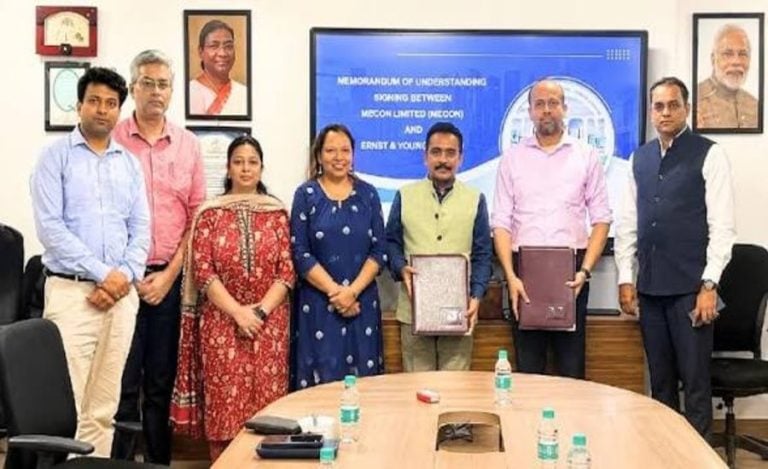
MECON EY MoU
Jharkhand Industrial Growth: MECON And EY Join Hands To Attract Investors
West Bengal Coastal Tourism Project
West Bengal Coastal Tourism Project: New Coastal Hub, Homestay Subsidy And Digha Helicopter Service
Mohan Yadav Govardhandhari Temple
MP CM Mohan Yadav Inaugurates Newly Built Govardhandhari Temple During Varanasi Visit
Delhi Urban Development
Delhi Urbanises All 48 Remaining Villages: Could Property Markets Boom Near Gurugram
Solar Community TV
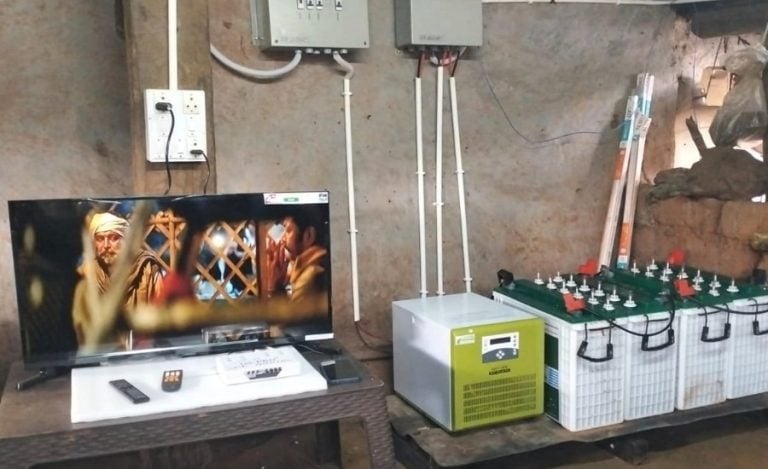
Chhattisgarh Installs First Community Solar TV In Remote Dantewada Village
Garhmukteshwar-Tigri Mela 2026
Garhmukteshwar-Tigri Mela 2026: UP Government Steps Up Security Ahead Of 30 Lakh Devotees
IPS N Sanjay
Who Is N Sanjay? Andhra Pradesh Extends 1996-Batch IPS Officer’s Suspension Until March 2027
Uttarakhand Silver Jubilee Parks
Uttarakhand Gets New Silver Jubilee Parks As Dhami Launches Rs 36 Crore Projects
ADVERTISEMENT
ADVERTISEMENT
Videos
Five years after Kargil, India sent its cricketing heroes to Pakistan where terrorism posed a deadly threat. The man guarding them, former Special Director of Intelligence Bureau, Mr. Yashovardhan Azad, reveals what all went behind the scenes during that crucial tour. 
Trust No One, Said His Instinct in Pakistan
Gajendra Singh Shekhawat
How India Plans to Boost Tourism, Create Jobs and Ease Overcrowding : Gajendra Singh Shekhawat on the Road to 2047
Dr Saket Badola IFS
Beyond Tigers and Safaris: How Corbett Literature Festival Wants to Change the Conservation Conversation
ADVERTISEMENT
UPSC Stories
Aniket Sagar ICoAS
No Coaching, Full-Time Job and Two Attempts: How Aniket Sagar Cleared ICoAS
Aniket Sagar, a chartered accountant from Bundelkhand, cleared UPSC ICoAS 2025 after working at PwC,...
IDAS Himanshu Tembhekar
Should UPSC Aspirants Give Up Their Hobbies? IDAS Officer Himanshu Tembhekar Explains
Should UPSC aspirants give up their hobbies? IDAS officer Himanshu Tembhekar explains how hobbies help...
UPSC Story
He Taught Students to Meet Expenses. Today, Sachin Bhadouria is a Scientist ‘B’ at CWPRS
Sachin Bhadouria overcame financial challenges and a Hindi-medium background to secure AIR 2 in a UPSC...
CSR NEWS
NCL CSR Blood Bank Project
NCL Signs ₹1.16 Crore CSR MoU to Establish Blood Bank at District Hospital in Singrauli
The project will fund essential medical equipment, furniture and renovation of the existing building...
REC Foundation Solar Street Light
REC Foundation to Install 350 Solar Street Lights Across Six Districts of West Bengal to Improve Rural Safety 
The CSR initiative, undertaken in partnership with Y4D Foundation, aims to improve night-time safety...
nalco
NALCO Signs MoU with SDI Bhubaneswar to Provide Skill Training to 60 Youths in Odisha
The three-month CSR programme will benefit youths from villages near NALCO's Angul and Koraput complexes,...
ADVERTISEMENT
ADVERTISEMENT
ADVERTISEMENT
Latest
MECON EY MoU
Jharkhand Industrial Growth: MECON And EY Join Hands To Attract Investors
IPS Damayanti Sen
IPS Damayanti Sen: The Woman Who Took on the Park Street Case and Carved Her Own Path
ADVERTISEMENT
ADVERTISEMENT
ADVERTISEMENT
ADVERTISEMENT
ADVERTISEMENT
ADVERTISEMENT
ADVERTISEMENT
Videos
Five years after Kargil, India sent its cricketing heroes to Pakistan where terrorism posed a deadly threat. The man guarding them, former Special Director of Intelligence Bureau, Mr. Yashovardhan Azad, reveals what all went behind the scenes during that crucial tour. 
Gajendra Singh Shekhawat
Dr Saket Badola IFS
ADVERTISEMENT
ADVERTISEMENT