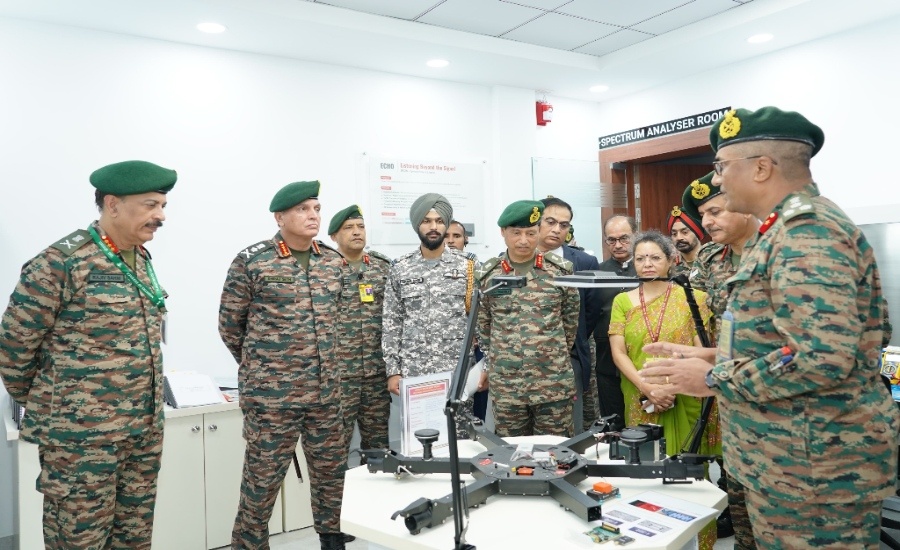
New Delhi: The AASHVAST Labs initiative has been launched by the Indian Army to identify hidden vulnerabilities in military drones, defence electronics, and critical digital systems. The new facility is designed to detect security risks in hardware, software, and firmware that could compromise the performance and safety of defence platforms. The initiative was inaugurated by Army Chief General Dhiraj Seth in Delhi and is aimed at improving cyber resilience and operational readiness.
The launch reflects the Indian Army’s growing focus on securing advanced military technologies against cyber threats, unauthorized modifications, and foreign-linked security risks.
What Is AASHVAST Labs
AASHVAST stands for Assessment and Analysis of Electronic Systems Hardware for Vulnerabilities and Security Threats. It is a specialized testing and validation system developed to examine military electronics for hidden security weaknesses. The facility can inspect both hardware and software components used in drones, communication systems, sensors, and other defence equipment.
Read also: Indian Army Unveils Indigenous Xtreme Weather Grade Diesel That Performs at -42°C
The primary goal is to ensure that critical military systems operate exactly as intended and do not contain unauthorized components or malicious code.
Why The Indian Army Created AASHVAST Labs
Modern military platforms depend heavily on software, electronics, sensors, and communication networks. Even if a system appears normal during standard inspections, hidden vulnerabilities may exist within its hardware or software architecture. These weaknesses can potentially be exploited by adversaries during military operations.
The Army created AASHVAST to conduct deeper inspections that go beyond conventional testing methods. The facility is expected to improve trust in military equipment and reduce cybersecurity risks.
Detecting Hidden Components And Backdoors
One of the key functions of AASHVAST is identifying hidden passwords, embedded digital keys, unauthorized remote-access tools, and suspicious software features. Such hidden elements can create security risks by allowing unauthorized access to military systems or sensitive operational data.
The facility can also verify whether electronic devices contain only approved components and software versions supplied by authorized manufacturers.
Focus On Chinese Components And Foreign Risks
The Indian Army has shown particular concern about the possibility of unauthorized foreign-origin components being present in sensitive defence equipment.
AASHVAST Labs can help identify Chinese or other foreign-linked components that may have been inserted during manufacturing, maintenance, or supply-chain processes.
The system can also detect modifications that were not approved by the original manufacturer or military authorities.
Protecting Military Drones From Cyber Threats
Military drones are increasingly becoming a critical part of surveillance and reconnaissance missions. Because drones rely heavily on electronics, navigation systems, and communication links, they are vulnerable to cyberattacks, GPS spoofing, signal jamming, and hidden software threats.
AASHVAST is designed to evaluate whether drone systems can resist such attacks and continue operating safely under hostile conditions.
How AASHVAST Labs Will Improve Defence Preparedness
The new facility is expected to strengthen India’s military cybersecurity framework. By identifying weaknesses before equipment enters operational service, the Army can reduce risks and improve the reliability of critical defence platforms.
The initiative will also support faster identification of security flaws and help maintain the combat readiness of military assets.
Supporting India’s Defence Modernisation Goals
India is investing heavily in advanced defence technologies, including drones, AI-enabled systems, electronic warfare tools, and network-centric operations. As military platforms become more connected and software-driven, securing electronic systems has become just as important as protecting physical equipment.
AASHVAST supports the broader goal of building a secure and self-reliant defence ecosystem under India’s modernization and indigenisation efforts.
Strategic Importance of AASHVAST Labs For National Security
The launch of AASHVAST Labs marks a major step toward strengthening the cybersecurity and resilience of India’s defence infrastructure.
The facility will help ensure that military drones, sensors, communication systems, and electronic platforms remain secure from hidden vulnerabilities and evolving cyber threats.
As warfare becomes increasingly technology-driven, initiatives like AASHVAST will play an important role in safeguarding national security and maintaining operational superiority.
FAQs
The Army launched AASHVAST to detect cyber risks, unauthorized modifications, hidden components, and potential foreign-linked security threats in defence equipment.
AASHVAST is a specialized Indian Army facility that examines military electronics, drones, hardware, and software to identify hidden vulnerabilities and security threats.
The facility will strengthen cybersecurity, improve equipment reliability, identify hidden vulnerabilities, and help protect critical military systems from cyberattacks and supply-chain risks.