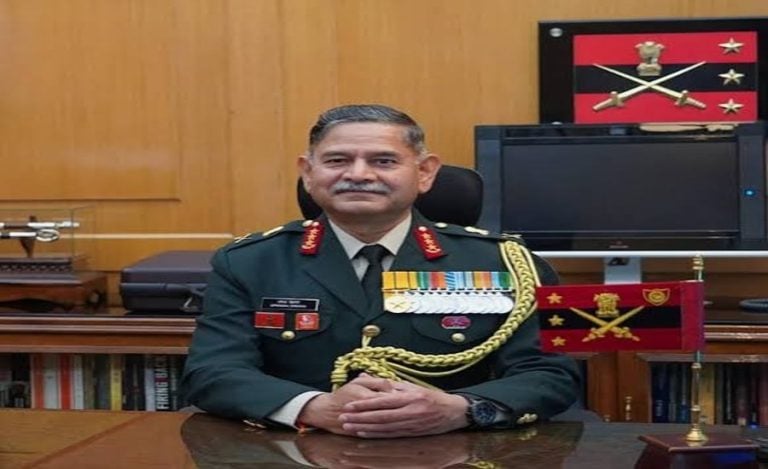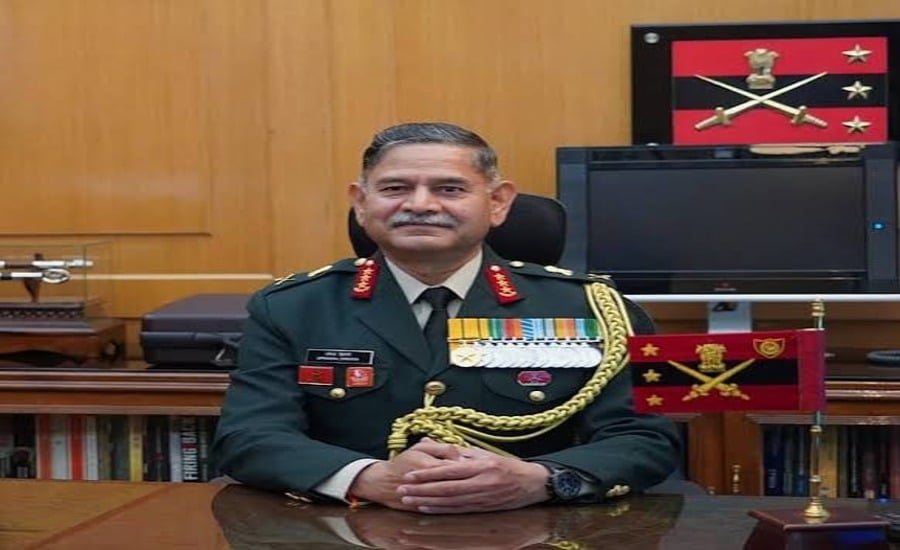
New Delhi: Operation Sindoor has highlighted the importance of coordinated security systems in protecting India against modern threats. Former Army Chief General Upendra Dwivedi (Retd.) has described more than one crore private security personnel as the country’s largest human sensor network, calling them the “first sensor of the nation“. He said their training, recognition and coordination with security agencies will play an important role in India’s future national security.
General Upendra Dwivedi Highlights The Importance Of Private Security Guards
Speaking at the 21st Annual Security Leadership Summit organised by the Central Association of Private Security Industry (CAPSI) in New Delhi on November 13, 2026, General Upendra Dwivedi highlighted the growing role of private security personnel in India’s security system.
Read also: What Is SAMARTH? How Does It Helps The Indian Army To Stay Battle-Ready In The Age Of AI
He said private security workers are an important part of the country’s security network. They are deployed at housing societies, banks, hospitals, power plants, coal mines, industrial facilities, data centres and ports.
According to General Dwivedi, national security is not limited to protecting India’s borders. Protecting important infrastructure and public facilities inside the country is equally important.
He explained that a security guard working at a power plant or hospital can be among the first people to notice suspicious activities or possible threats.
Operation Sindoor Demonstrated The Power Of Layered Defence
General Dwivedi referred to Operation Sindoor to explain why coordination between different security organisations is essential.
He said India’s defence response during the operation demonstrated the importance of layered defence. It was not dependent on a single weapon or organisation.
Instead, different systems worked together, including sensors, jamming equipment and weapons. Their coordination helped create a combined picture of the threat. He said the same approach should be followed in India’s internal security system.
Private security personnel can work as the first layer of detection, while police, fire services, civil defence and other agencies can provide further support.
According to him, without proper communication between these layers, security arrangements may remain disconnected.
One Crore Private Security Guards Can Become India’s Largest Human Sensor Network
One of the major highlights of General Dwivedi’s address was his statement about India’s private security workforce. He said more than one crore Indians are employed in the private security sector through over 35,000 agencies.
These workers are present at thousands of important locations across the country. Their widespread presence gives India a large network of people who can observe and report suspicious activities.
General Dwivedi described them as the “first sensor of the nation”. He explained that trained and properly connected security personnel can become a strategic national asset. However, a lack of training and recognition can create gaps in the security system.
He also stressed that private security workers should be treated as an important part of India’s national security architecture rather than people working only at the entry gates of buildings.
Future Warfare Will Involve Physical, Digital And Psychological Threats
General Dwivedi also highlighted how the nature of modern warfare is changing. He said future conflicts will take place across three major areas: the physical world, the digital world and the human mind.
Physical threats may include attacks on important infrastructure. Digital threats can involve cyberattacks and compromised systems.
Psychological threats may include rumours, misinformation and attempts to influence people’s thinking. He also warned about the danger of compromised insiders and individuals who may misuse their access to sensitive locations.
These challenges make it important for security personnel to improve their awareness, observation skills and ability to report unusual activities.
Better Training And Certification For Private Security Guards
General Dwivedi stressed that private security workers need proper training, professional recognition and certification.
He gave the example of a security guard with 15 years of experience who may have handled fires, crowds, thefts and medical emergencies. Despite years of practical experience, such a worker may still be officially considered unskilled.
He described this situation as unfair and disrespectful to an important national resource. He supported recognising previous work experience and introducing professional certification to improve the skills and career opportunities of security personnel.
The summit also highlighted the Guarding Officer initiative, which aims to provide better professional recognition to security workers.
General Dwivedi said a new designation alone would not be enough. It should come with proper training, certified skills, clear responsibilities and career growth opportunities.
Stronger Coordination Between Private Security And Government Agencies
Another important point raised by General Dwivedi was the need for better coordination between private security agencies and government authorities. He suggested three important steps:
- Police Coordination: Security guards should have a known contact officer at the nearest police station.
- Emergency Training: Private security workers should conduct joint drills with fire services and civil defence teams.
- Quick Reporting: Information reported by security guards should be taken seriously and quickly passed to the relevant authorities.
These steps can help reduce delays during emergencies and improve the country’s overall security response.
He also called for simpler and faster licensing procedures under the Private Security Agencies (Regulation) Act, 2005.
CAPSI And Rashtriya Raksha University Push Professional Security Training
The summit also focused on improving professional standards across India’s private security industry.
The Central Association of Private Security Industry has been working with Rashtriya Raksha University to strengthen training, assessment and certification for security professionals.
In September 2026, the two organisations signed an agreement to develop a professional training and certification framework for the private security sector.
The initiative aims to improve skills, first-response capabilities and technology awareness among security personnel.
It also supports the wider goal of making India’s private security workforce more professional and better prepared for modern security challenges.
FAQs
Operation Sindoor highlighted the importance of multiple defence systems working together. General Dwivedi explained that sensors, jammers and weapons from different organisations must coordinate to create an effective defence system.
Former Army Chief General Upendra Dwivedi described more than one crore private security personnel as India’s largest human sensor network. He said trained and connected security workers can play an important role in national security.
According to General Upendra Dwivedi, more than one crore Indians work in the private security sector through over 35,000 agencies across the country.