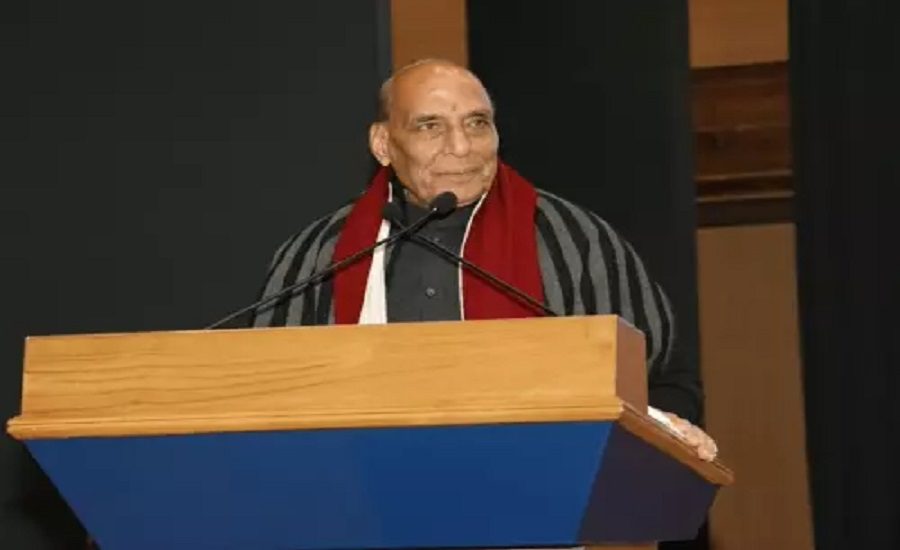
Sitapur: Sitapur Defence Solar Power Project has received a major boost after Defence Minister Rajnath Singh approved a 250 MW Solar Power Project with Battery Energy Storage System (BESS) at Sitapur, Uttar Pradesh.
The project is the first large-scale renewable energy initiative to be established on defence land in India and is expected to strengthen energy security for defence establishments while reducing long-term electricity costs.
According to the Ministry of Defence, the project will also serve as a benchmark for future solar-plus-storage developments across the defence sector.
Details of Sitapur Defence Solar Power Project
The Ministry of Defence has approved:
- A 250 MW Solar Power Plant
- An integrated Battery Energy Storage System (BESS)
- Development on approximately 850 acres of vacant defence land
- Location: Sitapur (Ex-Cantonment), Uttar Pradesh
Read also: Defence Minister Rajnath Singh Inaugurates NTPC’s 3.7 MW Solar-Hydrogen Plant at Chushul, Ladakh
This is the first project of its kind to utilize unused defence land for large-scale renewable energy generation.
Why Is Sitapur Defence Solar Power Project Important?
The project carries significance beyond renewable energy generation.
Key Benefits of Sitapur Defence Solar Power Project
- Enhances energy security for defence establishments.
- Reduces dependence on conventional grid electricity.
- Creates long-term savings in government power expenditure.
- Promotes productive utilization of vacant defence land.
- Supports India’s clean energy and sustainability goals.
- Demonstrates integration of solar power with battery storage technology.
Role of NTPC in Sitapur Defence Solar Power Project
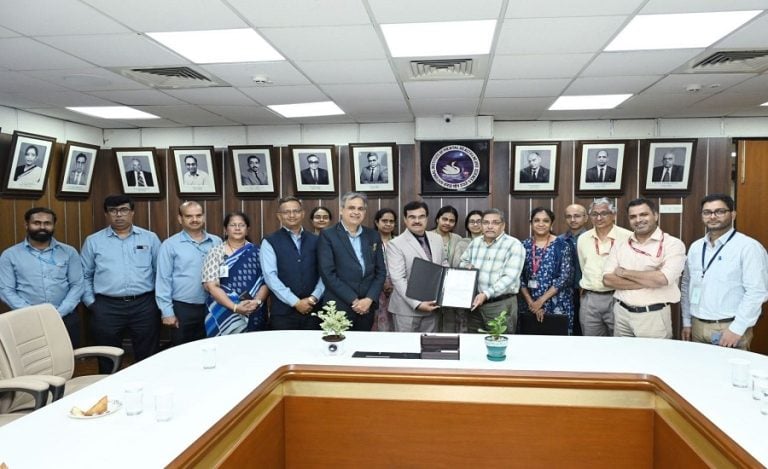
According to the Ministry of Defence, NTPC Limited will implement the project through a competitive bidding process.
The project will be executed in coordination with:
- Integrated Headquarters of the Ministry of Defence (Army)
- Directorate General Defence Estates (DGDE)
The collaboration is aimed at ensuring timely implementation and efficient energy delivery to defence facilities.
Analysis: Why Battery Storage Matters
One of the most important aspects of the project is the inclusion of a Battery Energy Storage System (BESS).
Advantages of BESS
- Stores excess solar energy generated during daylight hours.
- Supplies electricity when solar generation is low or unavailable.
- Improves reliability and energy availability.
- Helps manage fluctuations in renewable power generation.
- Enhances grid stability and operational flexibility.
For defence infrastructure, uninterrupted power supply is critical. The battery storage component makes the project more resilient than a conventional solar plant.
Strategic Significance for Defence
The project represents the convergence of:
- National security
- Energy security
- Renewable energy adoption
- Sustainable land utilization
By generating clean electricity on defence-owned land, the Ministry of Defence can reduce operational costs while strengthening self-reliance in energy management. This model could be replicated at other defence locations across India if successful.
What Happens Next?
The Ministry of Defence, NTPC, Army Headquarters and DGDE will work together for implementation.
Once completed, the Sitapur Solar Project is expected to become:
- One of India’s largest renewable energy projects on defence land.
- A model for future solar-plus-storage projects.
- A key contributor to defence energy security and sustainability goals.