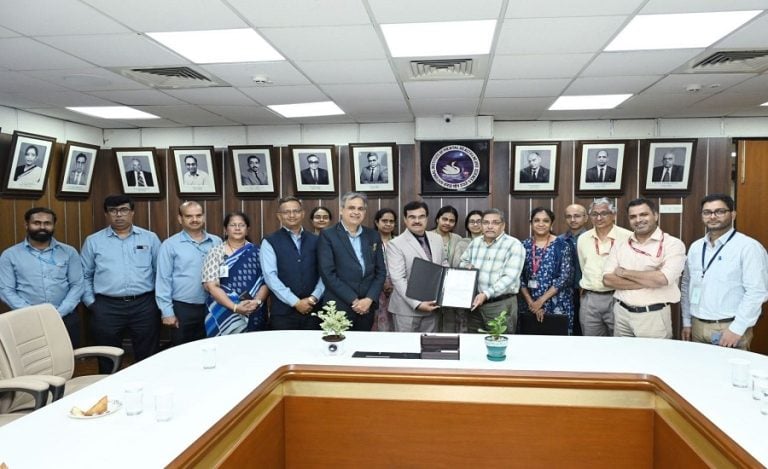
New Delhi: Jal Jeevan Mission 2.0 received a major boost as the Government of India and the Government of Sikkim signed a reform-linked Memorandum of Understanding (MoU) aimed at improving rural drinking water services and ensuring long-term sustainability.
The agreement focuses on community-led water governance, better operation and maintenance of water systems, and reliable access to safe drinking water for rural households.
The initiative aligns with India’s broader vision of strengthening water security and achieving the goals of Viksit Bharat @2047.
Jal Jeevan Mission 2.0: Centre and Sikkim Join Hands for Water Sector Reforms
The Department of Drinking Water and Sanitation (DDWS), under the Ministry of Jal Shakti, signed a reform-linked MoU with the State of Sikkim under Jal Jeevan Mission 2.0.
Read also: Jal Jeevan Mission 2.0: Key Changes, New Rules & Future of Rural Water Supply in India
The agreement aims to:
- Strengthen rural water supply infrastructure.
- Improve long-term sustainability of drinking water schemes.
- Ensure regular supply of safe drinking water.
- Enhance community participation in water management.
- Promote accountability in rural water governance.
- Build stronger systems for operation and maintenance of water assets.
Jal Jeevan Mission 2.0: What Makes This MoU Important?
The reform-linked MoU introduces a Gram Panchayat-led and service-based model of water governance.
Key objectives include:
- Delivering adequate drinking water to every rural household.
- Maintaining prescribed water quality standards.
- Ensuring sustainable management of water supply systems.
- Increasing local community ownership.
- Reducing dependence on government intervention for routine maintenance.
Experts believe that community participation can significantly improve the lifespan and efficiency of rural water infrastructure.
High-Level Participation
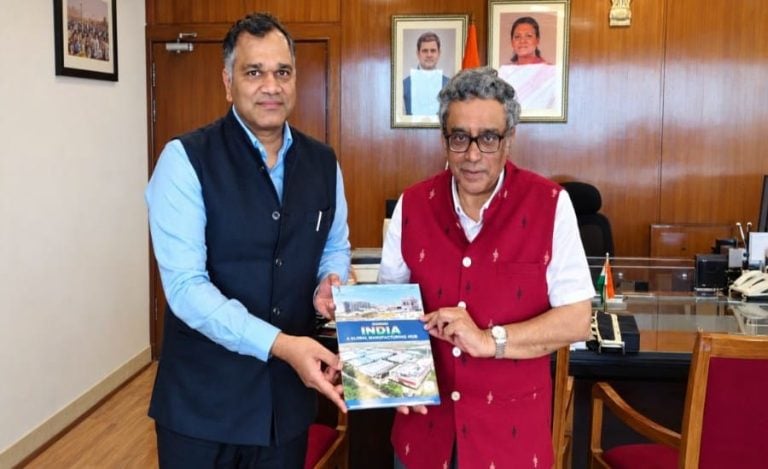
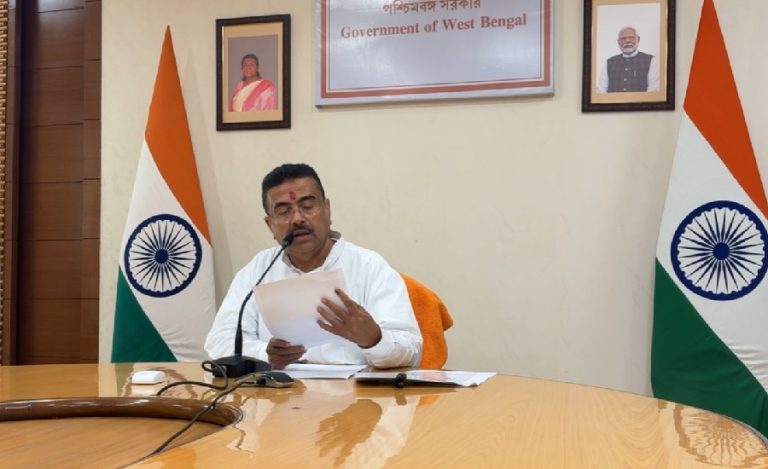
The MoU was signed in the presence of:
- C. R. Patil
- Prem Singh Tamang
Senior officials present included:
- Ashok K. K. Meena
- Kamal Kishore Soan
- Senthil Pandian
- Ashwini Kumar Chand
- Anil Raj Rai
How Will Rural Communities Benefit?
The reform package is expected to generate several long-term benefits:
Better Water Reliability
Rural households are expected to receive drinking water more consistently throughout the year.
Improved Water Quality
Regular monitoring and community oversight can help maintain quality standards.
Stronger Local Governance
Gram Panchayats and village institutions will play a larger role in managing water resources.
Sustainable Infrastructure
Improved operation and maintenance practices can reduce system failures and infrastructure deterioration.
Enhanced Water Security
The initiative contributes to long-term water security goals and climate resilience in rural regions.
National Significance of Jal Jeevan Mission 2.0
The agreement reflects the Centre’s strategy of linking reforms with implementation outcomes under Jal Jeevan Mission 2.0.
The focus is shifting from merely creating infrastructure to ensuring:
- Service delivery efficiency.
- Financial sustainability.
- Community ownership.
- Accountability mechanisms.
- Long-term operational performance.
This approach is expected to help states build resilient rural water systems capable of meeting future demands while supporting the national vision of Viksit Bharat @2047.
Read also: India@2047: A Governance Blueprint for a Developed Nation