New Delhi: India’s Project Zorawar Light Tank programme has entered a major new phase after Tata Advanced Systems Ltd (TASL) emerged as the lowest bidder (L1) for the Indian Army’s next-generation light tank project.
The development marks a significant milestone for indigenous defence manufacturing and private-sector participation in armoured vehicle production.
The project is being executed under the Ministry of Defence’s Make-I framework, which provides substantial government funding for prototype development.
The decision is expected to accelerate the development of a new generation of light tanks designed specifically for high-altitude warfare along India’s northern borders.
What Is Project Zorawar Light Tank
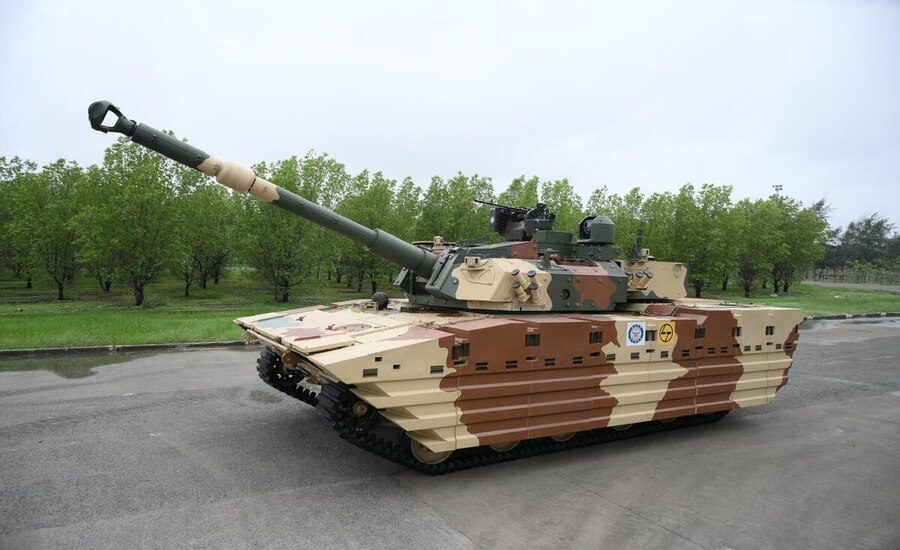
Project Zorawar is the Indian Army’s ambitious programme to develop a modern indigenous light tank capable of operating effectively in high-altitude regions such as Ladakh.
Read also: How The Indian Army Is Scanning Military Drones For Hidden Components And Secret Backdoors
The project was launched after the military identified the need for a lighter and more agile armoured platform that could perform better than conventional heavy tanks in mountainous terrain.
Unlike main battle tanks such as the T-72 and T-90, the new platform is intended to offer superior mobility, rapid deployment, and operational flexibility in difficult environments.
Tata Emerges As Lowest Bidder for Project Zorawar Light Tank
After a lengthy evaluation process involving multiple defence companies, Tata Advanced Systems Ltd has been selected as the lowest bidder for the programme.
The contract is valued at nearly ₹20,000 crore, making it one of India’s most important armoured vehicle projects in recent years. Tata reportedly outperformed four competing bidders during the technical and commercial assessment process. The selection follows detailed reviews conducted by the Ministry of Defence and the Indian Army over nearly three years.
Mahindra To Also Build A Prototype
While Tata secured the L1 position, Mahindra Defence Systems, which emerged as the second-lowest bidder (L2), will also be invited to develop a prototype.
This approach will allow the Army to evaluate competing designs before making a final decision on large-scale production. It also helps create a competitive ecosystem while reducing programme risks.
The dual-development model is increasingly being used in major defence projects to encourage innovation and technological advancement.
How The Make-I Framework Works
The project is being executed under the Ministry of Defence’s Make-I category. Under this framework, the government funds up to 70% of prototype development costs, reducing financial risks for domestic defence manufacturers and encouraging indigenous innovation. The objective is to strengthen India’s defence industrial base while accelerating the development of advanced military technologies.
Key Features Of The Make-I Model
- Significant government funding support.
- Focus on indigenous defence technologies.
- Promotion of private-sector participation.
- Faster development of strategic military systems.
- Reduced dependence on foreign suppliers.
Project Zorawar Light Tank: Designed For High-Altitude Warfare
Project Zorawar has been designed specifically for operations in extreme mountainous environments. The platform is expected to weigh around 25 tonnes, making it significantly lighter than traditional battle tanks. This lower weight improves mobility in narrow mountain passes and allows easier transportation by military aircraft. The tank is expected to operate efficiently in Ladakh, Arunachal Pradesh, desert sectors, and marshland regions.
Expected Capabilities of Project Zorawar Light Tank
Advanced Firepower
The platform is expected to feature a modern main gun capable of engaging enemy armour and fortified positions.
High Mobility
Its lightweight design will help troops deploy rapidly in difficult terrain.
Modern Battlefield Technologies
Future variants may incorporate artificial intelligence, advanced sensors, active protection systems, and drone integration technologies.
Why Project Zorawar Light Tank Matters
The project represents a major step in India’s efforts to strengthen self-reliance in defence production.
For the first time, a major indigenous light tank programme is being led by private-sector companies, reflecting the government’s growing emphasis on expanding private participation in defence manufacturing. The programme is also expected to create a stronger domestic supply chain for armoured vehicles and military technologies.
Strategic Importance of Project Zorawar Light Tank For The Indian Army
The Indian Army requires highly mobile armoured platforms to counter emerging challenges in high-altitude regions.
Light tanks can be deployed more quickly than heavier armoured vehicles and can operate in areas where conventional tanks face mobility restrictions. As border infrastructure improves, the need for rapidly deployable armoured formations is becoming increasingly important.
Read also: Indian Army Evaluates Vijay-Z1 Drone After Record Endurance Test In Arunachal Pradesh
FAQs
Project Zorawar is an Indian Army programme to develop an indigenous light tank designed for high-altitude warfare, desert operations, and difficult terrain.
Tata Advanced Systems emerged as the lowest bidder after a detailed technical and commercial evaluation process conducted by the Ministry of Defence and the Indian Army.
Mahindra Defence, as the L2 bidder, will develop a competing prototype so the Army can evaluate multiple designs before selecting the final platform for large-scale production.