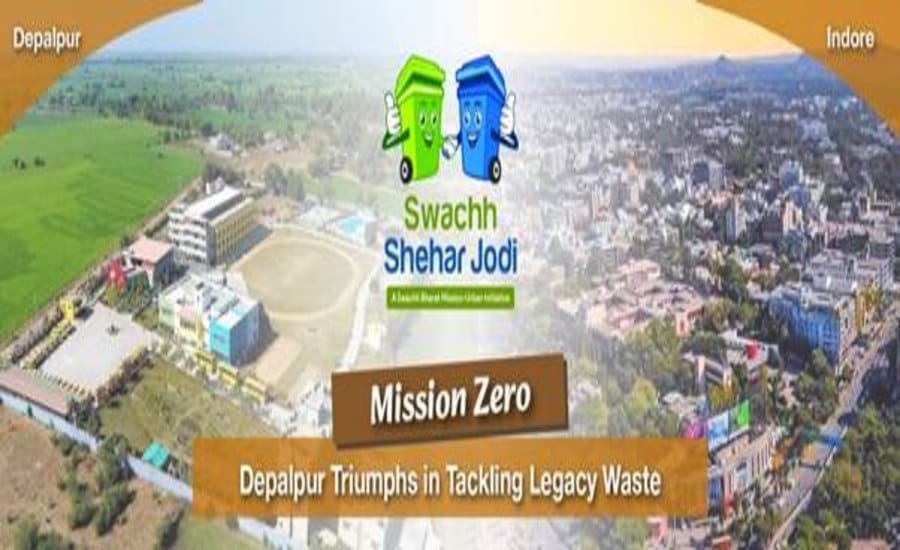
New Delhi: Depalpur in Madhya Pradesh has achieved a major milestone under the Swachh Bharat Mission-Urban 2.0, becoming the first city under the Swachh Shehar Jodi initiative to achieve “Zero Legacy Waste.”
With support from Indore Municipal Corporation, Depalpur Nagar Parishad cleared and scientifically processed 1,250 metric tonnes of legacy waste accumulated at its dumpsite over five years.
The transformation is part of the Centre’s structured mentorship initiative, under which cities share waste-management practices and help each other improve urban sanitation systems.
Indore Helps Depalpur Build a Cleaner System
Indore Municipal Corporation took Depalpur under its mentorship through the Swachh Shehar Jodi initiative. The partnership focused on strengthening waste segregation, collection and scientific processing.
Door-to-door waste collection and four-bin segregation have now become routine in Depalpur. After achieving complete coverage, authorities shifted their attention to the more difficult task of clearing years of accumulated waste.
The Ministry of Housing and Urban Affairs (MoHUA) has supported the initiative through capacity building and peer learning. Under the programme, 72 mentor cities and 200 mentee cities have undertaken more than 1,600 activities related to urban waste management.
1,250 Tonnes of Legacy Waste Cleared
The dumpsite remediation involved more than simply removing waste. Teams segregated the accumulated material at the site and directed different waste streams towards appropriate processing and disposal channels.
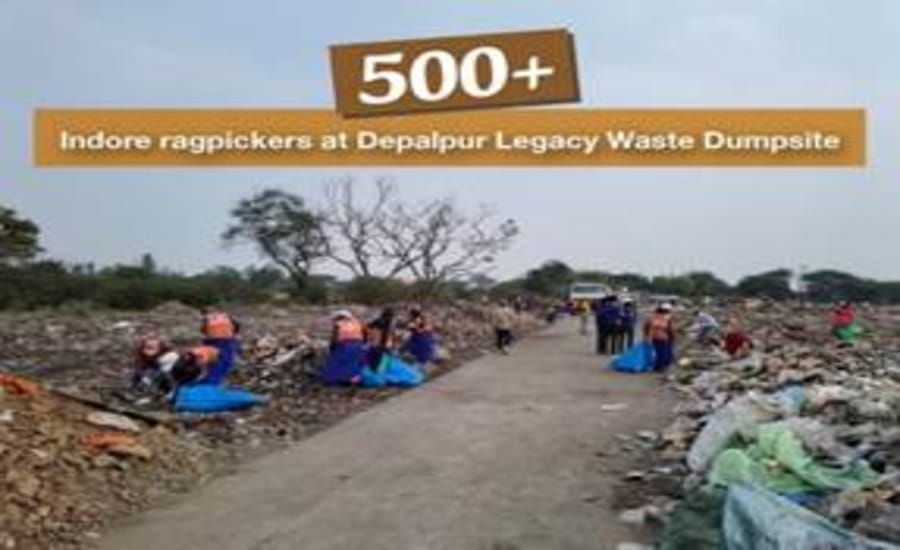
More than 500 waste pickers from Indore Municipal Corporation worked alongside Depalpur Nagar Parishad teams and heavy machinery, including dumpers, JCBs and loaders.
The process recovered around 4.5 tonnes of recyclable material, including plastic, metal and glass. These materials were sold to authorised recyclers.
Around 50–60 tonnes of Refuse Derived Fuel (RDF) were transported to the NEPRA plant in Indore, where the material was shredded before being sent to cement factories for co-processing.
This process helped turn accumulated waste into recoverable resources while reducing the material left behind at the dumpsite.
From Dumpsite to Community Space
Once the remediation work ended, authorities began planning a new future for the cleared site.
Officials and public representatives planted 200 saplings as part of a plantation drive, marking the transition from a waste site to a potential green public space.
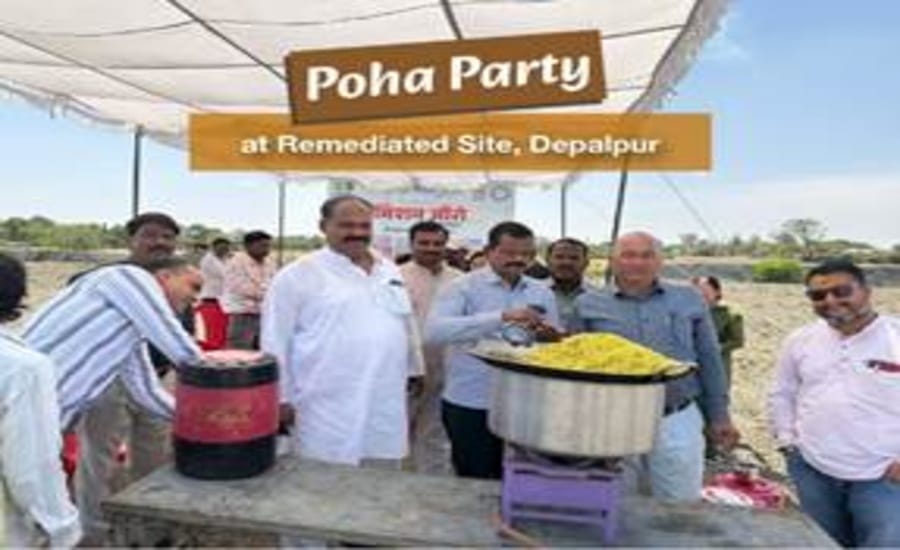
The achievement was also celebrated through a community “Poha Party”, bringing residents and officials together to mark the transformation.
The site is now planned to evolve into a community space that could host cricket matches, citizen engagement activities and social gatherings such as “Tiffin Party”.
Four-Bin Segregation Becomes Routine
The success of the legacy-waste cleanup has been supported by improvements in everyday waste management.
Depalpur has established door-to-door collection with segregation into four categories. This approach helps prevent fresh waste from accumulating at the dumpsite and makes recycling and scientific processing easier.
The focus now is to maintain the system and ensure that the city does not recreate the legacy-waste problem it has worked to eliminate.
A Model for City-to-City Learning
The Depalpur-Indore partnership highlights how cities can accelerate improvements by sharing practical experience instead of working in isolation.
The Swachh Shehar Jodi programme follows an “Each One Teach One” model and uses a structured, time-bound mentorship framework for urban waste management. Mentor and mentee cities have signed MoUs to support knowledge transfer, field visits and replication of successful practices.
Depalpur’s achievement demonstrates how this model can translate into measurable results at the local level.
From Waste Mountain to Civic Pride
Depalpur’s “Zero Legacy Waste” milestone goes beyond clearing a dumpsite. It combines waste segregation, worker participation, scientific processing, recycling and community involvement.
The revival of the historic Surajkund Bawdi, new wall art and plastic-free zones have added to the town’s wider cleanliness efforts.
With the former dumpsite now planned as a green and active community space, Depalpur offers an example of how sustained planning and collective action can turn a sanitation challenge into an opportunity for environmental improvement and civic renewal.
Read Also: How India’s New Shipping Strategy Could Reduce Reliance On Foreign Carriers