Patna: West Champaran’s Dumri Gram Panchayat has turned waste management into a source of income while supporting farmers through affordable organic fertiliser under the Lohia Swachh Bihar Abhiyan (SBM-G).
The panchayat has produced around 1,700 quintals of organic fertiliser from waste collected through its door-to-door system. The fertiliser is sold to local farmers at affordable rates, while the income goes into the panchayat’s Solid and Liquid Waste Management (SLWM) account).
The money is being used to repair waste-collection vehicles, including handcarts and e-rickshaws, and meet other requirements of sanitation workers.
From Waste Problem to Village Resource
Dumri Panchayat, located around five kilometres from the block headquarters, has 3,430 families. According to District Capacity Building and IEC Advisor Shashi Ranjan, waste management was previously a major challenge.
Garbage from homes, shops and public places was often scattered around the village, affecting cleanliness. At the same time, farmers relied heavily on costly chemical fertilisers.
The panchayat responded by implementing the Solid and Liquid Waste Management plan in mission mode in 2023.
Read Also: Bihar’s e-Gram Kachahari Resolves 38,000+ Cases in 18 Months, Brings Justice Closer to Villages
Door-to-Door Collection Across 15 Wards
The panchayat introduced daily door-to-door waste collection across all 15 wards. It deployed 15 handcart rickshaws and one battery-operated rickshaw for the purpose.
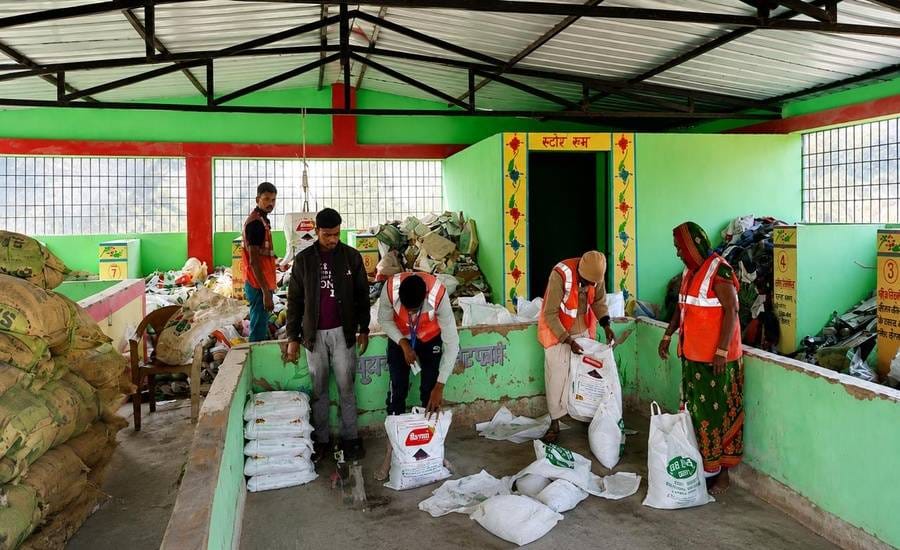
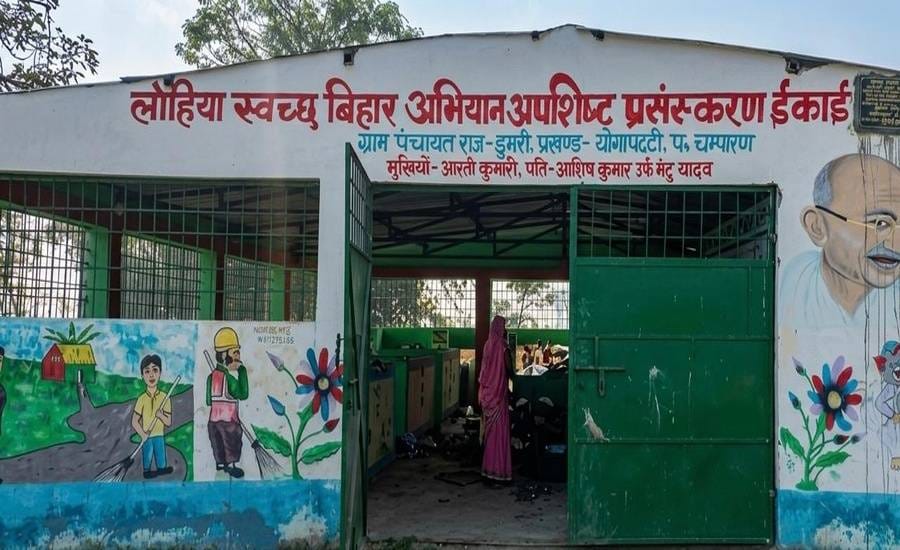
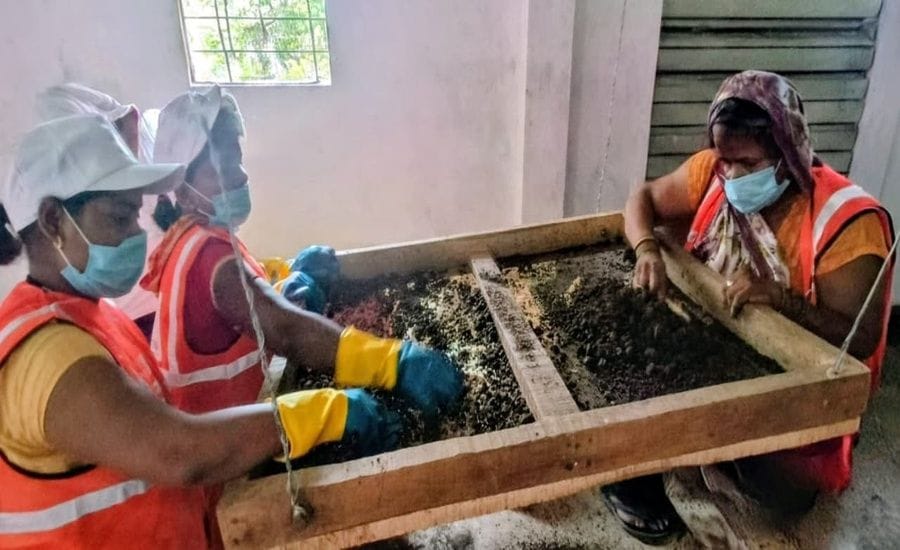
Collected wet and dry waste is taken to the Waste Processing Unit (WPU), where it undergoes scientific processing.
This approach has allowed the panchayat to treat waste as a resource rather than simply a sanitation challenge.
Farmers Get Cheaper Organic Fertiliser
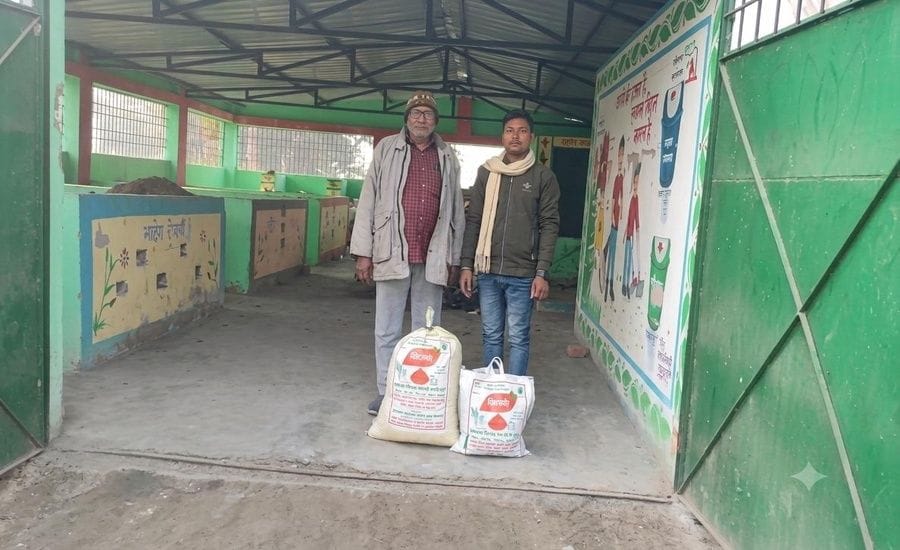
The WPU has produced around 1,700 quintals of organic fertiliser, which is being made available to local farmers at lower prices.
For farmers, the initiative provides an alternative to expensive chemical fertilisers and can help reduce input costs. It is also encouraging greater adoption of organic fertiliser and more sustainable farming practices.
Waste Management Generates Its Own Revenue
The model also creates a financial benefit for the panchayat. Instead of depending entirely on external funds for waste-management activities, revenue from fertiliser sales is being channelled back into the SLWM account.
The funds support vehicle repairs and other operational needs, helping sustain the waste-collection system.
Dumri’s experience shows how rural waste management can simultaneously address cleanliness, farm input costs and local financial sustainability. By converting household waste into a useful agricultural product, the panchayat has created a model that links sanitation with rural livelihoods and sustainable farming.
Read Also: Bihar’s TEJAS Campaign Takes Innovation to Begusarai and Jamui, 260+ Teams Join Hackathon