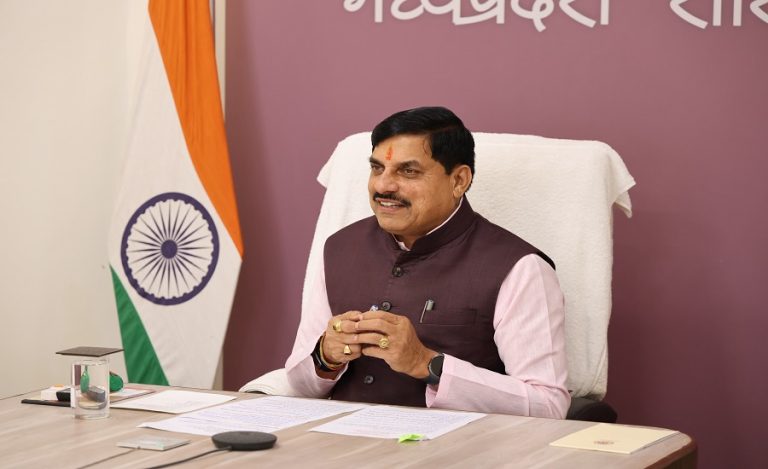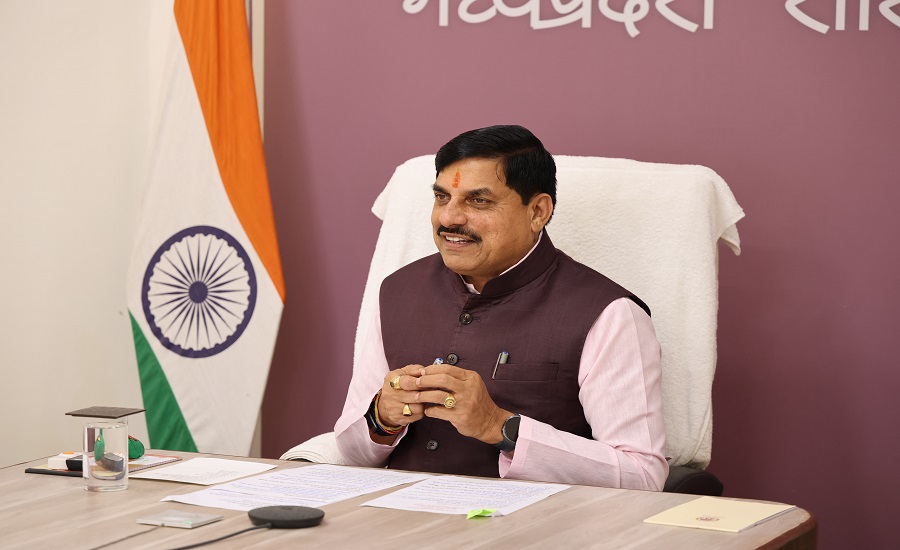
Bhopal: Rural property owners in Madhya Pradesh are expected to receive relief as the state government and patwaris have agreed to resume free property registration under the Swamitva Yojana. The decision followed a positive discussion between Chief Minister Dr Mohan Yadav and representatives of the Madhya Pradesh Patwari Sangh.
According to the information shared by the association, patwaris have agreed to restart work under the scheme from Monday. The agreement is expected to remove a key obstacle to implementation and help eligible rural residents obtain official documents establishing their property rights.
The initiative aims to bring greater clarity to property ownership in rural residential areas, reduce the risk of disputes and make it easier for residents to use their property for financial and other purposes.
Agreement Reached After Talks with Chief Minister
The agreement follows objections raised by patwaris over certain legal issues connected with the implementation of the Swamitva Yojana. Their concerns had affected the progress of registration-related work.
After meeting Chief Minister Mohan Yadav, Madhya Pradesh Patwari Sangh state president Upendra Singh Baghel said the discussion had been constructive. He stated that the government had addressed the need for legal protection in carrying out the scheme.
According to Baghel, the Chief Minister assured the association that the necessary orders would be issued to resolve the concerns. The government’s decision is expected to help patwaris resume their responsibilities and move the registration process forward.
The agreement is significant because revenue officials play an important role in preparing and verifying property records. Their participation is essential for identifying eligible beneficiaries and completing the documentation process.
Read Also: From Farms to Factories: MP’s ₹3,800-Crore McCain Foods Project Promises 2,000 Jobs
How Free Property Registration Will Help Rural Residents
The Swamitva Yojana aims to provide official ownership documents to eligible residents of rural inhabited areas. These records help establish who owns a house or property and provide greater clarity regarding ownership rights.
Free registration under the initiative is intended to make the process easier for eligible beneficiaries by reducing the financial burden associated with obtaining formal property documents.
Clear ownership records can offer several practical benefits. Residents with valid documents may find it easier to approach banks for loans, establish their ownership during disputes and undertake construction or other permitted activities on their property.
Official documentation can also help reduce uncertainty over property boundaries and ownership claims. This is particularly important in rural areas where unclear records can lead to disputes among families, neighbours or other parties.
However, access to loans and other benefits will still depend on the relevant bank’s requirements, applicable rules and the nature of the property documents.
CM Mohan Yadav Distributes Registration Certificates in Harda
The state government has also taken steps to distribute ownership-related registration certificates to beneficiaries under the Swamitva rights-record transfer initiative.
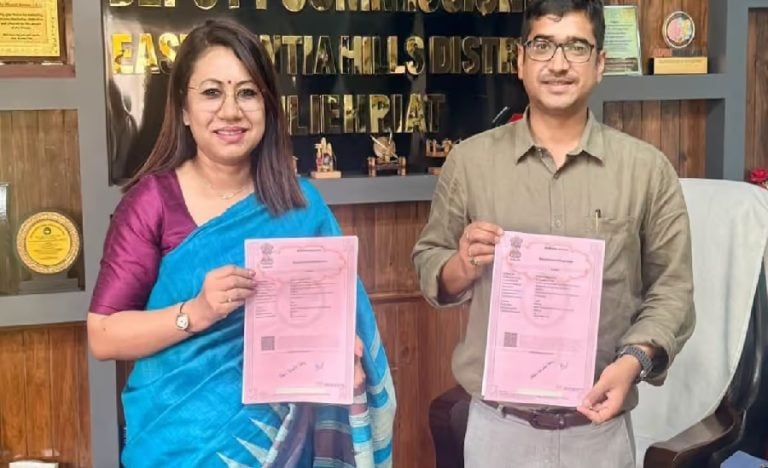
Chief Minister Mohan Yadav distributed registration certificates to rural residents in Harda. The information provided states that 10 beneficiaries received ownership-related documents, including eight additional beneficiaries who were also given certificates by the Chief Minister.
The distribution aims to give eligible residents documentary evidence of their property rights and help them use their ownership more confidently.
The state government has reiterated its objective of ensuring that every eligible rural resident receives documentation for their land or property. Formal ownership records can help people protect their interests and carry out permitted activities without uncertainty over their rights.
Legal Protection and Verification of Property Records
One of the key issues in the discussions between the government and patwaris was the legal protection required for officials involved in executing the scheme.
According to the information shared after the meeting, the government has agreed to provide the necessary judicial or legal safeguards for the implementation process. The Chief Minister also indicated that required orders would be issued.
The registration process will rely on the information recorded in the relevant rights documents. This makes accurate record preparation and verification important for ensuring that the process follows the prescribed rules.
The information provided also refers to safeguards for officials acting as designated executing officers on behalf of the state government. The precise scope of these protections will depend on the formal orders and applicable legal provisions.
Clear guidelines can help officials carry out their duties with greater confidence while maintaining accountability and accuracy in property documentation.
Patwaris to Resume Swamitva Yojana Work from Monday
With the agreement reached, the Patwari Sangh has stated that work under the Swamitva Yojana will resume from Monday. The move is expected to help restart pending activities and improve the pace of implementation.
Patwaris and other revenue officials have a central role in the process, including maintaining records and supporting the preparation and transfer of ownership documents.
The actual pace of free registration will depend on the implementation arrangements, verification of property details and the issuance of necessary government orders. Eligible residents should follow official instructions regarding the documents and procedures required to receive their certificates.
A Step Towards Stronger Rural Property Rights
The agreement between the Madhya Pradesh government and patwaris could help strengthen the implementation of the Swamitva Yojana across rural areas.
For residents, formal property documents can provide greater security, reduce uncertainty over ownership and improve access to services that require proof of property rights. For the administration, accurate records can support more transparent property management and help address disputes.
The government’s next priority will be to ensure that the agreed safeguards and registration arrangements translate into timely delivery of documents to eligible residents.
By combining clear legal procedures with effective implementation, Madhya Pradesh can help rural property owners secure their rights and make better use of assets they have held for years.
Read Also: From Solar Power to Smart Cities: Madhya Pradesh’s ₹90,000 Crore Growth Story