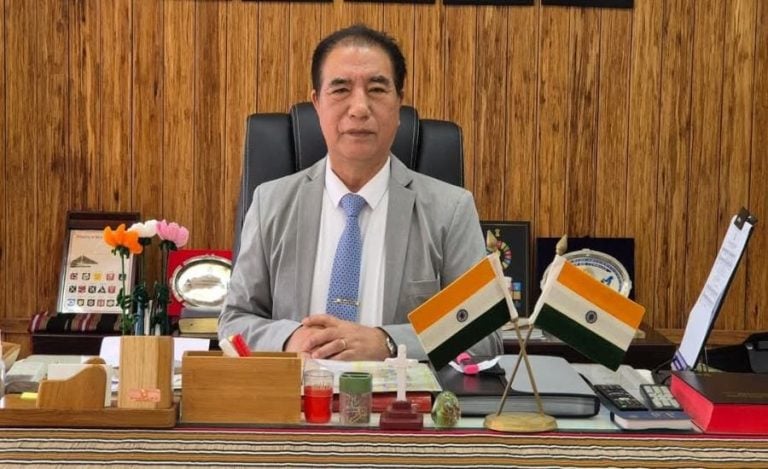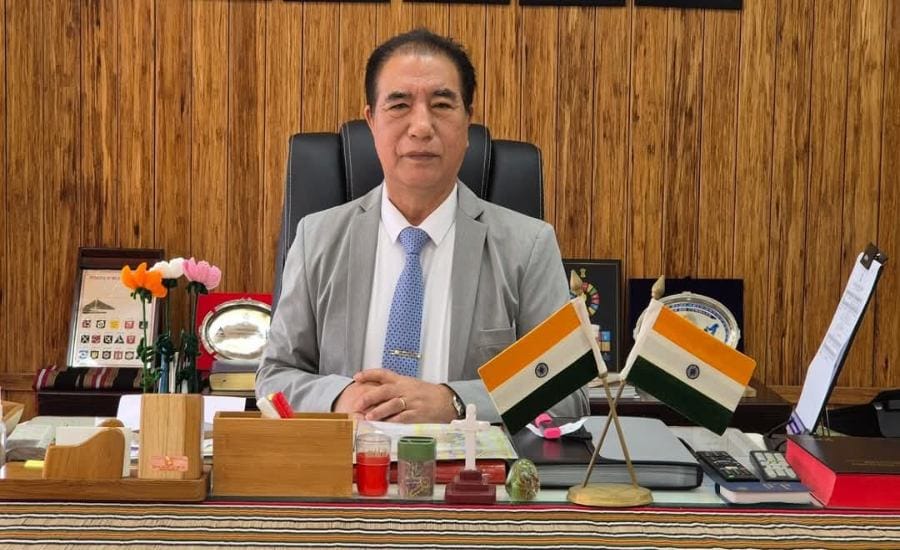
Aizawl: Mizoram Chief Minister Lalduhoma has urged All India Services (AIS) officers posted in the state to learn the Mizo language and understand local culture to improve public service delivery. He said officials must build trust with residents and understand their concerns to make governance more effective.
The Chief Minister made the remarks while inaugurating a 14-day training programme on Mizo Culture, Language, Society and Value System in Aizawl on Thursday. The initiative aims to help officers from outside Mizoram communicate better with local communities and understand the social values that shape life in the state.
A total of 41 officers from the Indian Administrative Service (IAS), Indian Police Service (IPS) and Indian Forest Service (IFoS) are participating in the programme. The training will continue until October 28, with one hour of instruction scheduled each day.
Lalduhoma Emphasises Language and Cultural Understanding
Lalduhoma said effective administration requires more than rules, regulations and policy decisions. Government programmes work better when people understand them, participate in their implementation and develop a sense of ownership.
He stressed that officers must make a sincere effort to understand the language, lifestyle and cultural background of the people they serve. Such understanding, he said, is essential for identifying local problems, addressing public concerns and maintaining good relations between officials and residents.
The Chief Minister described the training programme as the first of its kind in Mizoram and appreciated those who developed the initiative, along with the officials of the Administrative Training Institute (ATI) responsible for organising it.
The programme is intended to familiarise officers with the local context of administration, particularly those who have come to Mizoram from other states and may not have prior experience of Mizo society.
Understanding Tlawmngaihna, a Core Mizo Value
During his address, Lalduhoma highlighted Tlawmngaihna, a traditional Mizo value that emphasises selflessness, community service and helping others.
He described the principle as one of the important values that bind Mizo society together. Understanding such cultural values can help officers better appreciate how local communities interact, cooperate and respond to public initiatives.
For administrators, cultural awareness can influence how they communicate with residents, resolve grievances and implement government programmes. A better understanding of local customs and expectations can also help prevent misunderstandings between officials and the communities they serve.
Lalduhoma reminded the officers that India’s administrative system serves people from diverse linguistic, social and cultural backgrounds. Officials must therefore adapt to the regions where they work rather than rely solely on their previous administrative experiences.
41 IAS, IPS and IFoS Officers Join the Training
The 14-day programme brings together 41 officers from three All India Services: IAS, IPS and IFoS.
According to officials, 19 participating officers are posted in various districts of Mizoram. The supplied report does not provide the complete posting details of the remaining participants.
The programme will run until October 28, with daily one-hour sessions covering Mizo language, culture, society and value systems. The format aims to give officers an introduction to the local context while accommodating their official responsibilities.
The initiative is particularly relevant for officers who need to interact regularly with residents in districts and communities where Mizo is widely used in everyday communication.
Chief Secretary Highlights Better Public Interaction
Chief Secretary Khilli Ram Meena said the training programme was designed to improve communication and interaction between non-Mizo AIS officers and the people of Mizoram.
He described the initiative as an important step towards strengthening grassroots administration and improving public engagement.
Communication plays a central role in the delivery of government services. When residents can explain their concerns clearly and officials understand the local context, departments may be better placed to identify problems and respond to them.
Language learning can also help officers engage more effectively during field visits, public meetings and grievance-redressal activities. Combined with cultural awareness, it can support a more accessible and responsive administration.
Why Local Knowledge Matters in Governance
Officers serving in a state other than their home state often work in unfamiliar linguistic and cultural environments. Understanding these differences can help them perform their responsibilities more effectively.
In Mizoram, familiarity with Mizo language and cultural values can support stronger communication between government departments and residents. It can also help officers understand community expectations when implementing policies and delivering public services.
The programme reflects an approach to administration that places importance on local knowledge alongside professional and procedural expertise. Rather than treating governance only as the implementation of rules, it emphasises the role of trust, communication and public participation.
The impact of the initiative will depend on how effectively officers apply what they learn in their day-to-day work. Continued engagement with local communities can help reinforce the lessons from the training.
By encouraging officers to understand the people they serve, Mizoram’s initiative seeks to strengthen the relationship between administration and society. The programme could offer a useful model for improving cultural awareness and public engagement among officials posted in linguistically diverse regions.
Read Also: J&K Transfers 100 Police Officers in Major Reshuffle; Abdul Jabbar, Haseeb Mughal Get Key Posts