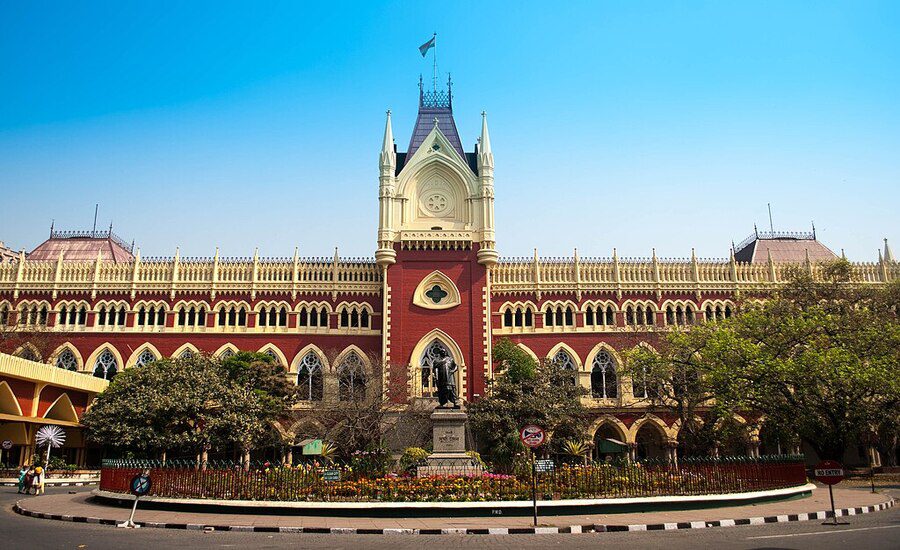
Kolkata: The Great Nicobar Project has come under fresh legal scrutiny after the Calcutta High Court upheld the maintainability of Public Interest Litigations (PILs) alleging violations of the Forest Rights Act (FRA).
The court observed that tribal communities living in the Andaman and Nicobar Islands are “very vulnerable” and deserve legal protection. The matter is linked to the Centre’s massive infrastructure project proposed for Great Nicobar Island.
Great Nicobar Project: What Did the Calcutta High Court Say?
A division bench led by Chief Justice Sujoy Paul and Justice Partha Sarathi Sen rejected the Centre’s objection that the petitioner had no legal standing to file the PIL.
Key observations by the court:
- Tribal communities in the Andaman and Nicobar Islands are “very vulnerable”.
- Such groups are often not easily accessible to outsiders.
- PILs are maintainable when constitutional or legal rights of vulnerable communities are allegedly violated.
- Rule 56 of the Forest Rights Act allows legal protection through PILs when rights of a class of people are affected.
The next hearing in the matter has been scheduled for June 23.
Why Was the PIL Filed?
The PIL was filed by former Tribal Affairs Secretary Meena Gupta.
According to the petition:
- Forest rights of indigenous tribal groups were allegedly not properly settled before approvals were granted.
- The process under the Forest Rights Act may not have been fully followed.
- Consent-related procedures involving local tribal communities are under question.
The court noted that Meena Gupta had earlier worked on issues related to tribal welfare and was associated with the drafting process of the Forest Rights Act, 2006.
What Is the Great Nicobar Project?
The Great Nicobar infrastructure project is a mega development plan proposed by the Indian government.
The project reportedly includes:
- International transshipment port
- Greenfield airport
- Township development
- Power infrastructure
- Strategic and defence-related facilities
Government sources have described the project as strategically important for India because of Great Nicobar’s location near major international shipping routes.
Why Is the Great Nicobar Project Controversial?
Environmental groups, tribal rights activists, and legal experts have raised several concerns.
Major concerns include:
Tribal Rights
- Questions over whether indigenous communities gave valid consent.
- Allegations that forest rights claims were not fully settled before approvals.
Environmental Impact
- Great Nicobar is ecologically sensitive.
- The island contains forests, mangroves, coral ecosystems, and protected biodiversity zones.
Gram Sabha Consent Issues
Reports have also questioned whether Gram Sabha meetings met quorum requirements under FRA rules.
Centre’s Stand
The Centre argued before the court that:
- The project is of “great national importance”.
- It involves infrastructure critical for trade, logistics, and defence.
- The project cost is around ₹72,000 crore.
The government has also said that environmental safeguards and legal procedures were followed during project clearances.
Official and Legal Background
The Forest Rights Act, 2006 was enacted to recognize the traditional rights of forest-dwelling tribal communities over land and forest resources.
Under the law:
- Consent of Gram Sabhas is important in forest diversion cases.
- Rights settlement must happen before forest land is diverted for projects.
The Great Nicobar case is now becoming one of the most closely watched legal battles involving development versus tribal and environmental protections in India.
Read also: Major Boost for Government Job Aspirants: Calcutta High Court Bans Mid-Process Cut-Off Changes