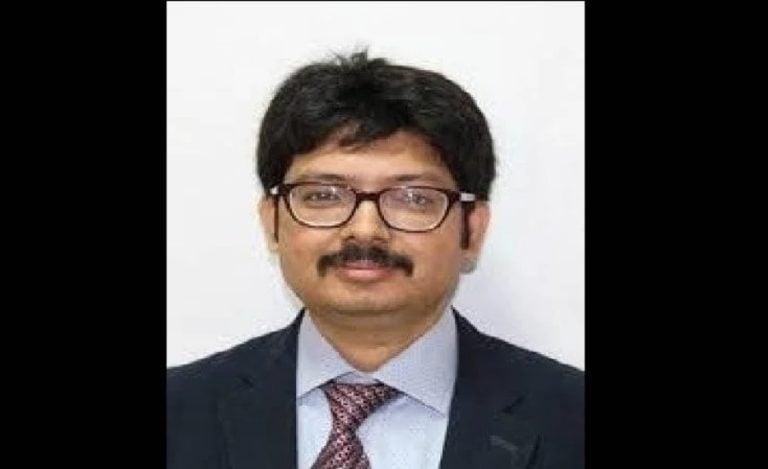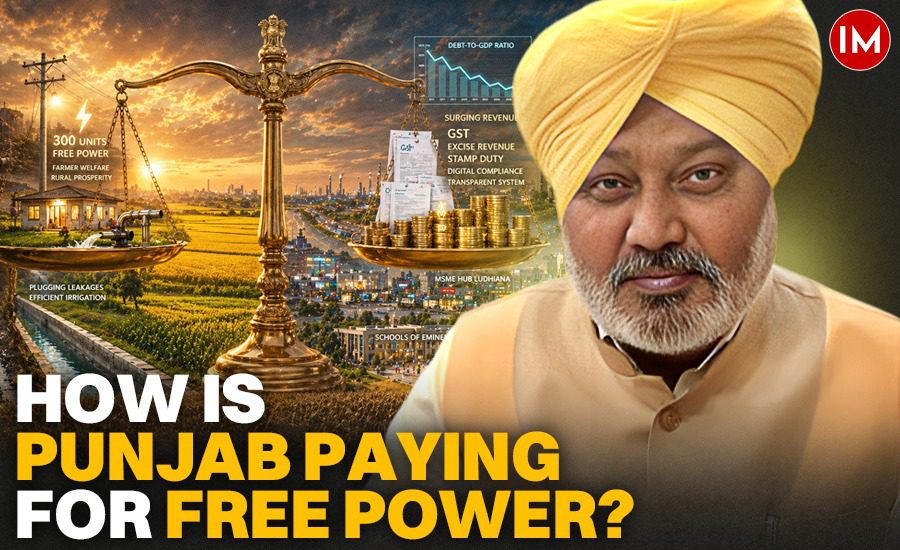
In the political lexicon, subsidies are often portrayed as fiscal indulgence. But for Punjab’s Finance Minister Harpal Singh Cheema, they are instruments of inclusion—tools to bring the “last man in the line” into the mainstream economy. In a candid conversation with Indian Masterminds, Cheema lays out a narrative that seeks to overturn conventional wisdom: that welfare spending and financial prudence can, in fact, go hand in hand.
Punjab, he notes, has long been a pioneer in welfare policies—particularly free electricity for farmers, a legacy dating back to the late 1990s. The current government, led by Chief Minister Bhagwant Mann, has expanded this approach with 300 units of free power for households. Yet, in an interview to Indian Masterminds, Mr. Cheema insists, this has not come at the cost of development. On the contrary, the state has simultaneously invested in schools, healthcare, and public infrastructure, including thousands of new playgrounds and upgraded educational institutions. The obvious question—where is the money coming from, is the one Cheema addresses with confidence.
Please click here to watch the full interview…
According to him, Punjab’s fiscal turnaround rests on plugging leakages and improving tax efficiency rather than curbing welfare. Excise revenues, he claims, have more than doubled, while GST collections have seen a dramatic surge through technology-driven enforcement and compliance measures. Stamp and registration revenues, too, have risen sharply, collectively strengthening the state’s financial position.
Read & Watch Also: Truth Behind India’s LPG Supply Strain Amid Rising Demand and Global Uncertainty
Debt to GDP Ration Reduced
This improved revenue stream has allowed the government to reduce its debt-to-GDP ratio and significantly enhance capital expenditure. Mr. Cheema contrasts this with previous regimes, asserting that Punjab is now on track to achieve capital investments far exceeding earlier benchmarks. The emphasis, he says, is on productive spending—investments that create long-term economic capacity rather than short-term political gains.
Beyond fiscal metrics, the minister highlights social and economic shifts underway. Employment generation, industrial investment, and a modest reversal of the state’s long-standing “brain drain” are cited as signs of recovery. From MSME growth hubs like Ludhiana and Jalandhar to new investments by major corporates, Punjab, he argues, is regaining its industrial footing.
Focus on Human Capital
Equally significant is the government’s focus on human capital. Initiatives such as Schools of Eminence and business-oriented education programmes aim to reshape aspirations among youth. Increased enrolment in higher education institutions and expanded scholarship support are presented as evidence of this transformation.
Challenges, however, remain. Issues like drug abuse, groundwater depletion, and agricultural sustainability continue to cast a shadow. Mr. Cheema points to steps such as anti-drone technology to curb cross-border narcotics and expanded canal irrigation to restore water tables. Yet, these are long battles, requiring sustained effort beyond a single political term.
Welfare a Catalyst
As Punjab heads towards elections, the Aam Aadmi Party government’s central claim is clear: welfare is not a drain but a catalyst—provided governance is efficient and leakages are plugged. Whether this model holds in the long run will be tested by both voters and fiscal realities. For now, Mr. Cheema is betting that Punjab can indeed pull off what he describes as a delicate but decisive balancing act.