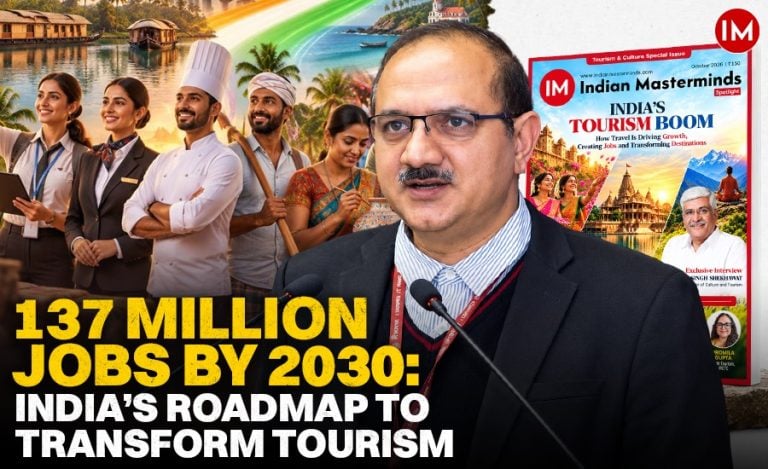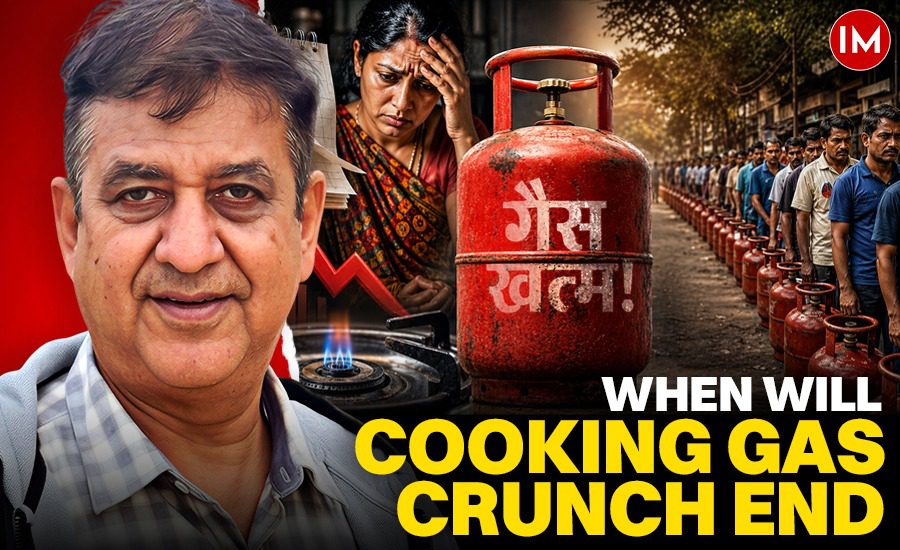
India’s LPG ecosystem in April 2026 reflects a paradox – there are widespread reports of delayed deliveries and consumer anxiety yet officials claim there is no need for panic yet. The issue is not of an outright shortage, but a complex mix of structural dependence, logistical inefficiencies, and global volatility, says Mr. Pawan Sareen, Former GM, Indian Oil (LPG Division), in an exclusive conversation with Indian Masterminds.
Please click here to watch the full interview…
At the heart of the problem lies India’s heavy reliance on imports. Nearly 60% of LPG demand is met through overseas supplies, most of which pass via the strategically sensitive Strait of Hormuz. Ongoing tensions in West Asia have disrupted shipping routes, exposing the fragility of India’s supply chain. Even temporary disruptions in this corridor can ripple quickly into domestic availability and pricing. But, India has managed its supplies well by starting imports from the countries unaffected by the Iran-Israel war.
Domestic production might remain significantly lower than consumption, reinforcing this dependence. As demand continues to rise the supply infrastructure has been fortified.
Also Read – Radha: The Rewilded Tigress Who Brought a Forest Back to Life
Rural Issues
These gaps are most evident in rural areas, where refill delivery cycles are longer and distributor networks thinner. In contrast, urban consumers benefit from denser infrastructure and quicker turnaround times, highlighting a persistent urban-rural divide in service delivery.
The brouhaha has been caused by multiple factors, claims Mr Sareen. One obviously is the supply issue due to Hormuz blockade. Second is the hoarding by some unscrupulous elements. And third is panic buying.
The government swung in swiftly as soon as crisis loomed large. It augmented supplies by shoring in domestic production by 35-40 per cent. It also contacted other countries to tap in imports. The only hitch was that turn around time of some of the new supplies were 10-11 days whereas the time being taken so far has been only 3-4 days.
Domestic Supplies Not Affected
Mr Sareen claims that the domestic supplies largely remained unaffected. It might have been delayed by a day or two due to hoarding, black-marketing and panic buying. Situation has been compounded by panic booking. Fears of shortages have led many households to stockpile cylinders, artificially inflating demand and straining already stretched logistics. At the same time, limited storage capacity—estimated at just a few weeks of national demand—reduces India’s ability to cushion prolonged disruptions.
Commercial supplies were affected in some areas. But, that too has returned to normal now. Mr Sareen has assured everyone that India has enough fuel reserves and there was no cause of panic.
Affordability is another emerging concern. With fluctuating global prices and reduced subsidies, many low-income households are cutting back on refills, even if access has been secured. This raises questions about the long-term sustainability of clean cooking adoption without targeted financial support.
Over 100 % Saturation
Another reason for the artificial scarcity was the rise in LPG connections during past 12 years, as the penetration percentage has gone beyond 100 per cent – meaning . There are over 35 crore LPG connections in the country. Considering each family has five members, total number of people availing LPG comes to 175 crores, much more than India’s total population. This has been made possible because of Prime Minister’s visionary Ujjawala Scheme providing free LPG connection and subsidised cylinders.
Ultimately, India’s LPG challenge is less about immediate scarcity and more about systemic resilience. Addressing it will require investments in storage, diversification of import sources, strengthening of rural distribution, and smarter subsidy targeting. Ensuring uninterrupted access to cooking fuel is not merely a logistical goal—it is central to household welfare and economic stability.
Also Read – Six Years, Thousands of Operations : How Balaghat Turned the Tide Against