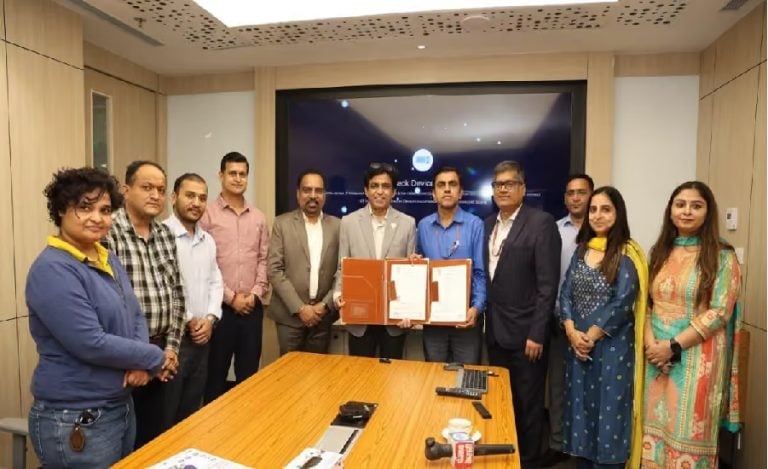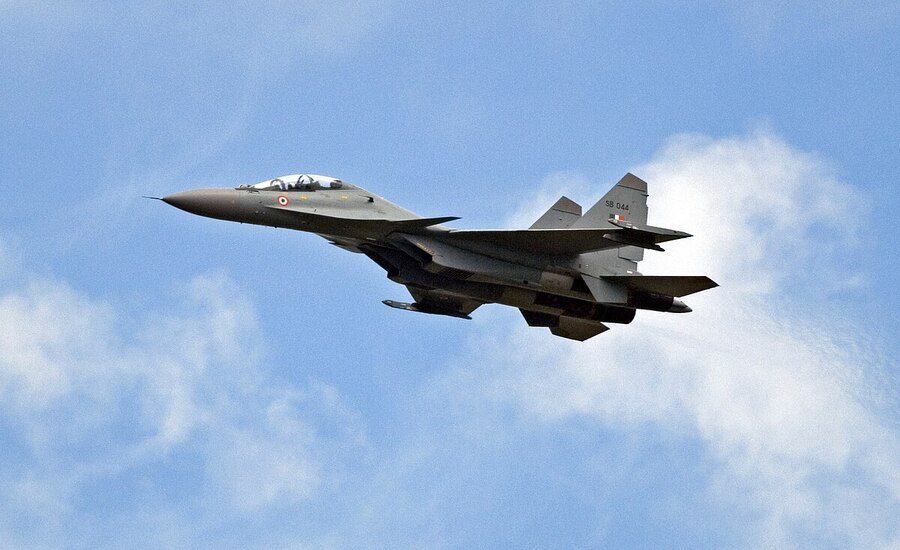
New Delhi: India’s Virupaksha radar integration program has reached another major stage as Hindustan Aeronautics Limited and Defence Research and Development Organisation have reportedly started structural and aerodynamic load studies on the Su-30MKI radome.
The work is part of the ambitious “Super Sukhoi” upgrade project aimed at modernizing the Indian Air Force’s frontline fighter fleet with advanced indigenous systems.
Details of Su-30MKI Virupaksha Radar Integration
According to recent defence reports, engineers from HAL, DRDO, and LRDE are validating the Su-30MKI’s nose radome structure to support the upcoming Virupaksha AESA radar. This step is important because the new radar is larger, heavier, and more powerful than the current Russian-made Bars radar.
Read also: What is DRDO’s LRASSCM Missile? Features, Range, and Su-30MKI Integration Explained
The radome load study will help determine:
- Structural stability of the aircraft nose
- Aerodynamic impact at high speed
- Heat and vibration resistance
- Radar performance optimization
- Long-term operational reliability
This work is considered a key engineering milestone before full prototype integration begins.
What Is the Virupaksha Radar?
The Virupaksha AESA radar is an indigenous Gallium Nitride (GaN)-based radar being developed by DRDO’s LRDE for the Su-30MKI upgrade program. It is believed to be an advanced derivative of the Uttam AESA radar family.
Key expected features include:
- Much longer detection range
- Better tracking of multiple aerial targets
- Improved resistance against electronic jamming
- Enhanced support for long-range missiles
- Better stealth aircraft detection capability
Reports suggest the radar may use over 2,400 transmit-receive modules and could improve detection range by nearly 1.5 to 1.7 times compared to the existing Bars radar.
Why the Super Sukhoi Upgrade Is Important
The “Super Sukhoi” program is one of India’s largest fighter modernization projects. The Indian Air Force plans to upgrade a large portion of its Su-30MKI fleet with modern Indian systems.
The upgrade package is expected to include:
- Virupaksha AESA radar
- Indigenous mission computers
- Advanced electronic warfare suite
- New cockpit displays
- Integration of Astra missiles
- BrahMos-ER compatibility
- Rudram anti-radiation missile support
The project will significantly increase indigenous content in the aircraft and reduce dependence on foreign systems.
Strategic Importance of Su-30MKI Virupaksha Radar Integration India
The Su-30MKI remains the backbone of the Indian Air Force. Defence experts believe the Super Sukhoi program will help India maintain air superiority against emerging regional threats from advanced Chinese and Pakistani fighter aircraft.
The Virupaksha radar is especially important because modern aerial warfare increasingly depends on:
- Long-range detection
- Network-centric warfare
- Electronic warfare dominance
- Beyond Visual Range (BVR) combat
With this upgrade, the Su-30MKI could remain operationally relevant well beyond 2055.
Industry Participation in Su-30MKI Virupaksha Radar Integration
The project is being led by:
- Hindustan Aeronautics Limited
- Defence Research and Development Organisation
- LRDE
- Indian private defence manufacturers
India is also increasing domestic participation through the Development-cum-Production Partner (DcPP) model to accelerate radar production and integration.
Future Roadmap
Current reports indicate that:
- Prototype fabrication of Virupaksha radar has already started
- Radome validation work is ongoing
- Flight testing may begin after structural certification
- Initial aircraft upgrades are expected in phased stages
The first batch of upgraded Su-30MKIs will likely serve as test and evaluation platforms before larger fleet-wide modernization begins.
Read also: What is UPAB-1500 and Why Does IAF Want It on Su-30MKI? Full Explainer Inside