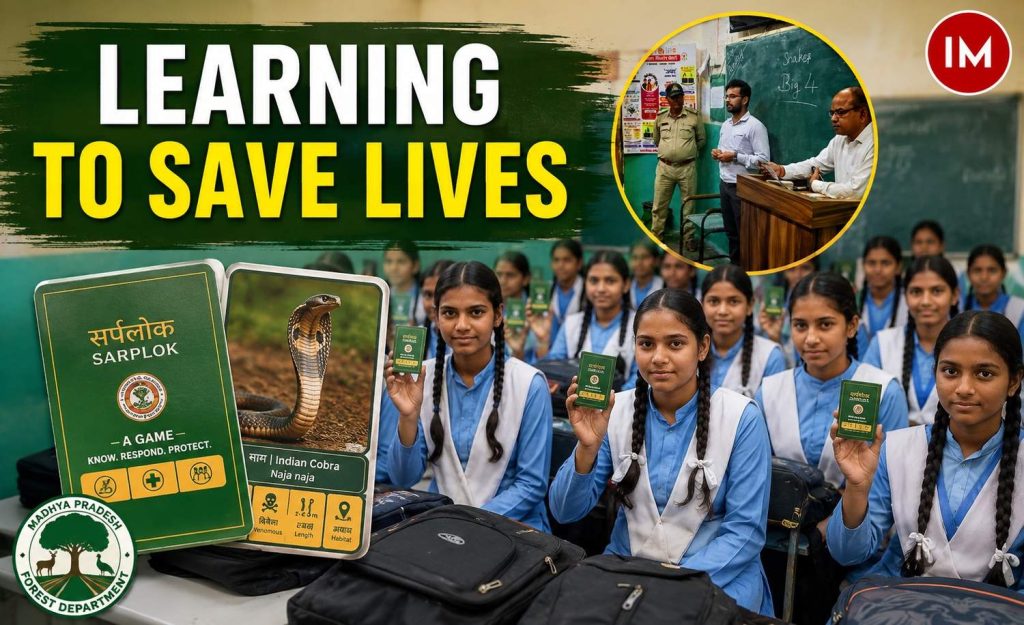
Panna: On Nag Panchami, the South Panna Forest Division in Madhya Pradesh took a different approach to snakebite awareness by bringing the subject into classrooms through ‘SarpLok’, a specially designed 54-card educational game.
Hundreds of schoolchildren across different ranges were introduced to the game, which combines snake identification, scientific facts, snakebite prevention and first-aid guidance with interactive learning.
The initiative aims to address two interconnected challenges — preventable snakebite deaths and the unnecessary killing of snakes caused by fear, myths and misinformation.
‘SarpLok’ Uses Play to Teach Snakebite Safety
The 54-card game familiarises children with common venomous and non-venomous snakes while helping them distinguish scientific facts from commonly held myths.
Through gameplay and discussions, students learn about ways to prevent snake encounters, identify snakes and respond appropriately when a snakebite occurs. The game also highlights common mistakes that should be avoided following a snakebite.
Read Also: Madhya Pradesh Draws Investor Confidence as 30% Investment Proposals Reach Implementation: CM Yadav
A key message of the initiative is that “the real enemy is not the snake, but ignorance.”
The Forest Division has particularly used the sessions to explain why unscientific interventions, including faith healing, can result in dangerous delays in obtaining medical treatment.
Students are encouraged to understand that a person bitten by a snake should be taken to an appropriate health facility without delay rather than relying on unscientific remedies.
Awareness Sessions Held Across Raipura, Mohandra Ranges
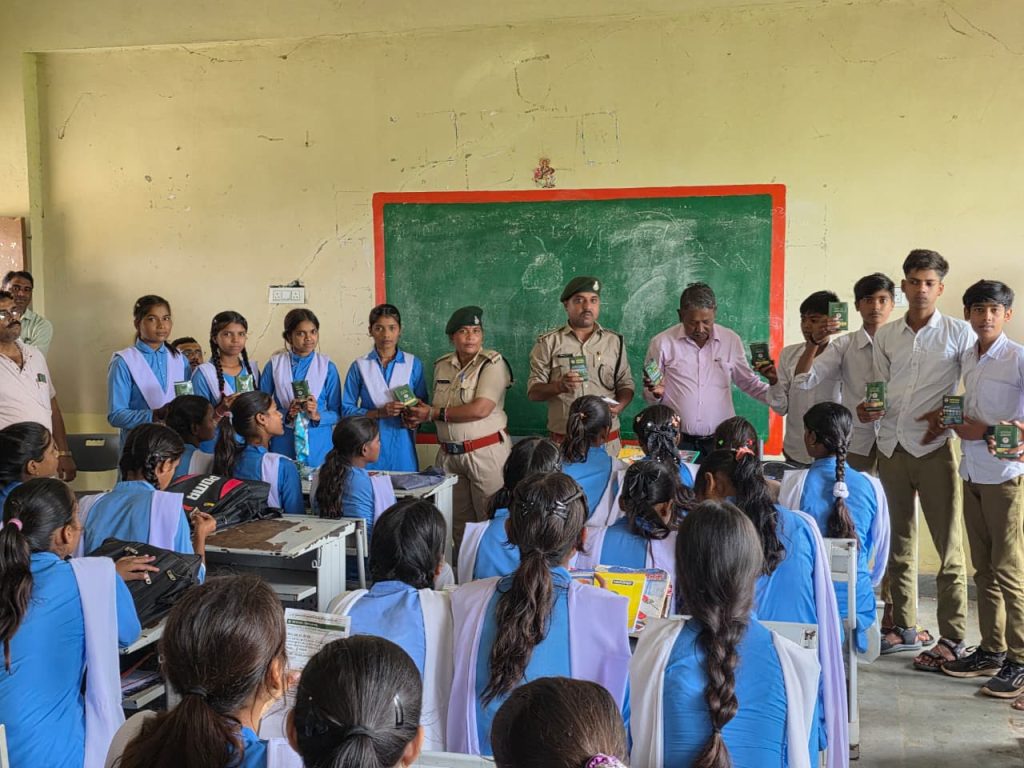
Awareness sessions and distribution of ‘SarpLok’ were organised at several government schools across the Raipura and Mohandra ranges.
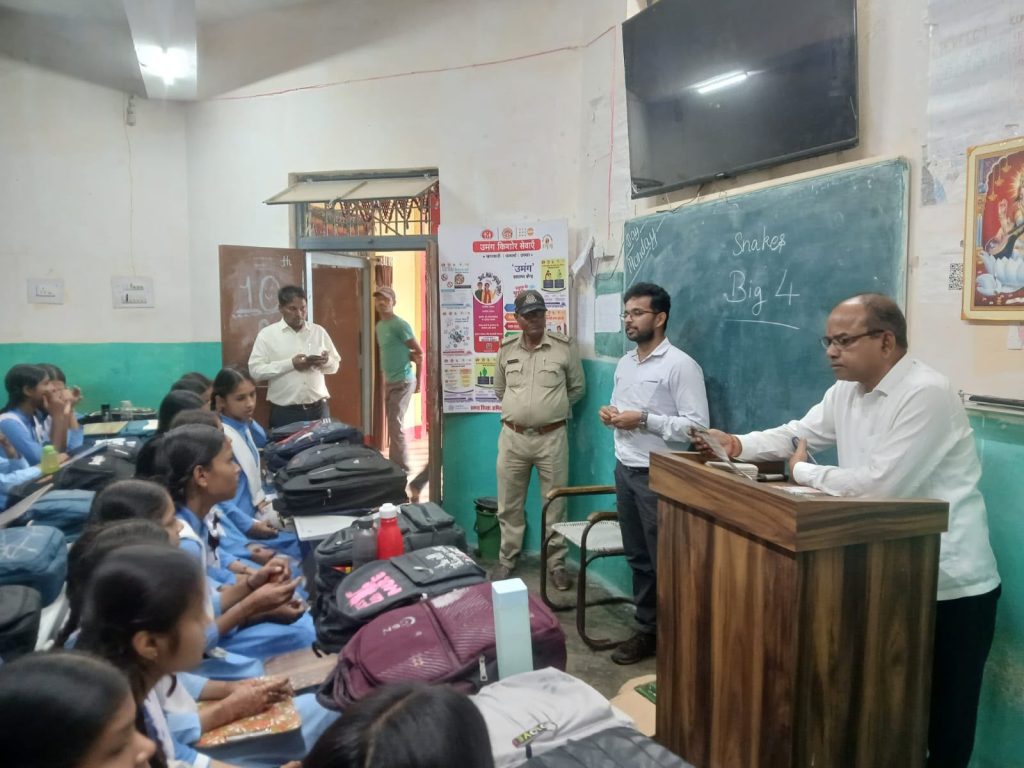
During the sessions, students participated in discussions on snake identification, distinguishing myths from scientific information, preventing encounters with snakes and responding safely to snakebites.
The Forest Division has designed the game as a portable learning tool, allowing it to be used beyond classrooms. It can also be deployed through schools, eco-clubs, village meetings and community awareness programmes.
This approach allows information on snakebite and conservation to reach not only children but potentially their families and wider communities.
From Snakes and Ladders to ‘SarpLok’
The initiative builds on the South Panna Forest Division’s earlier use of games to communicate conservation and public-health messages.
In 2025, the Division developed a customised Snakes and Ladders game incorporating messages related to snakebite prevention, first aid and snake conservation.
‘SarpLok’ takes that concept further by putting greater emphasis on participation and interaction. Instead of relying solely on conventional one-way awareness programmes, the game encourages children to actively engage with information about snakes and snakebite response.
The Forest Division sees game-based learning as a way to make important information more engaging and memorable for young learners.
Tackling Human-Snake Conflict Through Awareness
Snakebite represents a public-health challenge, while fear and misinformation surrounding snakes can also contribute to their unnecessary killing.
The South Panna Forest Division’s initiative therefore seeks to address both sides of the human-snake conflict.
By teaching children how to recognise snakes, understand their behaviour and respond correctly to snakebite incidents, the programme seeks to promote safer practices in households and communities.
At the same time, replacing fear and myths with scientific information can help encourage a more informed approach towards snake conservation.
Focus on Science-Based Snake Conservation
The Nag Panchami initiative also uses a festival traditionally associated with snakes as an opportunity to promote science-based awareness rather than superstition.
Through ‘SarpLok’, students are introduced to information that connects snake conservation with community safety. The objective is not simply to teach children about different species, but also to explain how informed behaviour can reduce unnecessary risks and support coexistence.
The initiative reflects the Forest Division’s broader effort to use innovative communication methods to make conservation education more accessible.
Taking the Message Beyond the Classroom
The portable nature of ‘SarpLok’ means that the educational material can potentially be used in a range of community settings, including eco-clubs, village meetings and awareness programmes.
The Forest Division hopes that children who participate in the sessions will carry the information back to their homes and communities, helping spread awareness about snakebite prevention and appropriate first aid.
The larger objective is to encourage safer behaviour, reduce preventable snakebite deaths and discourage the unnecessary killing of snakes.
By turning snakebite awareness into an interactive learning experience, South Panna Forest Division is attempting to make scientific information easier for children to understand, remember and share — while promoting a more informed coexistence between people and snakes.
Read Also: MP: Balaghat’s Naxal-Free Birsa Block Sees Doctors Return After 40 Years, 125 Children Recover