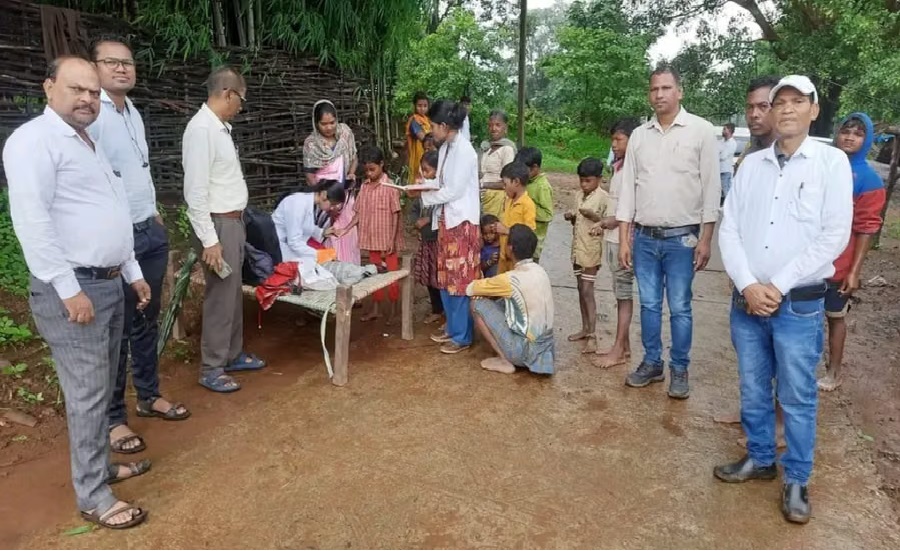
Bhopal: In a significant healthcare outreach effort, doctors and health department teams have reached villages in Balaghat district’s Birsa development block after nearly four decades, following the area’s transition out of prolonged Naxal influence.
During door-to-door health surveys, medical teams identified several children showing symptoms of various illnesses, including some cases described by officials as involving an unidentified illness. Out of 169 children admitted to hospitals over the past month, 125 have recovered and been discharged, while 44 children are continuing treatment and are currently reported to be in stable condition.
Health Teams Reach Villages After Decades
According to the health department, government healthcare services had faced difficulties reaching parts of the area for years because of the impact of Naxal activities.
The department said fear among villagers regarding doctors and government officials also made it difficult for healthcare workers to conduct door-to-door examinations.
The current health campaign covers villages including:
- Kundekasa
- Adori
- Korka
- Bondari
- Machurda
- Matla
- Gathiya
- Ghummur
Health teams are now conducting household surveys and encouraging residents to seek timely medical treatment.
Read also: MP Police-Led Operation Declares Naxalism Defeated in Balaghat: CM Dr. Yadav Honors Brave Jawans
169 Children Hospitalised, 125 Discharged
Health department officials said 169 children were admitted to hospitals between the start of the campaign and August 16.
Of these:
- 125 children have recovered and been discharged.
- 44 children are currently undergoing treatment.
- The children under treatment are reported to be in stable condition.
The campaign has enabled medical teams to identify children who previously had limited access to healthcare services.
630 Patients Identified Across Villages
The health department has so far identified 630 patients suffering from different illnesses in the area.
According to the department:
- 125 patients received treatment at hospitals.
- 461 patients were treated at home.
- Health teams continue to conduct surveys and monitor residents in the affected villages.
The illnesses identified include seasonal diseases, fever, cold and cough, skin diseases, measles, scabies and malaria.
Door-to-Door Health Survey Builds Trust
Health workers faced challenges during the initial phase of the campaign, with some tribal families reportedly taking their children towards forest areas after seeing doctors.
Officials said health workers subsequently focused on building confidence among residents and explaining the importance of timely medical treatment.
Gradually, villagers began cooperating with the health teams and bringing their children forward for examination and treatment.
The department is continuing door-to-door surveys to identify additional patients and ensure that people receive appropriate medical care.
Birsa Had Witnessed Decades of Naxal Violence
The health outreach comes against the backdrop of a long history of Naxal activity in the Birsa region.
According to the information provided by the health department, large-scale armed Naxal activity began in the area around 1986. The first Naxal-related case was registered at Birsa police station in 1990.
The region subsequently witnessed several violent incidents, including:
- 1991: Nine police personnel were killed in a landmine blast.
- 1994: Sixteen security personnel were killed.
- December 15-16, 1999: Congress government Transport Minister Likhiram Kawre was allegedly taken out of his residence and killed.
The prolonged security situation contributed to difficulties in extending government services to remote areas.
Health Services Expand After Area Declared Naxal-Free
According to the claim in the provided information, Balaghat was declared Naxal-free in 2025 following a special campaign led by Union Home Minister Amit Shah.
Since then, the health department has been increasing its presence in the region and strengthening contact with local communities.
Officials are also educating villagers about the importance of visiting hospitals and seeking medical attention when symptoms of illness appear.
Focus on Healthcare Access in Tribal Areas
The ongoing campaign is aimed not only at treating existing patients but also at improving access to healthcare in remote tribal villages.
Health teams are continuing surveys across Kundekasa, Bondari, Korka, Ghummur, Adori, Machurda, Gathiya and Matla, among other villages.
The initiative is helping authorities identify patients at the community level and connect them with hospital or home-based treatment, while also encouraging greater trust between villagers and government healthcare workers.
Read also: Madhya Pradesh CM Mohan Yadav Lays Foundation for 25-Foot Atal Bihari Vajpayee Statue in Indore