New Delhi: The Indian Air Force (IAF), IIT Madras and IITM Pravartak Technologies Foundation have joined forces to develop an indigenous secure airborne communication system.
The partnership aims to strengthen India’s defence communication capabilities and reduce dependence on foreign technology. The project will focus on developing advanced communication and networking algorithms to support secure and reliable information sharing between aircraft and other military platforms.
IAF Signs Agreement With IIT Madras And IITM Pravartak for Indigenous Secure Airborne Communication System
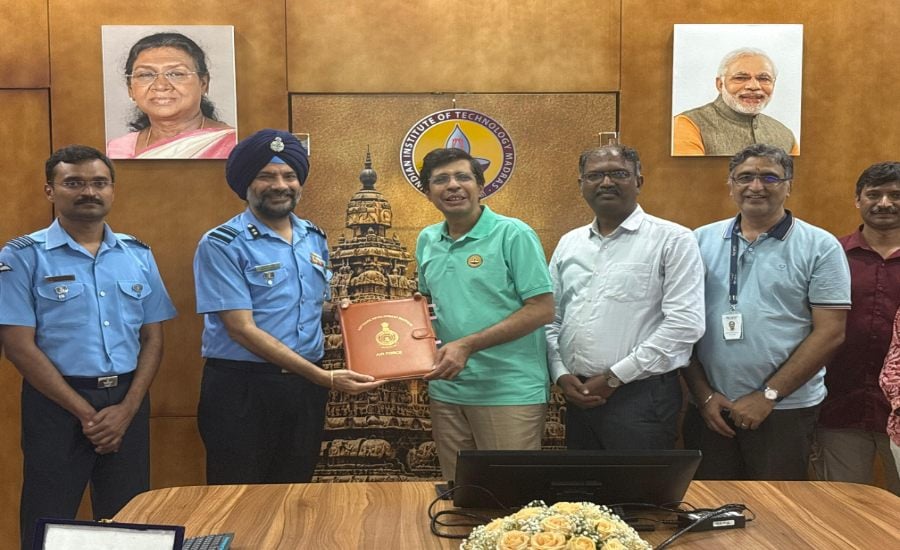
The Indian Air Force’s Software Development Institute (SDI) has signed a Memorandum of Agreement (MoA) with IIT Madras and IITM Pravartak Technologies Foundation.
Read also: Inside India’s Ramjet Engine Programme: How IIT Madras Plans to Double Artillery Strike Range
The agreement focuses on the joint design and development of an indigenous digital communication system for airborne applications.
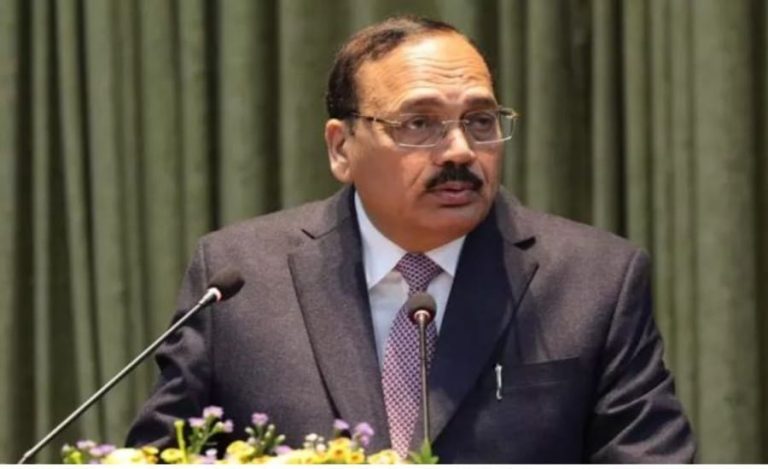
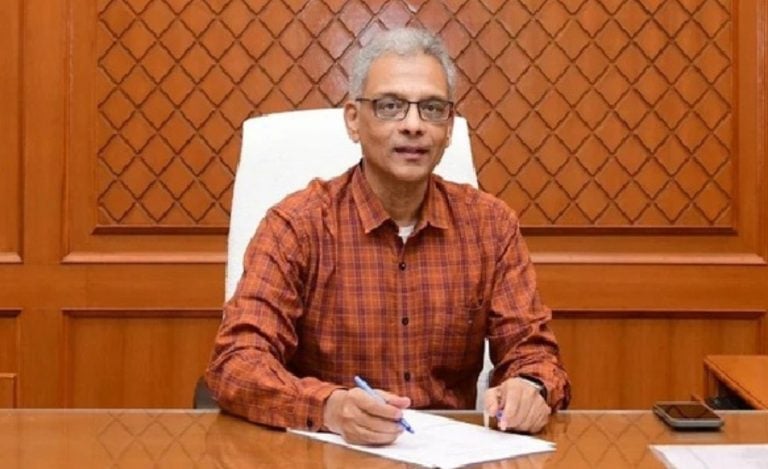
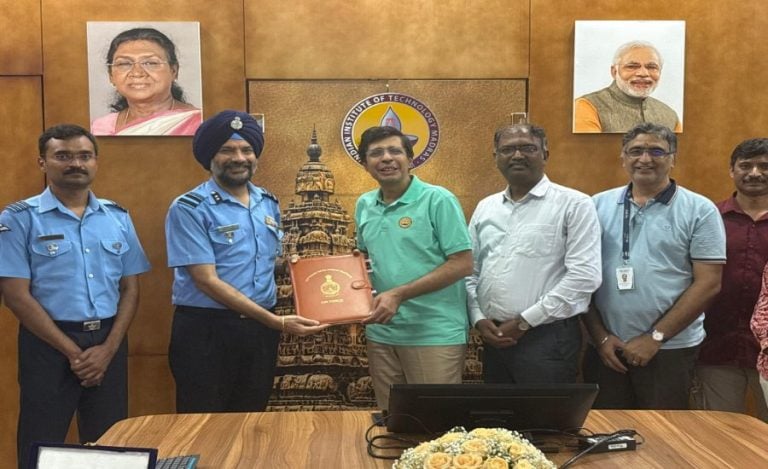
The agreement was signed by Air Vice Marshal Sarabjit Singh, Commandant of the Software Development Institute, and Dr. M. J. Shankar Raman, CEO of IITM Pravartak Technologies Foundation.
The signing ceremony took place in the presence of Professor V. Kamakoti, Director of IIT Madras.
What Is The Main Objective Of This Partnership
The main objective is to develop advanced communication technologies for Indian Air Force aircraft and other airborne platforms.
The three organisations will work together to develop advanced algorithms for communication systems and networking. These technologies will help improve the secure exchange of information during military operations.
The project also aims to reduce India’s dependence on imported communication systems and strengthen the country’s control over important defence technologies.
How Will The Indigenous Secure Airborne Communication System Work
The proposed system will focus on developing advanced digital communication and networking technologies for airborne applications.
It will support secure communication and information exchange in military aviation environments. Some important areas of development include:
- Advanced Communication Algorithms: Developing improved methods for sending and receiving information between airborne platforms.
- Secure Networking: Building reliable communication networks for military aircraft.
- Digital Communication: Improving the exchange of digital information during military operations.
- Operational Efficiency: Supporting better and more reliable communication for the Indian Air Force.
- Indigenous Technology: Developing homegrown solutions to reduce dependence on imported systems.
These technologies are expected to strengthen India’s ability to develop and manage its own defence communication systems.
Why Is Indigenous Secure Airborne Communication System Important
Secure communication plays an important role in modern military operations. Military aircraft need reliable communication to exchange important information, coordinate activities and support operational decisions.
Any communication failure or security weakness can affect the effectiveness of military operations.
An indigenous communication system can help the Indian Air Force improve its technological control and reduce possible dependence on foreign suppliers.
It can also support the development of advanced networking capabilities for future military requirements.
Partnership Supports India’s Atmanirbhar Bharat Mission
The collaboration supports the Government of India’s Atmanirbhar Bharat vision. This mission encourages the development and production of important technologies within the country.
By bringing together the Indian Air Force’s operational experience and the research capabilities of IIT Madras and IITM Pravartak, the partnership aims to strengthen India’s domestic defence technology ecosystem.
It also represents an important step towards developing advanced communication technologies within India.
Read also: EIL Joins MC²+ Ignite Launch at IIT Madras to Accelerate Deep-Tech Startups in India’s Energy Sector
FAQs
The three organisations have signed an agreement to jointly develop an indigenous digital secure communication system for airborne applications. The project aims to improve military communication and reduce India’s dependence on imported technology.
IIT Madras will collaborate with the Indian Air Force and IITM Pravartak Technologies Foundation on developing advanced algorithms for communication systems and networking.
The indigenous system aims to improve secure communication, strengthen the Indian Air Force’s operational efficiency and reduce dependence on foreign defence technology. It will also support India’s Atmanirbhar Bharat mission.