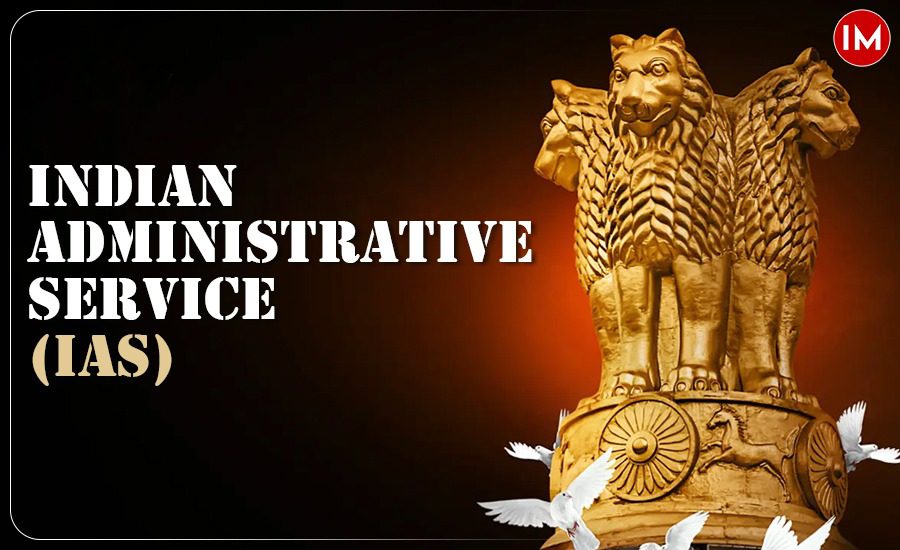
India is currently facing a serious shortage of Indian Administrative Service officers, with nearly one in every five sanctioned IAS posts lying vacant. A parliamentary standing committee has flagged that around 1,300 IAS positions remain unfilled out of the total sanctioned strength of 6,877, warning that the shortfall is beginning to affect administrative capacity both at the Centre and in the states. 📄⚖️
The committee has particularly raised concern over severe shortages in the AGMUT cadre and several northeastern states, where vacancy levels are significantly above the national average.
Parliamentary Panel Raises Alarm Over IAS Shortage
The concern has been highlighted by the Parliamentary Standing Committee on Personnel, Public Grievances, Law and Justice.
The committee is headed by Brij Lal.
Its 160th Report on Demands for Grants (2026–27) relating to the Department of Personnel and Training was tabled in the Rajya Sabha.
According to the report –
- Total sanctioned IAS posts: 6,877
- Vacant posts: about 1,300
- National vacancy level: nearly 19%
AGMUT Cadre Under Severe Stress
The committee has strongly urged immediate intervention in the AGMUT cadre.
AGMUT stands for:
- Arunachal Pradesh
- Goa
- Mizoram
- Union Territories
This cadre currently has 25.09% vacancies, making it one of the most stressed administrative cadres in the country.
The committee noted that AGMUT’s special administrative spread across multiple Union Territories and the National Capital Territory makes vacancy management particularly critical.
Northeast States Face Highest Shortages
The report highlights even sharper shortages in northeastern and smaller cadres.
State-wise Vacancy Levels
- Nagaland – 43.62%
- Manipur – 30.43%
- Tripura – high shortage flagged
- Sikkim – high shortage flagged
The committee said these states require a special cadre-filling strategy because the shortages are disproportionately high.
Kerala Also Faces Significant Shortage
The report also flags a major gap in southern India.
Kerala currently has 32.03% shortage of IAS officers across ranks.
This indicates that officer shortages are not limited to smaller or northeastern cadres.
Why the Shortage Matters
The committee warned that the shortage directly affects field administration.
Field-level IAS positions are crucial because officers handle:
- district administration
- law and order coordination
- disaster response
- welfare implementation
- land and revenue management
- project monitoring
Vacancies at this level can slow decision-making and weaken implementation.
Immediate Recommendation to DoPT
The committee has asked the Department of Personnel and Training to immediately prioritize filling vacancies.
It specifically recommends:
- urgent filling of AGMUT vacancies
- special recruitment balancing for northeastern cadres
- focused cadre management in smaller states
Why AGMUT Needs Urgent Attention
The committee noted that AGMUT’s unique spread across several Union Territories creates unusual administrative pressure.
Officers in AGMUT are often posted in:
- Delhi
- Puducherry
- Arunachal Pradesh
- Goa
- Mizoram
Because of this spread, prolonged vacancies can disrupt continuity.
Need for a Special Northeast Strategy
The panel believes ordinary cadre allocation methods may not solve shortages in difficult or smaller cadres.
It therefore recommends a special filling strategy for:
- northeastern cadres
- geographically sensitive regions
- low-preference cadres
This could involve revised allocation mechanisms and targeted administrative incentives.
Panel Also Flags AI Governance in Administration
In another major recommendation, the committee addressed the growing use of artificial intelligence in government.
It urged the government to create a formal framework for regulating AI in public administration.
AI Should Not Replace Human Decision-Making
The panel stressed that:
- sensitive government data must be protected
- human officials must retain final decision authority
- AI systems should remain supervised tools
It warned against unchecked automated decision systems inside governance structures.
AI Training Needed for Bureaucracy
The committee also said AI literacy must improve across bureaucracy.
It recommended training programmes for:
- dealing hands
- lower-level staff
- section officers
- routine data processors
This is aimed at ensuring responsible use of AI inside ministries and departments.
Larger Administrative Challenge
The IAS shortage comes at a time when governments are expanding welfare delivery, infrastructure execution, digital governance and regulatory supervision.
Without adequate officer strength, pressure on existing officers increases sharply.
Why This Report Matters
This is one of the clearest recent parliamentary signals that cadre shortages are now affecting governance quality.
The report also suggests that cadre reform may become a bigger policy issue in coming years.