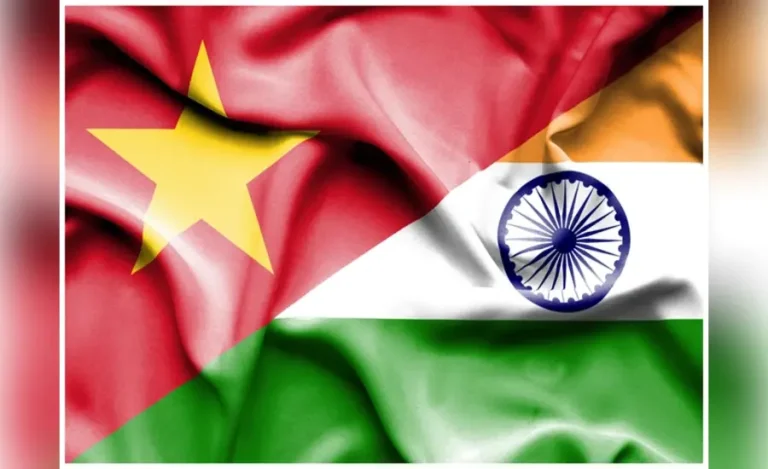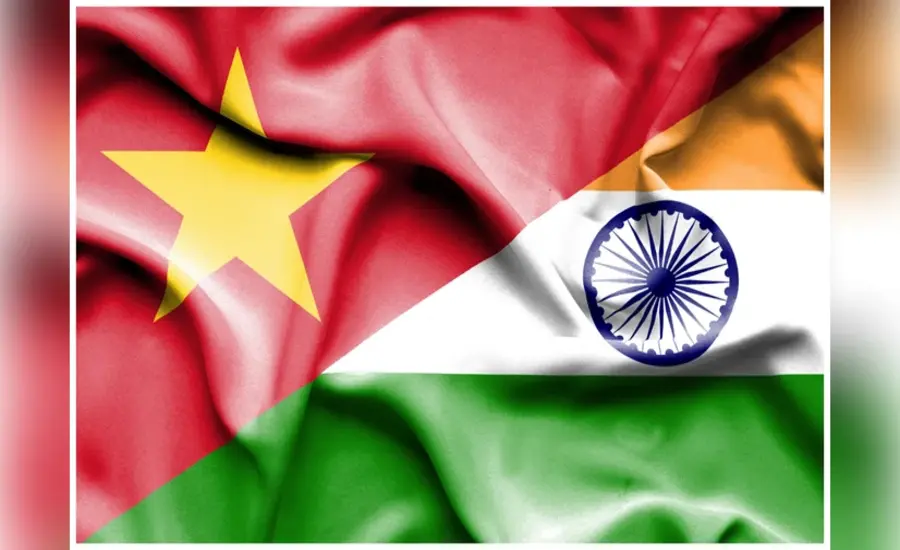
New Delhi: India-Vietnam Friendship Year 2027 was announced as both countries agreed to celebrate 2027 as the “Year of India-Vietnam Friendship” to mark 55 years of diplomatic relations. The decision was taken during the 19th Joint Commission Meeting held in New Delhi between External Affairs Minister Dr. S. Jaishankar and Vietnam’s Foreign Minister Bui Thanh Son.
The move reflects the growing strength of the India-Vietnam relationship and their commitment to deeper cooperation across defence, trade, technology, connectivity, and people-to-people exchanges.
Details of India-Vietnam Friendship Year 2027
India and Vietnam have decided to designate 2027 as the “Year of India-Vietnam Friendship.”
Read also: India-Vietnam Talks At BRICS Signal Bigger Role In Indo-Pacific Security Architecture
The celebration will commemorate the 55th anniversary of diplomatic relations between the two countries and highlight decades of growing cooperation.
The announcement was made during the 19th Joint Commission Meeting on Trade, Economic, Scientific and Technological Cooperation held in New Delhi. The meeting was co-chaired by India’s External Affairs Minister Dr. S. Jaishankar and Vietnam’s Foreign Minister Le Hoai Trung.
19th Joint Commission Meeting Reviews Strategic Partnership
The Joint Commission Meeting reviewed the full spectrum of bilateral cooperation under the India-Vietnam Enhanced Comprehensive Strategic Partnership. Both sides described the discussions as productive, forward-looking, and focused on delivering practical outcomes.
Officials examined progress across defence, security, trade, investment, science, technology, education, culture, and regional cooperation. The meeting also identified new areas where both countries can work more closely in the coming years.
India-Vietnam Friendship Year 2027: Defence Cooperation Remains A Key Pillar
Defence and security cooperation remained one of the most important topics discussed during the meeting.
India and Vietnam explored ways to deepen military collaboration and strengthen defence-industrial cooperation. Both sides discussed expanding cooperation in defence manufacturing and co-production initiatives.
The growing defence partnership reflects mutual trust and a shared commitment to maintaining peace and stability in the Indo-Pacific region.
Trade And Economic Cooperation Set For Expansion
Economic cooperation was another major focus of the meeting. India and Vietnam discussed ways to increase bilateral trade, attract investments, and strengthen resilient supply chains.
Vietnam agreed to address market access issues affecting Indian pharmaceutical products, agricultural goods, and marine exports. Both countries also explored opportunities to improve financial connectivity, logistics networks, and port cooperation.
Cooperation In Emerging Sectors
India and Vietnam are looking beyond traditional sectors to expand collaboration. Discussions included cooperation in space technology, digital transformation, innovation, and nuclear energy.
Both countries believe these sectors can create new opportunities for long-term economic growth and technological advancement.
Cultural And People-To-People Ties Continue To Grow
The two sides highlighted the growing cultural connections between their people. Yoga has become increasingly popular in Vietnam, while interest in Vietnamese culture continues to grow in India.
Both countries also discussed maritime cooperation, standards for seafarers, and stronger cultural exchanges. Officials noted that people-to-people ties remain an important foundation of the bilateral relationship.
India-Vietnam Friendship Year 2027: Shared Vision For The Indo-Pacific
India welcomed Vietnam’s active participation in the Indo-Pacific Oceans Initiative. The two countries reiterated their support for a free, open, inclusive, and rules-based Indo-Pacific region.
Vietnam’s role in ASEAN and India’s Act East Policy were also highlighted during discussions. Both sides agreed that closer coordination in regional forums would benefit peace, stability, and economic development.
BRICS Summit Adds Momentum To Bilateral Relations
Vietnamese Foreign Minister Le Hoai Trung visited India while attending the 18th BRICS Summit under India’s chairship.
During the visit, he met Prime Minister Narendra Modi and praised India’s leadership of the summit. Vietnam appreciated India’s efforts in building consensus among member countries and advancing constructive global cooperation. The leaders agreed that high-level engagements have given fresh momentum to bilateral relations.
India-Vietnam Friendship Year 2027: High-Level Visits Strengthen Diplomatic Ties
External Affairs Minister Dr. Jaishankar noted that India-Vietnam relations have progressed significantly since the last Joint Commission Meeting. He highlighted the importance of recent high-level exchanges, including visits by senior leaders from both countries.
The minister emphasized that these engagements have helped elevate bilateral cooperation and create new opportunities for partnership. Prime Minister Narendra Modi also met Vietnamese Prime Minister Le Minh Hung on the sidelines of the BRICS Summit and reviewed progress across various sectors.
Why India-Vietnam Relations Matter
Vietnam is one of India’s most important partners in Southeast Asia. The country plays a central role in India’s Act East Policy and serves as a key strategic partner in the Indo-Pacific.
The relationship is built on shared interests, mutual trust, civilizational links, and a common commitment to regional stability. As both countries continue to deepen cooperation, the India-Vietnam partnership is expected to become even stronger in the coming years.
FAQs
The meeting covered defence cooperation, trade, investment, technology, cultural exchanges, regional security, supply chains, and Indo-Pacific cooperation.
India and Vietnam will celebrate Friendship Year 2027 to commemorate the 55th anniversary of diplomatic relations between the two countries.
Vietnam is a key strategic partner in Southeast Asia and plays an important role in advancing India’s Act East Policy and Indo-Pacific vision.