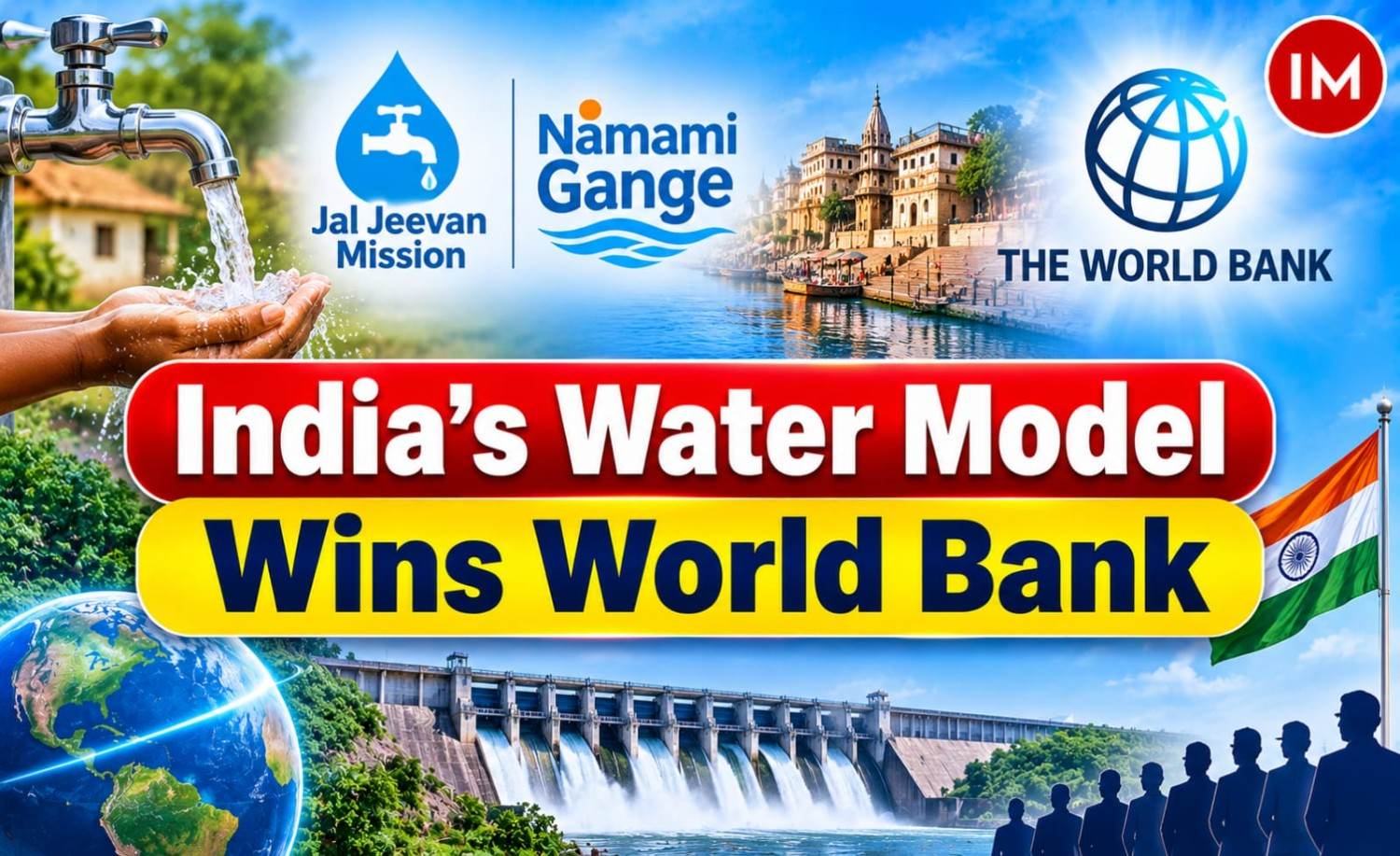
United Nations: India’s efforts to expand drinking water access, improve river health and strengthen dam safety are emerging as examples for developing countries, according to a senior World Bank official who has described the country’s water management journey as a remarkable success story.
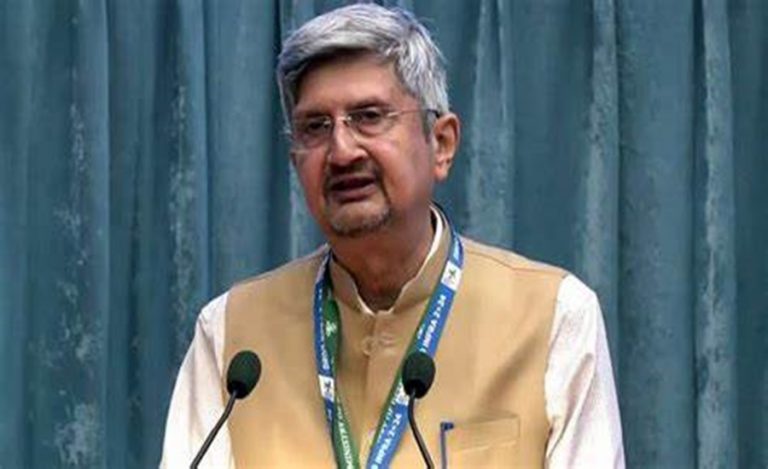
Saroj Kumar Jha, Global Director for Water at the World Bank Group, said several countries, particularly in the Global South, were looking at India’s experience to understand how large-scale water and sanitation programmes could be implemented.
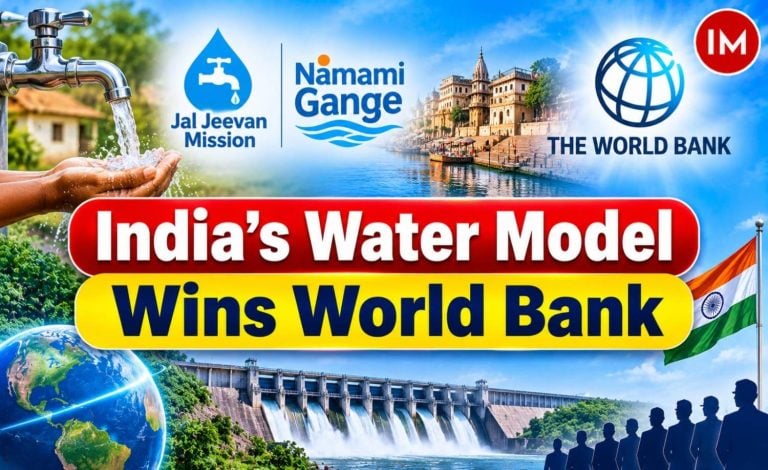
Speaking during a virtual press briefing ahead of the 2026 United Nations Water Conference, Jha highlighted initiatives including the Jal Jeevan Mission, Namami Gange Programme and Swachh Bharat Mission as practical approaches that other nations could adapt.
He also acknowledged that India continued to face water-related challenges and had further work to do, despite the progress achieved at both central and state levels.
Jal Jeevan Mission’s Scale Draws Global Attention
Jha singled out the Jal Jeevan Mission for its expansion of access to improved drinking water, describing the programme’s reported reach of 800 million people in less than seven years as remarkable.
Read Also: GRSE CMD PR Hari Highlights Water Conservation and Sustainable Management at Jal Sevak Samman 2026
Launched in August 2019, the mission aims to provide functional household tap connections to rural homes across India. Its implementation involves the Centre and state governments, with an emphasis on regular and reliable drinking water supply.
According to the Ministry of Jal Shakti, approximately 15.89 crore rural households had tap water connections as of July 18, 2026, representing around 82.09% of the country’s 19.36 crore rural households. At the mission’s launch, the corresponding figure was approximately 3.23 crore households.
Jha said the programme was continuing to evolve, with increasing attention to sustainability, operation and maintenance of water supply systems.
He identified strong government leadership, adequate financing and public participation as important elements of the model that other developing countries could study.
India’s Sanitation Model Influences Other Countries
The World Bank official also pointed to the international influence of India’s sanitation initiatives.
He cited Nigeria’s Clean Nigeria campaign as an example of a programme influenced by India’s Swachh Bharat Mission.
According to Jha, India’s experience was already informing initiatives in other countries, particularly those seeking to improve sanitation and drinking water access through public participation and government-led implementation.
The experience, he suggested, offered developing nations practical lessons on designing and implementing large-scale public programmes.
Namami Gange Recognised for River Restoration
India’s Namami Gange Programme was another major initiative highlighted during the briefing.
Jha described the programme as successful in reducing pollution in the Ganga and improving the river’s overall health. He also acknowledged the World Bank’s support for the National Mission for Clean Ganga through different financing instruments.
“Rivers are not just rivers; they are part of our civilization, part of the human system. People depend on these rivers for their livelihood,” Jha said.
The programme focuses on reducing pollution, improving sewage treatment infrastructure and supporting the conservation and rejuvenation of the Ganga river system.
World Bank Support Helps Strengthen Nearly 900 Dams
Jha also highlighted India’s efforts to improve dam safety and infrastructure resilience.
He said World Bank financing had helped the country improve the resilience of nearly 900 dams. India has also established centres of excellence to strengthen technical expertise in dam safety.
These efforts are significant for water infrastructure management, particularly in a country where dams support irrigation, water supply and other essential needs.
India Encouraged to Share Its Experience at UN Water Conference
Jha said he had encouraged Indian government officials to use the upcoming United Nations Water Conference as an opportunity to share the country’s experiences with other nations.
The conference will be held in Abu Dhabi from December 8 to 10, 2026, and will be co-hosted by the United Arab Emirates and Senegal.
It will bring together governments, international organisations, policymakers, financial institutions and other stakeholders to accelerate progress on Sustainable Development Goal 6, which focuses on ensuring the availability and sustainable management of water and sanitation for all.
Key areas of discussion will include:
- Universal access to safe drinking water and sanitation.
- Sustainable management of freshwater resources.
- Protection and restoration of water-related ecosystems.
- Financing for water infrastructure and services.
- Technology, innovation and international cooperation.
Jha said India’s experience could help other developing countries move from policy commitments to practical implementation.
India’s Water Management Experience Gains International Recognition
The World Bank’s assessment highlights the growing international interest in India’s approach to water management, particularly its combination of public investment, government leadership and community participation.
From expanding rural household tap connections to river restoration and dam safety improvements, the initiatives cited by Jha cover several dimensions of the country’s water sector.
However, he also recognised that India still has considerable work ahead. The challenge will be to sustain the progress already achieved while ensuring reliable services, effective infrastructure maintenance and long-term water security.
The December conference in Abu Dhabi is expected to provide an international platform for India to share its experience and discuss approaches that could be adapted by other developing nations.
Read Also: Jharkhand Reviews Jal Jeevan Mission Plans, Focuses on Rural Water Supply Operations