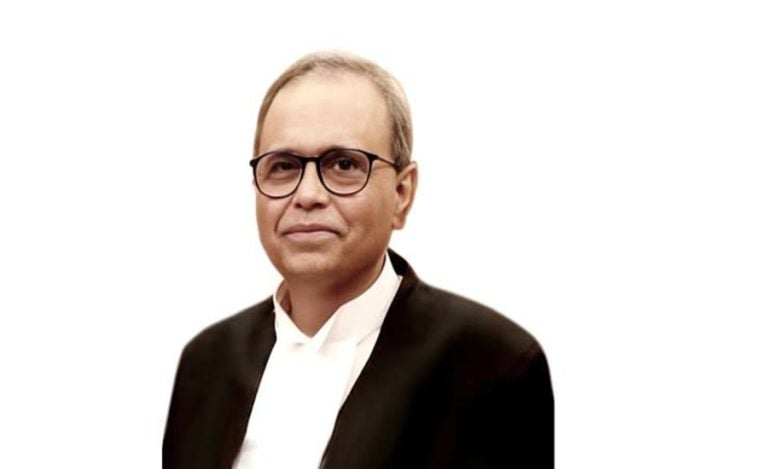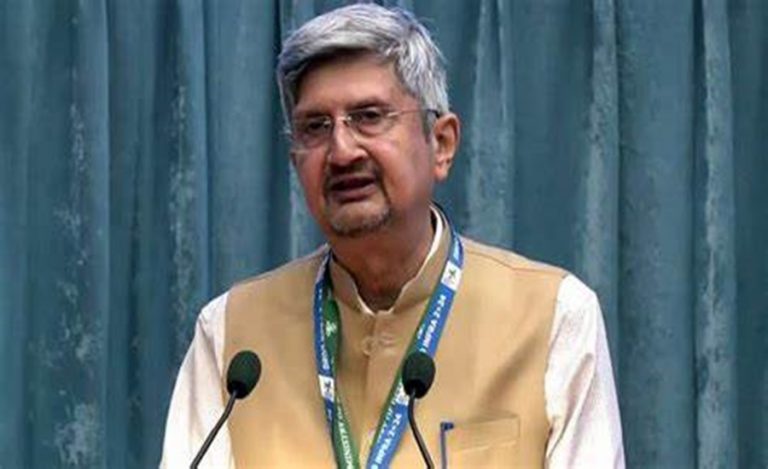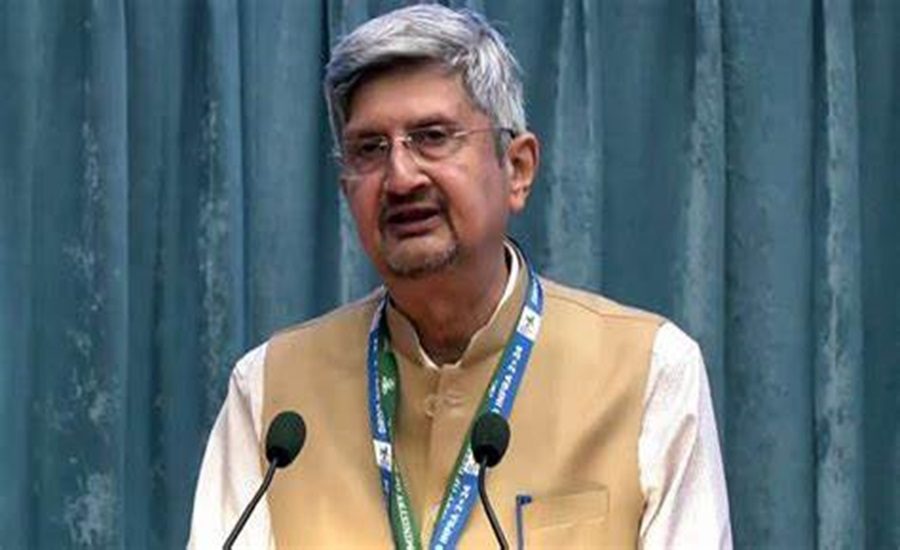
New Delhi: India is looking to strengthen its fighter aircraft engine technology by building on the experience gained from the Kaveri engine programme. Former DRDO Chairman Dr Samir V. Kamat has suggested that India should partner with an experienced foreign manufacturer to develop the engine for the Advanced Medium Combat Aircraft (AMCA) Mk2.
He believes that combining India’s existing aerospace technology with foreign expertise could reduce development risks, save time and help the country achieve long-term self-reliance in advanced military engines.
Why India Needs Foreign Expertise For The AMCA Mk2 Engine
Developing a modern fighter aircraft engine is one of the most difficult challenges in the defence industry.
According to Dr Kamat, developing a completely new fighter jet engine from scratch could take around 10–15 years and require an investment of approximately ₹50,000 crore.
Therefore, he supports an international co-development partnership in which India and a foreign manufacturer work together as equal partners.
Such an arrangement could help India access advanced engineering knowledge while developing its own capabilities in critical engine technologies. However, the objective should not be limited to manufacturing a foreign-designed engine in India. India must also gain the ability to design, modify and upgrade the engine independently.
Kaveri Engine Programme: Why India’s Previous Efforts Still Matter
The Kaveri engine programme, developed by the DRDO’s Gas Turbine Research Establishment (GTRE), has played an important role in building India’s military aero-engine expertise.
Although the original Kaveri engine did not become the powerplant for the Tejas fighter aircraft, the programme helped Indian scientists and engineers gain valuable experience in gas turbine technology.
Dr Kamat highlighted that the programme has helped India reach Technology Readiness Level (TRL) 4–5 in aero-engine development.
This experience could give India a stronger position in future international engine development partnerships.
In simple words, India would not be starting from zero. It already has a technological foundation that can be improved through collaboration and further research.
Kaveri Engine Technology: Intellectual Property Will Be Critical For India’s Self-Reliance
One of the most important points raised by the former DRDO chief is the ownership of Intellectual Property (IP).
Simply assembling or manufacturing a foreign-designed engine in India does not guarantee complete technological independence.
If India does not have access to important design technologies and intellectual property, it may continue depending on foreign companies for major upgrades, modifications and future improvements.
Therefore, any partnership for the AMCA Mk2 engine should focus on sharing critical technologies and securing meaningful Indian participation in the development process.
This would allow Indian organisations to build on the technology and develop more advanced engines in the future.
AMCA Mk2 Will Need A More Powerful Indigenous Engine
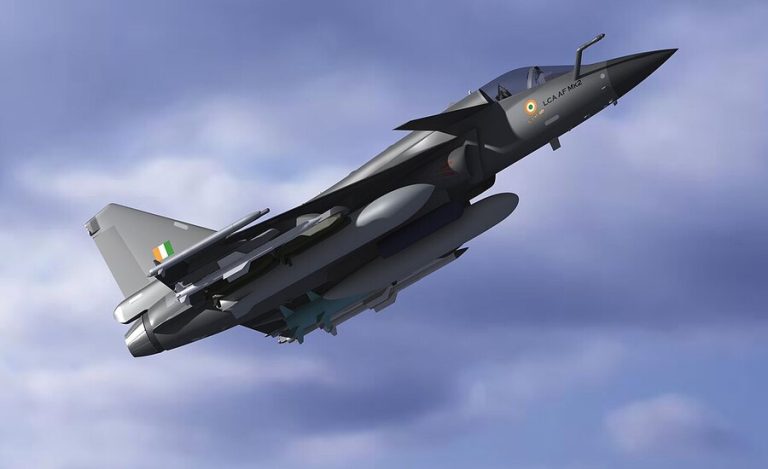
The Advanced Medium Combat Aircraft is India’s planned fifth-generation stealth fighter aircraft.
Its initial production versions are expected to use the American GE F414 engine. However, the future AMCA Mk2 is expected to require a more powerful and customised engine to meet its advanced performance requirements.
Developing such an engine will be important for India’s long-term fighter aircraft development plans.
The programme could also help India reduce its dependence on imported propulsion systems for future combat aircraft.
India’s Aero-Engine Development Is Already Receiving Government Attention
The Indian government has also highlighted the importance of developing advanced indigenous aero-engine technology.
On February 16, 2026, Defence Minister Rajnath Singh visited DRDO’s Gas Turbine Research Establishment (GTRE) in Bengaluru to review ongoing military gas turbine engine development projects.
During the visit, he witnessed an afterburner test of the Kaveri engine and reviewed the technologies developed under the programme.
The Ministry of Defence also highlighted the importance of accelerating research into next-generation aero-engine technologies.
This shows that indigenous engine development remains an important part of India’s defence modernisation strategy.
FAQs
The Kaveri engine is an indigenous military jet engine developed by DRDO’s Gas Turbine Research Establishment (GTRE). Although it did not power the Tejas fighter, it helped India develop important gas turbine engineering capabilities.
The AMCA Mk2 is expected to use a more powerful, customised engine developed through an indigenous development programme, potentially involving international collaboration. Its final engine configuration has not yet been confirmed.
Foreign collaboration could provide access to advanced engine technologies, reduce development risks and accelerate progress. However, India must secure meaningful technology access and intellectual property rights to achieve long-term self-reliance.