17 October 2026
ADVERTISEMENT
ADVERTISEMENT

ISRO ₹1,500 Crore Venus Mission: How Shukrayaan-1 Will Unlock the Secrets of Earth’s Mysterious Twin Planet

India is planning its first Venus mission, Shukrayaan-1, with a budget of about ₹1,500 crore. The ISRO Venus mission will study the planet’s atmosphere, climate, and geological evolution to understand how it differs from Earth.
Assam ISRO Advanced Radar Research Facility
Indian Masterminds Stories

New Delhi: India is preparing for a major step in deep-space exploration with the ISRO Venus mission, an ambitious project expected to cost around ₹1,500 crore. The mission, widely known as Shukrayaan-1 or the Venus Orbiter Mission, aims to study the planet Venus, its atmosphere, and its possible historical link with Earth.

Officials from the Indian Space Research Organisation (ISRO) confirmed that early work on the project has already begun.

The mission will help scientists understand how Venus evolved and how its environment may have influenced Earth over millions of years. It also reflects India’s growing commitment to planetary exploration and advanced space science.

Details of ISRO Venus Mission

India has earmarked approximately ₹1,500 crore for its first mission to Venus, highlighting the government’s push to expand planetary research.

According to ISRO officials, the funding has been allocated by the Ministry of Atomic Energy and Space Research, and teams have already started preliminary work on the project.

Read also: Big Boost for Gaganyaan: ISRO Sets Up Orbital Module Facility at Sriharikota Ahead of India’s First Crewed Launch

The mission will send a spacecraft to orbit Venus and collect scientific data about the planet’s atmosphere, surface conditions, and chemical composition. Scientists hope the mission will provide clues about how Venus evolved so differently from Earth despite being considered Earth’s “sister planet.”

Why Studying Venus Is Important

Venus is one of the most mysterious planets in our solar system. Scientists believe it may once have had conditions similar to Earth before becoming extremely hot and hostile.

Key features of Venus include:

  • A very dense atmosphere dominated by carbon dioxide.
  • Clouds of sulphuric acid covering the planet.
  • Extremely high surface temperatures due to the runaway greenhouse effect.
  • A unique rotation pattern where one day on Venus lasts about 243 Earth days.

By studying these conditions, scientists can better understand planetary climate change and the long-term evolution of Earth-like planets.

The Mission: Shukrayaan-1 (Venus Orbiter Mission)

India’s upcoming Venus mission is officially called the Venus Orbiter Mission (VOM), also popularly referred to as Shukrayaan-1.

Key details of the mission include:

  • Launch vehicle: LVM-3 rocket
  • Planned launch: Around March 2028
  • Mission duration: About four to five years in Venus orbit
  • Objective: Study Venus’s atmosphere, surface, clouds, ionosphere, and interaction with solar wind.

The spacecraft will carry multiple scientific instruments developed by Indian and international research teams to study geological features, atmospheric processes, and the planet’s climate system.

Strong Collaboration with Indian Industry

The mission is expected to involve significant participation from Indian industries and private space companies.

ISRO plans to collaborate with private partners for spacecraft components, technologies, and data processing systems. This approach aligns with India’s growing space ecosystem that encourages startups, research institutions, and industry participation in major space missions.

The project is also expected to create new jobs, skill development opportunities, and technological innovation in the Indian space sector.

Building on India’s Past Space Success

India’s space program has gained global recognition in recent years with several successful missions.

Some major milestones include:

  • Chandrayaan-3 becoming the first mission to land near the Moon’s south pole.
  • Mars Orbiter Mission (Mangalyaan) demonstrating India’s interplanetary capability.
  • Aditya-L1, India’s first mission to study the Sun.

The Venus mission will be another major step in India’s journey toward deep-space exploration and planetary science leadership.
Read also: From Moon to Venus: ISRO’s Roadmap for Interplanetary Human Spaceflight Marks India’s Biggest Leap into Deep Space


Indian Masterminds Stories
Join our WhatsApp Channel
ADVERTISEMENT
ADVERTISEMENT
Related Stories
ADVERTISEMENT
ADVERTISEMENT
NEWS
Project Seabird Phase IIA
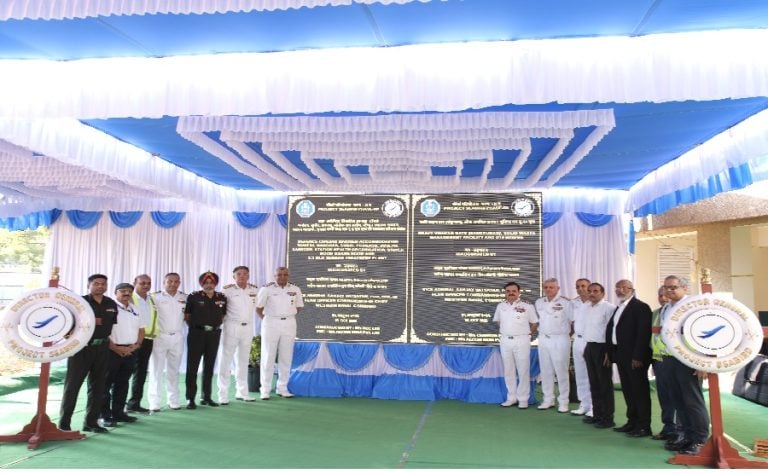
Project Seabird Phase IIA: Vice Admiral Sanjay Vatsayan Inaugurates Key Naval Infrastructure at Karwar
pnb
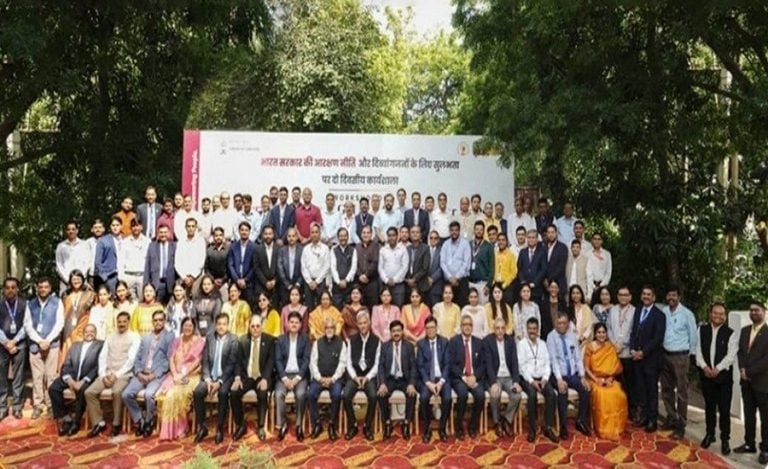
PNB Hosts DFS National Workshop on Reservation Policy Implementation and PwD Accessibility
SAIL Rourkela Steel Plant Gold Awards
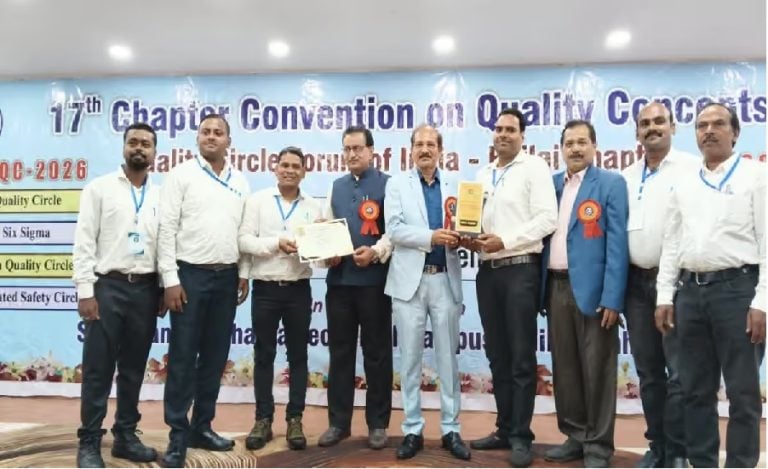
SAIL Rourkela Steel Plant Wins Four Gold Awards at CCQC 2026, Highlights Quality and Safety 
BEL TechConnect Initiative
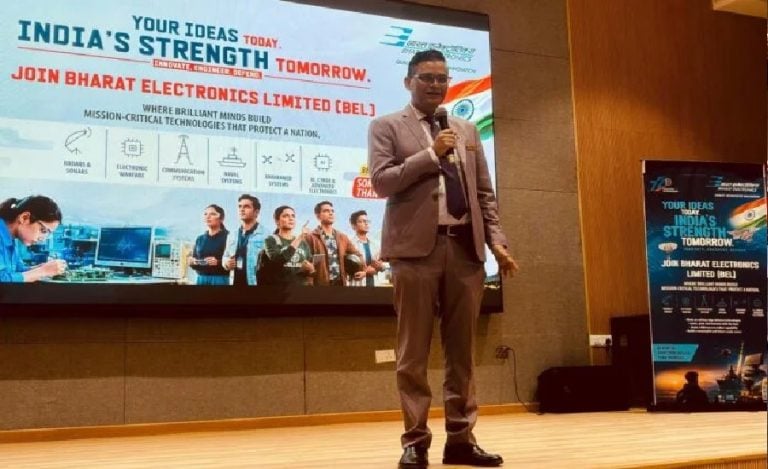
BEL TechConnect Engages MNIT Jaipur, NITK Surathkal to Inspire Young Engineers in Defence Technology
pfc
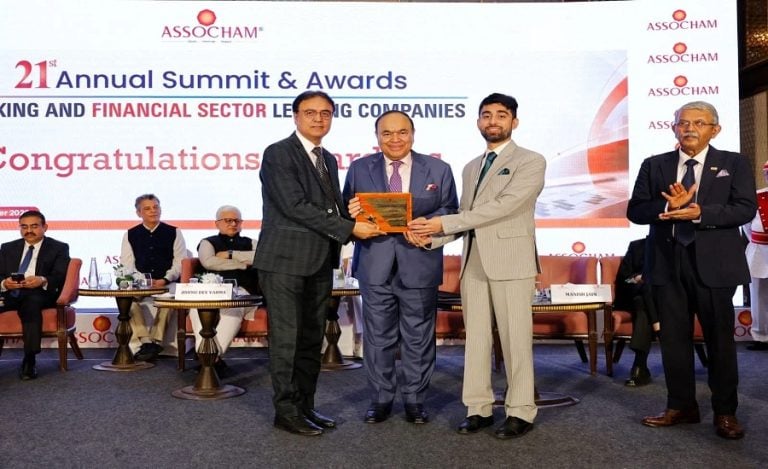
PFC Wins Gold Award at ASSOCHAM 21st Annual Summit for Overall Performance in Infrastructure Finance 
NMDC Vigilance Portal
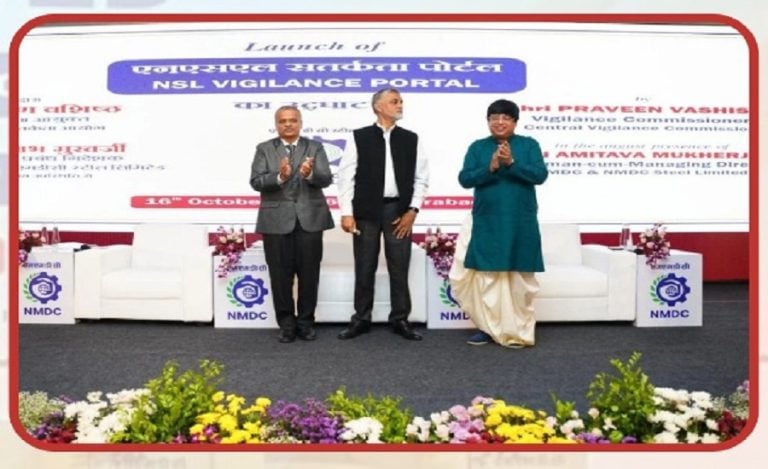
NMDC Launches NSL Vigilance Portal, Quarter Management System; Releases Vigilance Manual 2026
DFCCIL logo
DFCCIL MD Selection: PESB Recommends No Candidate, Ministry to Decide Next Steps 
RailTel SD-WAN Order
RailTel Bags ₹18.99 Crore Order from Health Insurance TPA of India for IT and Cybersecurity Solutions 
ADVERTISEMENT
ADVERTISEMENT
Videos
Dr Saket Badola IFS
Beyond Tigers and Safaris: How Corbett Literature Festival Wants to Change the Conservation Conversation
PK Jena
Why Technology Cannot Replace Human Connection in Governance: P.K. Jena
PK Jena
The IAS Officer Who Put People Before Paperwork: How PK Jena Challenged Corruption and Reformed Governance
ADVERTISEMENT
UPSC Stories
Umar Janj UPSC CAPF
15+ Failures Couldn’t Stop Him: Umar Janj Secures AIR 160 in UPSC CAPF 2025
After multiple SSB setbacks, a CAPF interview miss by 12 marks and more than 15 failures, Umar Janj secured...
Aayush Sharma
Three CDS Attempts, Five AFCAT Qualifications & Medical Setback: How Aayush Sharma Secured CAPF AIR 135
After three unsuccessful SSB attempts, five AFCAT qualifications and a medical setback, Aayush Sharma...
Tushar Chaudhary IRMS
He Left Intel, Built COPAL-19, Spent Months at AIIMS, Ran Half Marathons, and Returned to UPSC—Tushar Chaudhary’s Journey to IRMS
UPSC ESE AIR 4 Tushar Chaudhary left a ₹25 LPA Intel job, built COPAL-19, spent months at AIIMS, ran...
CSR NEWS
NBCC India CSR Award 2026
NBCC India Wins Award for Excellence in CSR at 4th Fortune Leadership Awards 2026
The recognition honours NBCC’s community welfare initiatives and efforts to improve healthcare accessibility...
HURL ALIMCO
HURL Signs MoU with ALIMCO to Support Divyangjans and Senior Citizens in Gorakhpur, Barauni and Sindri
Under its CSR initiative, HURL will support PMD-VK Gorakhpur and facilitate the distribution of need-based...
MDL CSR Support to Divyasha Vayoshri Kendra
MDL Extends ₹3.79 Crore CSR Support to Divyasha Vayoshri Kendra in Mumbai
The initiative will strengthen access to assistive devices, prosthetics and rehabilitation services for...
ADVERTISEMENT
ADVERTISEMENT
ADVERTISEMENT
Latest
Project Seabird Phase IIA
Project Seabird Phase IIA: Vice Admiral Sanjay Vatsayan Inaugurates Key Naval Infrastructure at Karwar
Brighu Srinivasan
Brighu Srinivasan: The IPS Officer Leading India’s Elite NSG Force
ADVERTISEMENT
ADVERTISEMENT
ADVERTISEMENT
ADVERTISEMENT
ADVERTISEMENT
ADVERTISEMENT
ADVERTISEMENT
Videos
Dr Saket Badola IFS
PK Jena
PK Jena
ADVERTISEMENT
ADVERTISEMENT