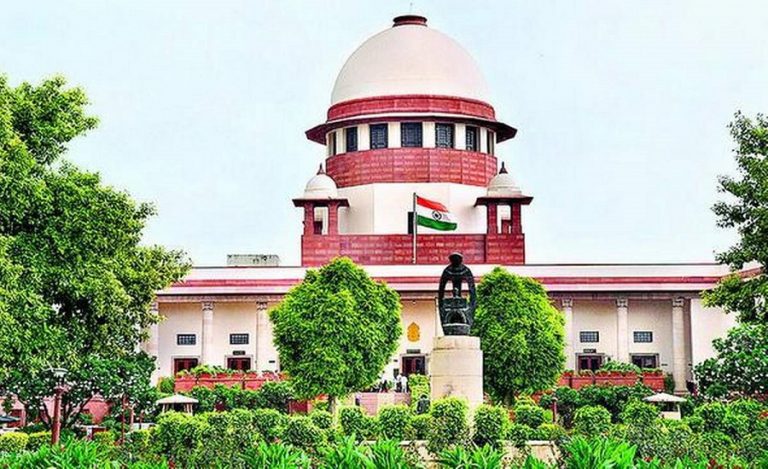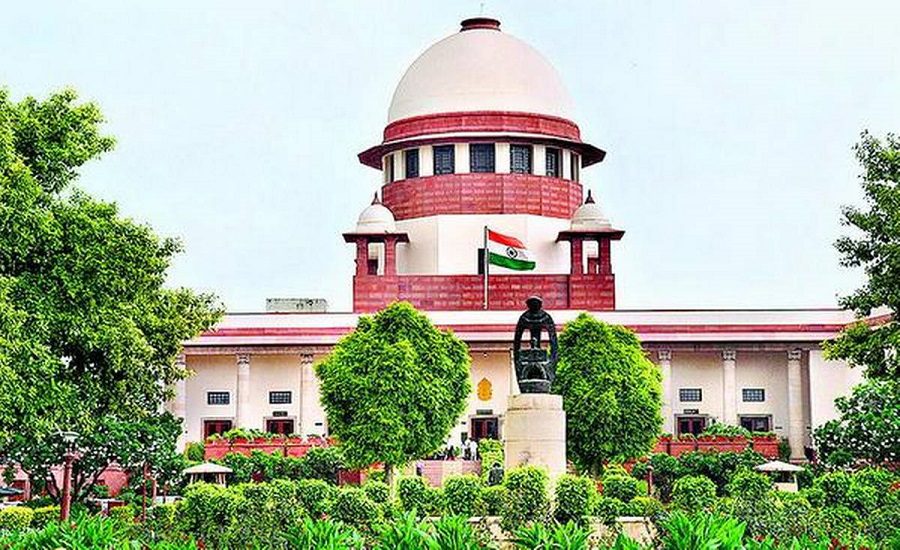
New Delhi: The ISRO workers regularisation Supreme Court case has once again put the spotlight on employment fairness in government organisations.
In a strong observation, they criticised the Union Government for not regularising certain workers despite earlier directions.
The Court stressed that the State must act as a “model employer” and not deny legitimate rights to workers. The remarks highlight ongoing concerns over contractual employment in public sector institutions.
ISRO Workers Regularisation Case: What Did the Supreme Court Say?
The bench expressed clear dissatisfaction with the Centre’s approach.
- The Court said the government should behave like a model employer, ensuring fairness and dignity for workers.
- It questioned why directions issued earlier regarding regularisation were not properly followed.
- The judges indicated that repeated delays weaken trust in public institutions.
The Court’s remarks were firm, signalling that non-compliance with judicial directions will not be tolerated.
Background of the ISRO Workers Regularisation Case
The issue revolves around workers engaged in the under contractual or temporary arrangements.
- These workers have been serving for long durations.
- Earlier court directions had asked authorities to consider their regularisation.
- However, implementation has been slow or incomplete.
This led affected workers to approach the Court again, seeking enforcement of their rights.
What is the Importance of ISRO Workers Regularisation Case
This case is not just about ISRO employees. It has wider implications:
1. Worker Rights in Government Jobs
The ruling highlights how contractual workers in government sectors often face uncertainty despite years of service.
2. Accountability of the State
The Court emphasized that the government must lead by example, especially when it comes to labour practices.
3. Legal Compliance
Failure to follow court orders raises serious constitutional concerns and questions administrative accountability.
ISRO Workers Regularisation Case: Court’s Key Observations
- The State should not exploit temporary employment structures.
- Long-term service should be recognised with fair employment benefits.
- Authorities must comply with judicial orders without unnecessary delay.
The Court clearly indicated that justice delayed in such cases amounts to injustice.
Read also: Big Warning to Bar Associations: Follow 30% Women Rule or Face Suspension, Says Supreme Court