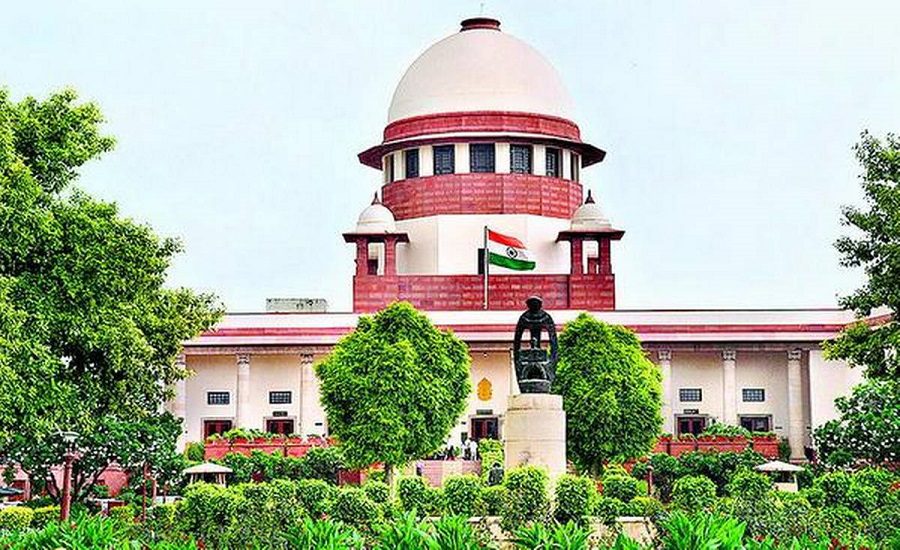
New Delhi: In a major decision, the supreme court upheld that all schools, including private unaided institutions, must admit students allotted under the RTE Act without delay. This ruling strengthens the implementation of free and compulsory education and ensures that children from weaker and disadvantaged sections are not denied their fundamental right to education.
Supreme Court Calls Right to Education Admissions a “National Mission”
The Supreme Court described admissions under the Right to Education Act as a “national mission”, emphasizing that education is not optional but a constitutional obligation.
Read also: No More Endless Queues! Aadhaar Correction Declared a Fundamental Right by Madras HC
A bench led by Justices P.S. Narasimha and Alok Aradhe stated that all neighbourhood schools must strictly follow the law and admit students selected by the government.
The court highlighted that:
- Schools cannot delay or deny admission once a student is allotted.
- The responsibility to provide education lies equally on private institutions.
- Effective implementation is essential for social equality.
25% Reservation Key to Social Equality
Under the Right to Education Act, 25% seats are reserved for children from economically weaker and disadvantaged sections.
The Supreme Court stressed that this provision has the power to transform society and reduce inequality.
According to the court:
- This quota promotes inclusion and equal opportunity.
- It supports the constitutional goal of “equality of status.”
- It ensures access to quality education for underprivileged children.
Denial of Admission Violates Fundamental Rights
The court made it clear that refusing admission under RTE is a direct violation of Article 21A, which guarantees the right to education.
Key observations include:
- Education is a fundamental right, not a privilege.
- Schools cannot override government selection lists.
- Any obstruction weakens the purpose of the law.
This ruling sends a strong message that administrative or financial disputes cannot come at the cost of a child’s future.
Case Background: Private School Appeal Dismissed
The judgment came while hearing a case involving a Lucknow-based private school that refused admission to a student selected under the RTE system.
The Supreme Court:
- Dismissed the school’s appeal.
- Upheld the High Court’s earlier decision.
- Clearly stated that schools must follow government allotment without questioning eligibility.
What This Means for Parents and Students
This decision brings clarity and relief for families applying under RTE:
- Guaranteed Admission: Schools cannot reject selected students.
- Faster Process: No delays allowed after allotment.
- Legal Protection: Parents can challenge denial in court.
- Equal Access: More children will get quality education.
Read also: Is the Right to Vote a Fundamental Right in India? Key Facts, Legal Meaning, and Impact Explained