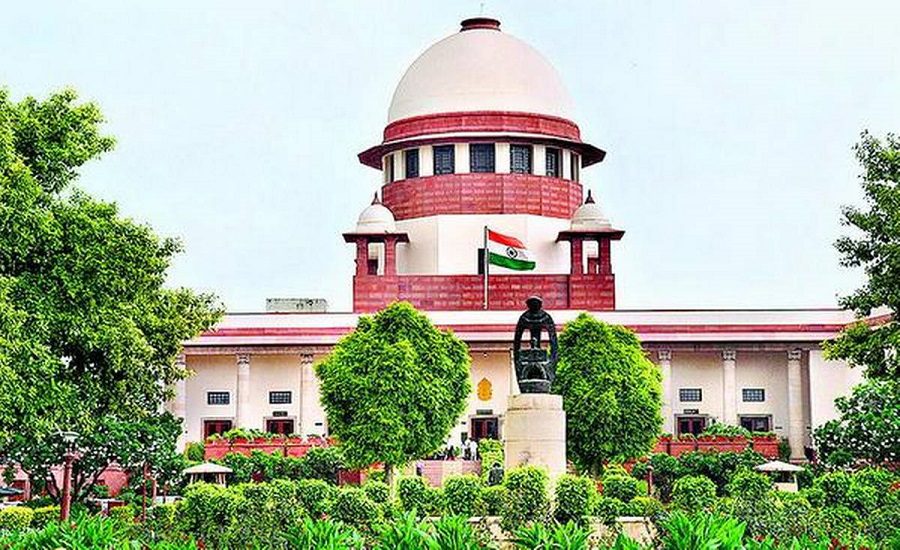
New Delhi: The Supreme Court of India has ordered that the Vice President post of the Supreme Court Bar Association (SCBA) be reserved for women in upcoming elections. This move aims to correct the long-standing underrepresentation of women in leadership roles within bar associations and strengthen their participation in decision-making bodies.
Key Details of the Women Reservation for SCBA Vice President Post
- Vice President post in SCBA now reserved for women
- Decision taken by a Bench led by Chief Justice of India Surya Kant
- Applies to upcoming SCBA executive committee elections
- Part of a broader judicial push for gender inclusion
Read also: District Judge Appointments: Supreme Court Lays Down Key Guidelines on Reinstatement and Seniority
The ruling came while the Court was reviewing electoral reforms within the SCBA, signaling a continued commitment to structural change.
Background of Women Reservation for SCBA Vice President Post
The latest directive is not an isolated decision but part of a broader reform strategy:
- 2024: At least one-third (30%) of SCBA executive posts reserved for women
- 2025: Secretary post in SCBA reserved for women
- 2026: Vice President post now added to reserved positions
The Court has steadily built a framework to ensure women’s participation in leadership roles rather than symbolic representation.
Nationwide Impact: Warning to All Bar Associations
The Supreme Court has extended its stance beyond SCBA:
- All bar associations must ensure minimum 30% representation of women
- Non-compliance may lead to suspension and fresh elections
- Reinforced through a March 13, 2026 order
A Bench including Justices Joymalya Bagchi and Vipul M Pancholi emphasized strict implementation across India.
Why Does India Need This Judicial Reform
Despite an increasing number of women entering the legal profession, leadership roles remain male-dominated. The Court acknowledged key structural barriers:
- Limited access to professional networks
- Institutional biases in elections
- Lack of mentorship opportunities
By reserving leadership posts, the judiciary aims to create real participation opportunities, not just formal equality.
Constitutional Perspective
The Court’s decision aligns with:
- Article 14 – Equality before law
- Article 15 – Prohibition of discrimination
Even though bar associations are autonomous, the Court emphasized that they must function in line with constitutional values, especially in institutions linked to justice delivery.
A Model for Institutional Reform Across India
The SCBA model could influence:
- High Courts’ bar associations
- District-level bar bodies
- Other professional institutions
By operationalizing a 30% reservation norm, the judiciary is creating a replicable framework for gender inclusion.