New Delhi: NTPC Limited Chairman and Managing Director Gurdeep Singh has stressed that India should avoid overdependence on any single country or supplier for nuclear technology as the nation moves toward its ambitious target of 100 GW nuclear power capacity by 2047.
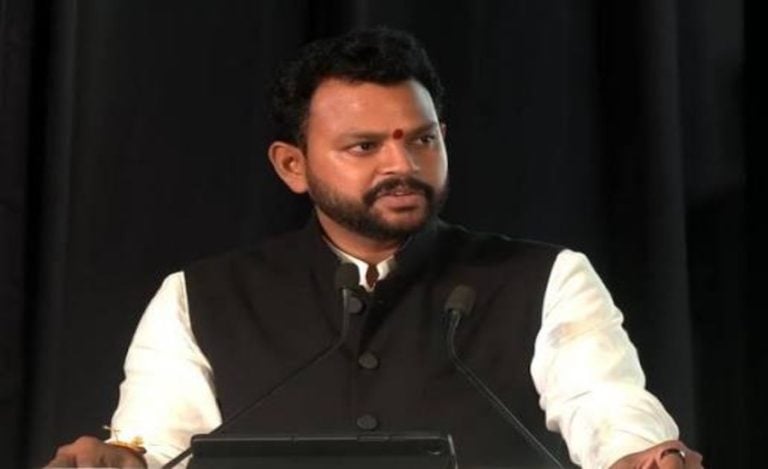
Speaking at a workshop on the “SHANTI Act, 2025” organized by the Central Electricity Authority (CEA), Singh said India must prioritize domestic control over nuclear technology, resources, and supply chains, even if local solutions are initially 5–10% more expensive.
India’s Nuclear Ambition Under SHANTI Act 2025
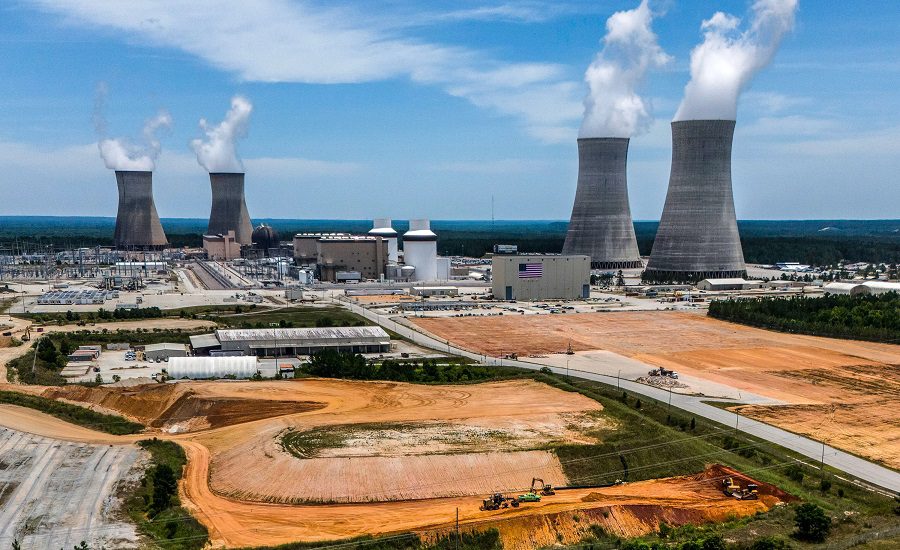
India is planning a major expansion of its nuclear energy sector under the Viksit Bharat vision, with the target of increasing nuclear power generation capacity to 100 GW by 2047.
Currently, India’s nuclear capacity stands at approximately 8.78 GW and is expected to rise to around 22 GW by 2031-32 through projects already under implementation.
The SHANTI Act, 2025 is considered a major policy reform in India’s civil nuclear sector. The law replaces older frameworks and opens the sector to:
- Indian private companies
- Joint ventures between government and private entities
- Investment in nuclear plant construction and operation
- Expanded participation in nuclear fuel handling and infrastructure
The legislation is aimed at strengthening India’s long-term energy security and supporting net-zero emission goals.
NTPC Targets 30 GW Nuclear Capacity by 2047
NTPC Limited has positioned itself as a major player in India’s nuclear transition.
According to Gurdeep Singh:
- NTPC plans to develop 30 GW of nuclear capacity by 2047
- The company is exploring project sites across 14 states
- Long-term fuel security and technology partnerships remain critical priorities
Reports indicate that the planned investment for NTPC’s nuclear expansion could exceed $62 billion over the next two decades.
Large Reactors Preferred Over Small Modular Reactors
Singh said that for a large utility like NTPC, the focus should remain on large-capacity nuclear reactors instead of Small Modular Reactors (SMRs).
While SMRs have gained global attention, he noted that:
- SMRs may be better suited for captive industrial applications
- High standby costs remain a concern for large-scale utility operations
- Large reactors are more practical for grid-scale electricity generation in India
The comments reflect NTPC’s long-term strategy for stable and large-scale energy generation.
Importance of Long-Term Fuel Security
A key concern highlighted during the workshop was nuclear fuel security.
Singh emphasized that nuclear plants operate for more than 60 years, making uninterrupted fuel supply essential for the sustainability of India’s nuclear program.
Industry experts at the event also stressed:
- Diversification of fuel supply sources
- Long-term procurement agreements
- International technology collaborations
- Strong regulatory and financial frameworks
Officials said these measures would be necessary to support rapid expansion in nuclear capacity.
Repurposing Old Thermal Plant Sites for Nuclear Projects
Another important proposal from NTPC was the repurposing of retiring thermal power plant sites for future nuclear projects.
According to Singh, this approach could help:
- Utilize existing infrastructure and transmission networks
- Reduce land acquisition challenges
- Accelerate project implementation timelines
- Support India’s energy transition goals
The strategy aligns with India’s broader shift from fossil fuels toward cleaner energy sources.
Private Sector and Global Interest Growing
India’s opening of the nuclear sector has reportedly attracted interest from major Indian business groups, including:
- Tata Power
- Reliance Industries
- Vedanta
- Adani Power
Potential international technology partners may include companies from France and the United States.
Experts believe public-private partnerships will play a crucial role in achieving India’s 100 GW nuclear target.
Public Awareness and Nuclear Safety Key for Expansion
Industry leaders at the workshop also highlighted the importance of public outreach and awareness regarding nuclear safety.
Officials said building public trust through transparent communication and strong safety standards would be essential for expanding nuclear projects across the country.
About NTPC Limited
NTPC Limited is India’s largest power utility company and a Maharatna PSU under the Government of India. It plays a key role in electricity generation across the country through its large network of coal, gas, and renewable energy projects, ensuring reliable power supply for industrial and domestic needs.